
Short Excerpt
- The best suitcase is the one that fits your airline rules, trip length, packing habits, and the surfaces you expect to cross.
- Carry-ons work well for lighter trips, while checked luggage gives you more room for longer stays, bulky clothing, or extra shoes.
- Look beyond size by comparing empty weight, shell material, wheels, handles, organization, and expansion before buying.
Quick Take
- Check your airline’s exact baggage dimensions before choosing a suitcase, especially for international flights.
- Pick hard-shell luggage when protection is the priority and soft-sided luggage when flexibility and exterior pockets are more useful.
- Four-wheel spinners are easier through smooth airports, while two-wheel rollers can handle rough pavement more confidently.
- Remember that expansion adds packing space but can also push a bag beyond an airline’s size or weight limits.
- Buy a luggage set only when you will genuinely use several bag sizes rather than assuming a set automatically offers better value.
Choose The Right Suitcase By Starting With How You Actually Travel
The right suitcase is not simply the largest bag you can afford or the one with the most compartments.
Start with the trips you take most often, because a traveler who usually spends three nights away has very different luggage needs from someone regularly taking two-week international vacations.
Airline restrictions deserve attention before style, especially with carry-ons.
American and Delta currently list 22 x 14 x 9 inches as the maximum carry-on dimensions on many flights, including wheels and handles, but requirements can differ by airline, aircraft, fare, and destination.
Trip length comes next, although the number of days should be treated as a starting point rather than a rigid suitcase-size formula.
A compact carry-on may easily handle a week for a light packer, while cold-weather clothing, formal outfits, family gear, or several pairs of shoes can make checked luggage practical much sooner.
Consider how the suitcase will move once you leave the terminal as well.
Spinner wheels make airport floors and hotel corridors easier to navigate, while traditional two-wheel rollers can be more comfortable on sidewalks, cobblestones, and other uneven surfaces.
Material changes the experience too.
Hard-shell luggage gives packed belongings a more rigid exterior, while soft-sided designs typically provide greater flexibility and may include exterior pockets for items you want within reach.
Finally, compare the suitcase’s empty weight, handle comfort, wheel construction, internal organization, expansion system, and overall dimensions before deciding.
Travelpro currently offers carry-on, medium checked, and large checked options designed around common U.S. airline sizing standards, but you should still compare the actual measurements of any suitcase with the rules for the airline you plan to fly.
Follow Airline Rules: Choose Luggage That Avoids Fees & Delays
Before you even think about style or material, it’s important to consider airline luggage regulations.
Most airlines enforce strict rules on the size and weight of both carry-on and checked luggage, and failing to adhere to these can result in significant fees.
Decide Smartly: Carry‑On Convenience vs. Checked Bag Capacity
You first need to decide if you’re traveling light with only a carry-on or if you’ll need to check your bag.
Here’s how the two differ:
- Carry-On Luggage: Most airlines limit carry-on luggage to around 22 x 14 x 9 inches, although this can vary slightly by airline.
You’ll also want to keep your carry-on under the weight limit, which typically ranges between 15-22 pounds.
A good carry-on should fit in the overhead bin and be lightweight but durable.
- Checked Luggage: If you’re planning a longer trip or have bulkier items, you’ll need to check a suitcase.
Most airlines allow checked luggage to be 27 to 32 inches in height, with a weight limit of 50 pounds.
Be careful about packing too much, as exceeding weight limits can incur extra fees.
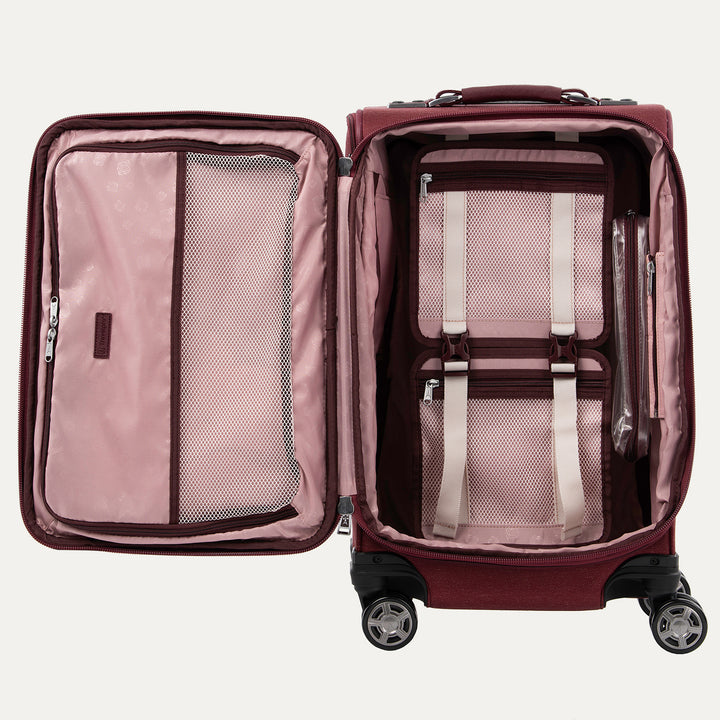
Travelpro’s Platinum® Elite Carry-On is perfect for those looking to maximize space while staying within airline carry-on regulations.
Its sleek design and expandability make it a top choice for frequent travelers.
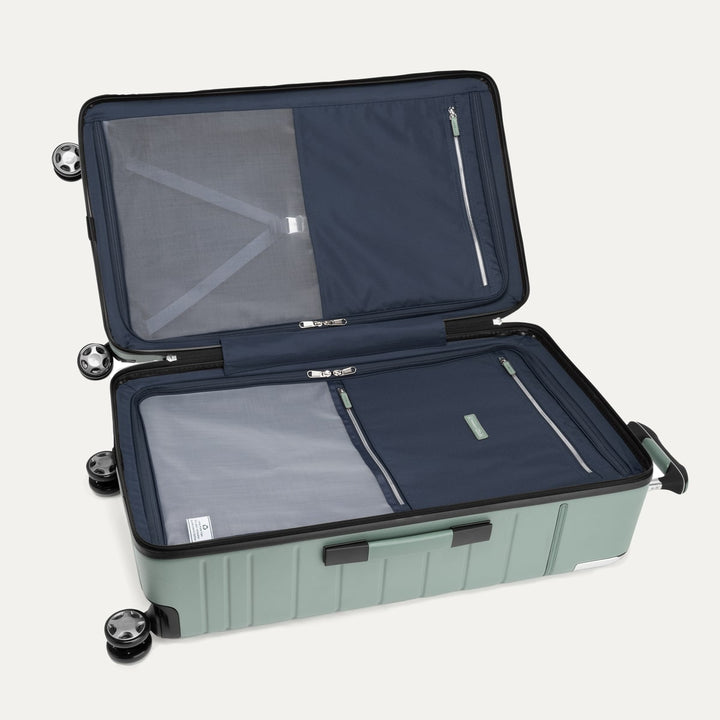
For checked luggage, consider the Travelpro® x Travel + Leisure® Large Check-In Trunk Spinner for longer trips, as it’s lightweight and designed to hold more without tipping over the weight limit.
Match Suitcase Size to Trip Length: Weekend, Weeklong & Extended Travel
The length of your trip will heavily influence the size and type of suitcase you choose.
Packing for a two-day business trip is very different from packing for a two-week vacation.
- 1-3 Days: For short trips, a carry-on should suffice. A 20-22 inch suitcase can easily hold a few outfits, toiletries, and shoes.
The Travelpro Platinum Elite Expandable Spinner Wheel Luggage is a great option for a weekend getaway.
It’s compact, lightweight, and features a dedicated garment bag to keep clothes wrinkle-free.
- 4-7 Days: For trips lasting around a week, a mid-sized suitcase (24-26 inches) is ideal.
This size allows you to pack extra clothing, shoes, and some additional items without feeling cramped.
The Travelpro Crew Versapack 25″ Expandable Spinner offers plenty of space with internal organization that helps keep everything neatly packed.
- 7-14 Days or More: For longer vacations, you’ll want a large suitcase (27-30 inches).
Larger bags give you room for additional clothing, shoes, and accessories, along with souvenirs.
The Travelpro Maxlite 5 29″ Expandable Spinner is a solid choice for those who need plenty of space but still want a suitcase that’s easy to handle.
By aligning your suitcase size with your trip duration, you can ensure that you’re packing efficiently without being burdened by an oversized or under-equipped suitcase.
Choose Suitcase Material: Hard‑Shell Protection vs. Soft‑Sided Flexibility
When choosing between a hard-shell or soft-sided suitcase, you’ll want to consider factors like durability, weight, and flexibility.
Hard-Shell Suitcases
Hard-shell suitcases are made from materials like polycarbonate, ABS, or aluminum.
They offer excellent protection for your belongings and are resistant to scratches and dents.
- Pros: Hard-shell cases offer superior protection for fragile items, are typically waterproof, and can be more secure.
- Cons: They lack flexibility, making it harder to fit into tight spaces or expand, and they can be heavier.
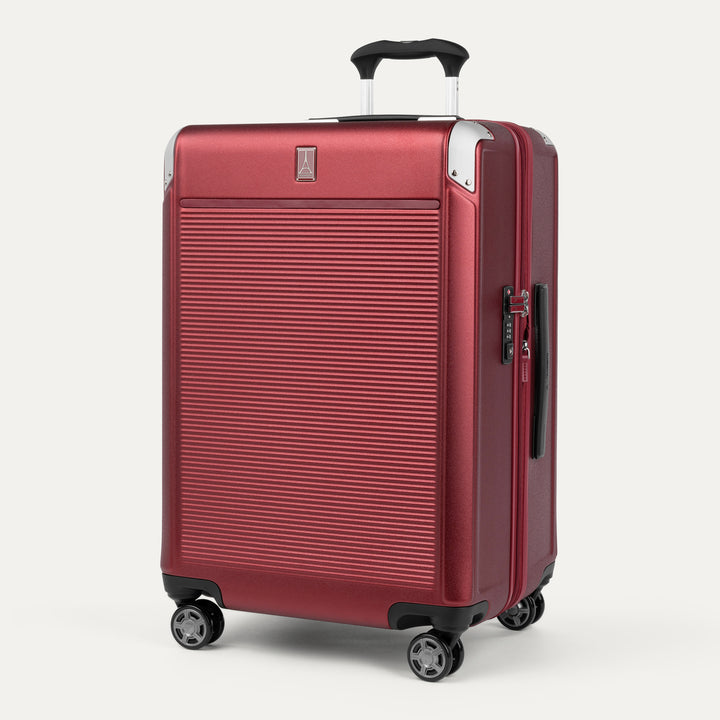
The Platinum® Elite Medium Check-In Hardside Spinner is a top-tier option for those seeking hard-shell protection.
It offers the durability of a hard-shell case while incorporating modern, stylish elements like smooth gliding wheels and a chic exterior design.
Soft-Sided Suitcases
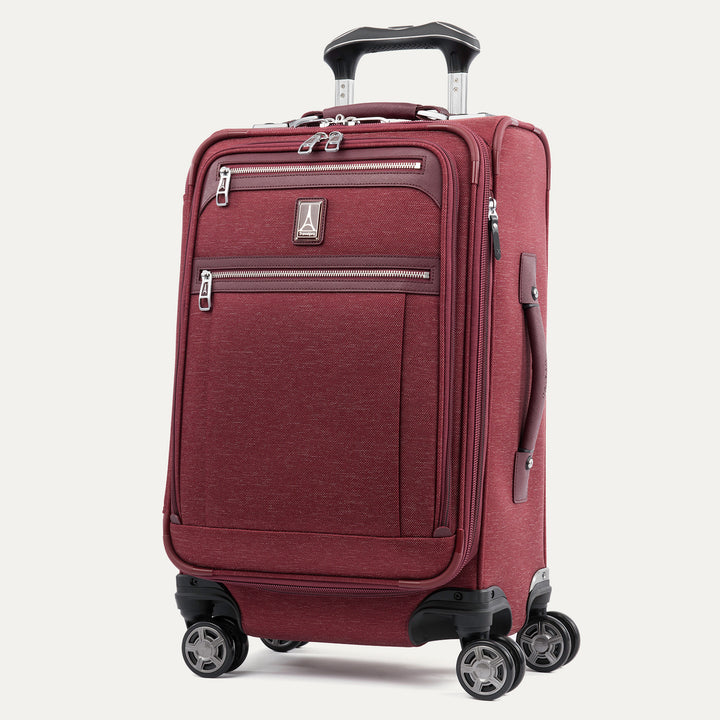
Soft-sided suitcases, typically made from materials like nylon or polyester, offer more flexibility in terms of packing and squeezing into tight spaces, like overhead compartments.
They’re usually lighter than hard-shell cases but provide less protection against impacts.
- Pros: Soft-sided bags are lighter and can expand to fit more items. They often have additional exterior pockets for easy access to small items.
- Cons: They offer less protection from impacts and can be prone to wear and tear.
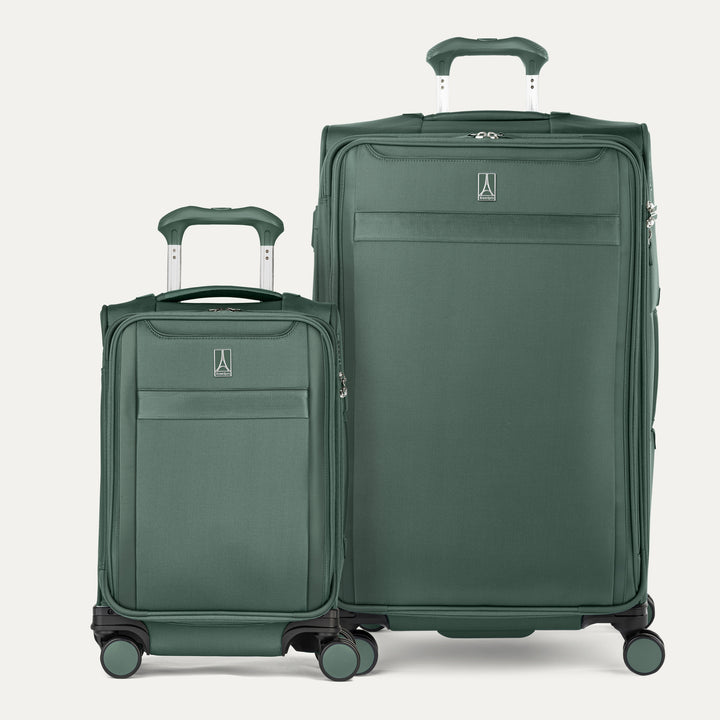
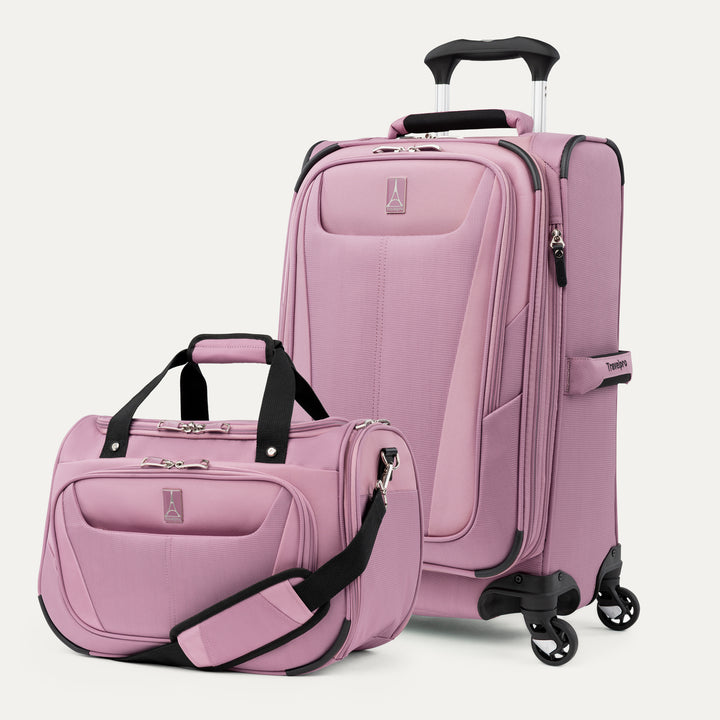
The Travelpro Maxlite® 5 Carry Me Away Carry On Luggage Set is an excellent option for travelers who prioritize flexibility.
It’s lightweight, durable, and offers plenty of exterior pockets for added convenience.
Pick the Right Wheels: Spinner Maneuverability vs. Roller Durability
The type of wheels on your suitcase affects how easily you can maneuver through airports, train stations, and city streets.
Spinner Suitcases
Spinner suitcases come with four 360-degree rotating wheels, making it easy to roll the suitcase in any direction.
These are ideal for smooth surfaces like airport floors and allow you to push or pull the bag beside you, reducing wrist strain.
- Pros: Spinners are easier to maneuver in tight spaces, reduce strain on your arms, and roll smoothly in any direction.
- Cons: Spinner wheels are more prone to breakage and don’t perform well on rough terrain.
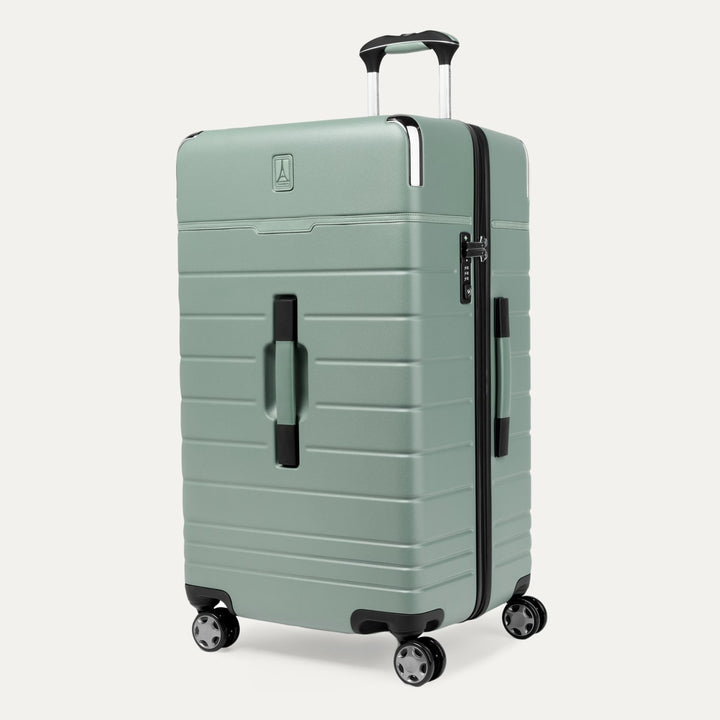
Travelpro® x Travel + Leisure® Large Check-In Trunk Spinner is a fantastic option if you’re looking for smooth, easy navigation through airports and city streets.
Its spinner wheels glide effortlessly, and the telescoping handle adjusts to different heights for added comfort.
Roller Suitcases
Roller suitcases have two wheels and must be tilted to roll.
They are generally sturdier and work well on uneven surfaces, like cobblestone streets or gravel.
- Pros: Roller suitcases tend to have stronger, more durable wheels, making them ideal for rougher surfaces.
- Cons: They can be more tiring to pull, especially over long distances, and are less maneuverable in tight spaces.
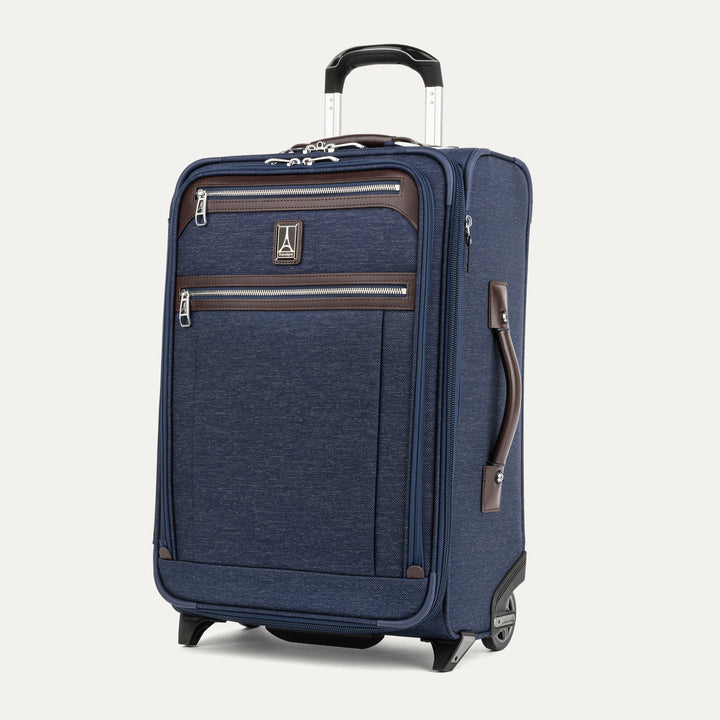
If you often find yourself navigating uneven or rugged terrain, the Travelpro Platinum® Elite Carry-On Rollaboard® is designed for durability and ease of movement over rougher surfaces.
Find Comfort: Suitcase Handles That Support Smooth Travel
Your suitcase’s handle can significantly affect your travel experience.
A telescoping handle that adjusts to different lengths allows you to find the most comfortable fit for your height.
Travelpro’s Carry-On Spinner Luggage Set are engineered for durability and comfort, minimizing wobble while allowing for multiple height adjustments.
Make sure the handle on your suitcase extends and retracts smoothly and is comfortable to grip.
Padded or ergonomic handles are a plus, reducing hand fatigue if you’re pulling your suitcase for long distances.
Add Convenience: Suitcase Features That Simplify Every Trip
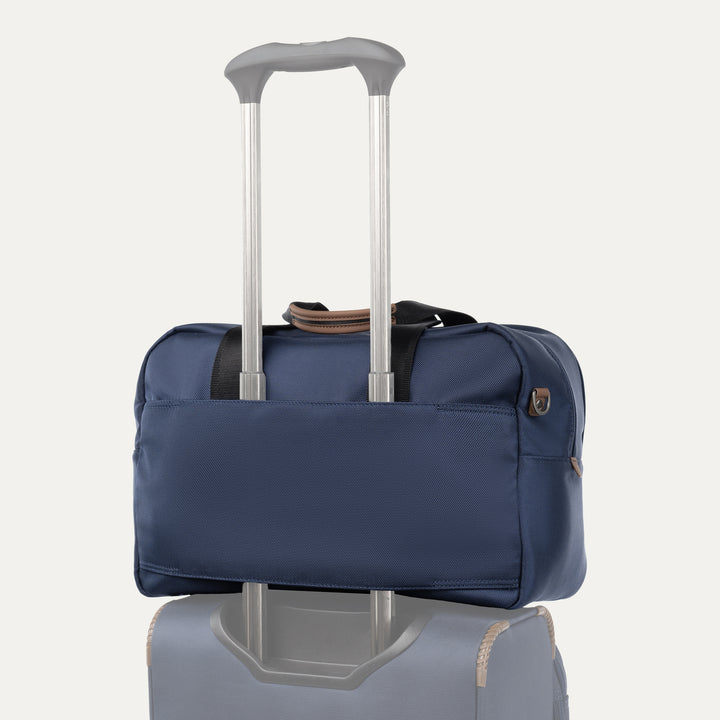
While size, material, and wheels are the core considerations, additional features can make your travel experience even more seamless.
Expandability
If you’re someone who tends to bring home more than you left with, expandability is a crucial feature.
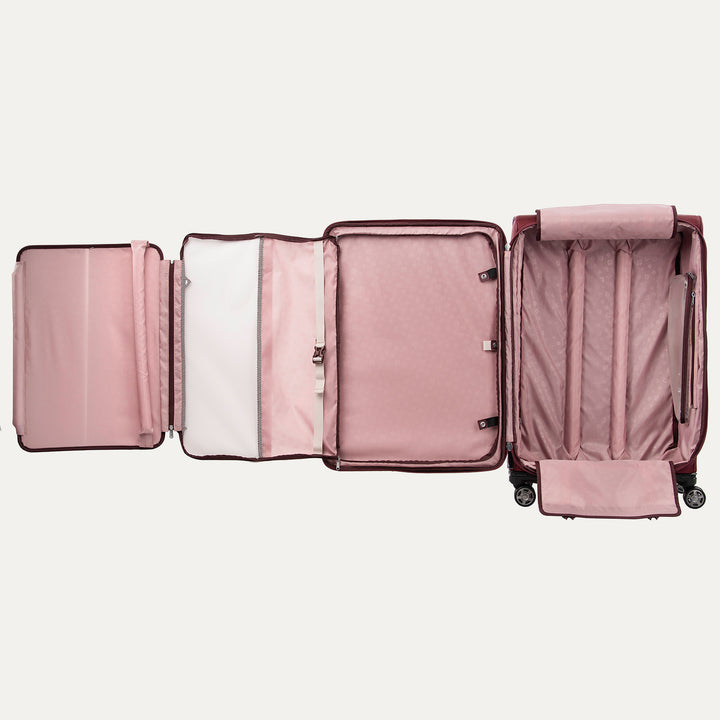
Expandable suitcases offer extra packing space when needed but can still shrink down to a more manageable size for smaller loads.
The Travelpro Platinum® Elite Large Check-In Spinner offers up to 2 inches of expandable space, making it ideal for those who need a little extra room.
Interior Organization
A suitcase with thoughtful internal organization can make packing much easier.
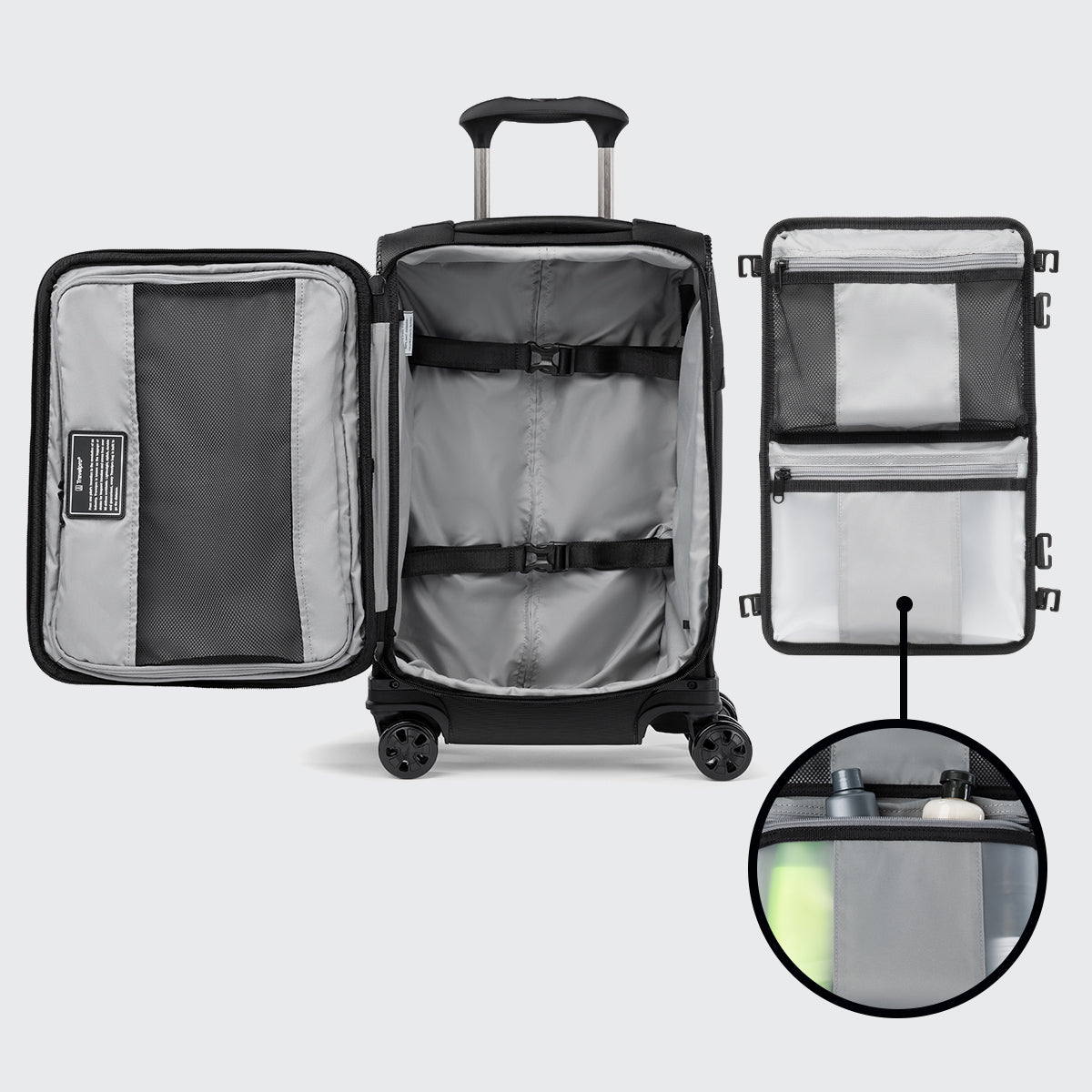
Features like built-in compartments, mesh pockets, and garment straps help you pack neatly and keep your items in place during transit.
Travelpro luggage often includes convenient features such as removable wet pockets, which are perfect for storing toiletries or damp clothing, and zippered compartments for shoes or delicate items.
Built-In Locks
Security is always a concern, especially if you’re checking your bag.
Many suitcases, including those from Travelpro, come with built-in TSA-approved locks, allowing airport security to open your bag if necessary without damaging the lock.
Invest in Travelpro Sets: Durable, Versatile & Built for Every Journey
For those who need more than one suitcase, investing in a luggage set is a smart choice.
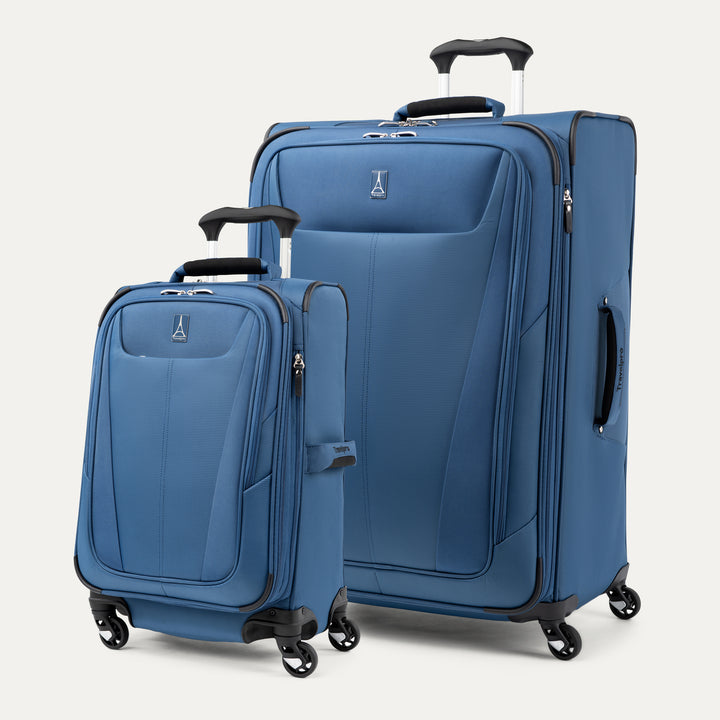
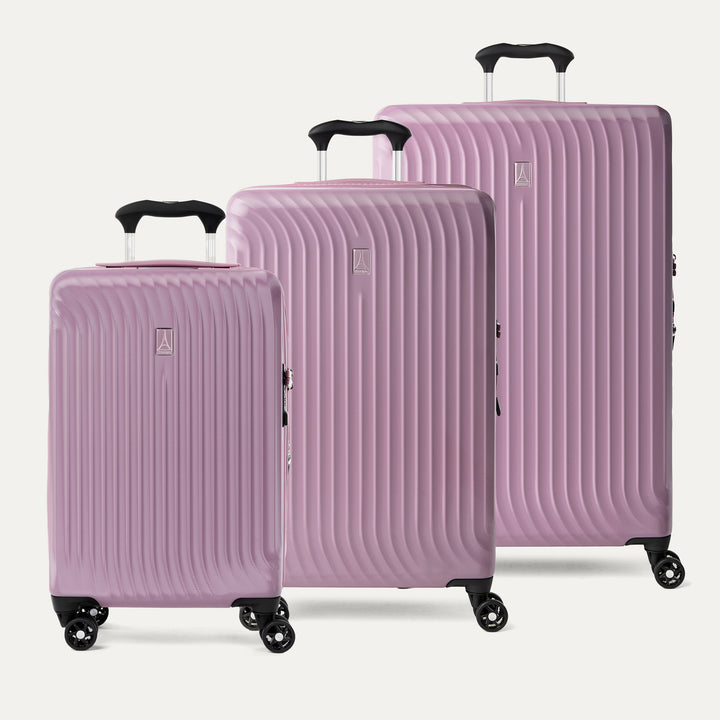
The Travelpro Maxlite Air 3-Piece Luggage Set includes a carry-on, medium checked bag, and a large checked suitcase, covering all your travel needs.
This set is ideal for those who want consistent quality and matching pieces across different trip durations.
Why Choose the Travelpro Maxlite Air 3-Piece Set?
- Durability: Built to last with high-density nylon fabric, these bags resist stains and abrasions.
- Versatility: The expandable design allows for extra packing space, and the multiple size options mean you’re prepared for short weekend trips or long international vacations.
- Maneuverability: With 360-degree spinner wheels and a telescoping handle, this set is designed for easy navigation.
- Interior Organization: The bags in this set include compartments for all your travel essentials, keeping everything organized and easily accessible.
The Travelpro Maxlite® Air Carry-On / Medium / Large Hardside Set offers the versatility and convenience that every traveler needs, making it a worthwhile investment whether you’re packing light for a business trip or gearing up for an extended vacation.
Choose Confidently: Suitcases That Support Stress‑Free Travel
Choosing the right suitcase depends on many factors, including airline regulations, trip duration, and personal preferences.
By considering everything from the size and material to the type of wheels and special features, you can find the perfect luggage
to suit your needs.
Whether you’re a frequent flyer or a casual traveler, Travelpro offers a variety of suitcases and luggage sets that combine durability, style, and convenience.
From the lightweight Maxlite 5 collection to the ultra-durable Platinum Elite series, Travelpro provides options for every traveler.
Investing in the right luggage will not only make packing easier but also ensure that you can travel without worrying about broken wheels, heavy bags, or disorganized belongings.
Now that you’re equipped with all the knowledge, it’s time to choose the best suitcase for your next adventure.
FAQ – How Do You Choose a Suitcase That Fits the Way You Actually Travel?
What Suitcase Size Works Best for a Weekend Trip?
A carry-on is usually the most practical starting point for a one-to-three-day trip because it provides enough room for a compact wardrobe without automatically requiring checked baggage.
A suitcase in the roughly 20-to-22-inch category often works well, but the complete exterior measurements matter more than the marketing label.
Wheels and handles count toward airline size limits, so measure the bag from its highest and widest fixed points.
Efficient packers may have room to spare, while travelers bringing multiple shoes, bulky clothing, or special equipment may need more capacity.Should You Choose a Carry-On or a Checked Suitcase?
Choose a carry-on when traveling light, avoiding baggage claim, and keeping your belongings nearby are the priorities.
Checked luggage becomes more practical when you need bulky clothing, several pairs of shoes, larger toiletries, formalwear, equipment, or enough clothing for an extended trip.
Trip length alone should not make the decision because climate, activities, packing style, and access to laundry can dramatically change how much space you need.
Compare your airline’s baggage rules and fees before departure so the suitcase fits both your packing needs and your ticket.What Suitcase Size Makes Sense for a Week or Longer?
A carry-on can still work for a week when you pack efficiently, repeat outfits, or have access to laundry.
A medium checked suitcase gives travelers who want more clothing, extra footwear, or room for purchases greater flexibility without immediately moving to the largest luggage category.
Longer vacations may justify a large checked suitcase, particularly for cold-weather trips, cruises, family travel, or itineraries requiring several types of clothing.
Watch the packed weight closely because a large suitcase can exceed an airline’s weight allowance well before you run out of physical space.Is Hard-Shell or Soft-Sided Luggage Better?
Neither design is automatically better because hard and soft luggage solve different travel problems.
Hard-shell cases provide a rigid exterior that can help protect items from compression and are often easy to wipe clean after a trip.
Soft-sided luggage usually offers more flexibility and commonly includes exterior pockets for documents, jackets, chargers, or other items you want to reach quickly.
Compare empty weight, durability, zipper construction, organization, and expansion in addition to the shell material before choosing between them.Are Spinner Wheels Better Than Two-Wheel Rollers?
Spinner luggage is usually easier to maneuver through airports because four rotating wheels allow the bag to move beside you, ahead of you, or through tight spaces.
Two-wheel rollers give up some of that maneuverability but may feel more stable when pulled over uneven sidewalks, curbs, or rough pavement.
Think beyond the airport terminal when making the choice.
Travelers who spend most of their time in airports, resorts, and modern hotels may appreciate spinners, while trips involving older streets or uneven terrain can make sturdy two-wheel designs appealing.Which Suitcase Features Are Actually Worth Paying For?
Strong wheels, a stable telescoping handle, durable zippers, useful interior compression, and reasonable empty weight affect everyday travel more than decorative extras.
Expansion can be valuable when bringing souvenirs home, but opening an expansion section may increase the suitcase beyond an airline’s permitted dimensions.
Interior dividers and compression panels can help control clothing without adding separate organizers for every item.
Prioritize features that solve recurring packing or transportation problems rather than paying more simply because a suitcase has a longer specification list.How Important Is Empty Suitcase Weight?
Empty weight becomes especially important when an airline places a strict weight limit on checked or cabin luggage.
A heavy suitcase uses part of that allowance before you pack the first piece of clothing.
Lighter luggage can leave more capacity for shoes, toiletries, gifts, and other belongings, but low weight should not come at the expense of dependable wheels, handles, or structural strength.
Compare similarly sized suitcases by both capacity and empty weight so you can see what you are actually gaining.Can An Expandable Suitcase Still Qualify as a Carry-On?
Sometimes, but expansion can change a bag that originally met airline dimensions into one that no longer qualifies.
The added depth is easy to overlook because the suitcase may still look like the same carry-on after you unzip the expansion section.
Airlines typically care about the bag’s actual external dimensions rather than the size printed on a product tag.
Measure an expanded suitcase before heading to the airport if you expect to use that extra space.Should You Buy One Suitcase or a Complete Luggage Set?
Buy a luggage set when you expect to use several sizes often enough to justify owning and storing all of them.
A carry-on, medium checked bag, and larger checked suitcase can provide useful flexibility across short getaways, longer vacations, cruises, and family trips.
Someone who almost always flies with a carry-on may get better value from one higher-quality suitcase than from paying for two additional bags that rarely leave the closet.
Judge a set by how many pieces you will actually use rather than by how much the bundled price appears to save.What Should You Check Before Buying a Suitcase for Air Travel?
Start with the exterior dimensions and compare them with the baggage rules of the airlines you use most often.
Then check empty weight, usable packing capacity, wheel construction, handle stability, zipper quality, organization, and whether expansion changes the bag’s dimensions significantly.
Think about where you will take the suitcase after landing because smooth terminal floors and uneven city streets place different demands on wheels and handles.
A suitcase that matches your airline restrictions, packing habits, physical comfort, and typical destinations will usually serve you better than choosing primarily by appearance or advertised capacity.