
Make the Most of Your Trip
Compare the top tours, passes, and experiences — find what fits your travel style.
Short Excerpt
- The cheapest airfare can become a much more expensive trip once baggage, seat selection, fare restrictions, boarding upgrades, Wi-Fi, food, and other optional charges are added.
- Compare the complete price for the way you actually travel instead of choosing flights by the advertised base fare alone.
- Baggage rules, seat policies, and change flexibility vary by airline and fare class, making the details attached to your specific ticket more important than assumptions based on the airline’s reputation.
Quick Take
- Price the flight with the bags, seats, and flexibility you actually need before deciding which fare is cheapest.
- Basic economy can save money when you travel light and accept restrictions, but the savings can disappear when you add seats, baggage, or a need to change plans.
- Check carry-on dimensions and checked-bag weight limits before leaving home because airport and oversize charges can be significantly more expensive than planning ahead.
- Families should review the airline’s current family-seating policy rather than assuming paying for advance seat selection is always necessary.
- Airline loyalty status and certain co-branded credit cards can offset recurring costs such as checked baggage or priority boarding, but only when the savings justify any annual fees.
- Keep screenshots and confirmations showing the fare and extras you purchased in case an optional service is not provided or a charge needs to be disputed.
Compare The Real Cost of a Flight Before Airline Fees Turn a Cheap Fare into an Expensive Trip
A low airfare can look like the obvious winner until you price the trip you are actually taking.
Add a checked suitcase, an overhead-bin carry-on on some fares, preferred seats, more flexible ticket rules, priority boarding, food, Wi-Fi, or another extra, and a flight that appeared cheaper can suddenly cost more than the alternative you rejected.
That is why the number displayed in flight-search results should be treated as the starting price rather than the complete cost of your trip.
Two tickets listed $40 apart can reverse positions once you apply the baggage, seating, and flexibility you genuinely need.
Start with luggage because baggage policies create some of the most common surprises.
Airlines can charge differently for checked bags, carry-ons, overweight luggage, oversized items, sporting equipment, and additional bags, while the allowance can also change with the route or fare class.
Seat selection adds another variable.
Paying may be worthwhile when you want an exit row, additional legroom, a particular part of the cabin, or certainty about where you will sit, but travelers should not automatically assume every unselected seat creates another required fee.
Families need to look especially closely at current carrier policies.
Some airlines commit to seating a young child beside an accompanying adult without an additional charge when certain conditions are met, while policies and guarantees are not identical across carriers.
Flexibility deserves the same attention before you book.
A restrictive fare can be perfectly reasonable for a simple trip you are confident you will take, but it becomes much less attractive when your schedule could change and the ticket gives you few options.
The booking platform matters too.
Compare the final checkout price and the change, cancellation, and support terms rather than assuming a third-party site or airline website will always produce the better deal.
Finally, remember that optional spending continues after boarding.
Wi-Fi, meals, snacks, alcoholic drinks, preferred boarding, upgrades, and other conveniences can increase the trip total further if you have not already decided which extras are actually worth paying for.
The goal is not to avoid every airline fee.
It is to know which ones apply to you before you choose the flight, so the ticket that looks cheapest is also the one that makes the most sense after the real cost is added.
Why Airlines Use Hidden Fees to Boost Revenue
Airlines didn’t always operate this way.
There was a time when your ticket included everything—seat, luggage, meal, and service.
But deregulation, rising fuel costs, and competitive pressure changed the game.
To advertise low fares while still turning a profit, airlines began unbundling services.
This strategy—called ancillary revenue—now generates billions annually.
Budget carriers like Spirit and Ryanair led the charge, but even full-service airlines followed suit.
Fees are often buried in the booking flow or revealed only after checkout.
That’s not an accident—it’s a business model.
Understanding it helps you anticipate charges and make smarter choices.
And once you’ve decoded the logic, you’ll never be blindsided again.
Lifted Closers
- Airlines aren’t hiding fees by mistake—they’re monetizing your expectations.
- Knowing how unbundling works helps you spot the traps before they trigger.
- The lowest fare isn’t always the cheapest flight.
Baggage Fees: The Most Common Surprise
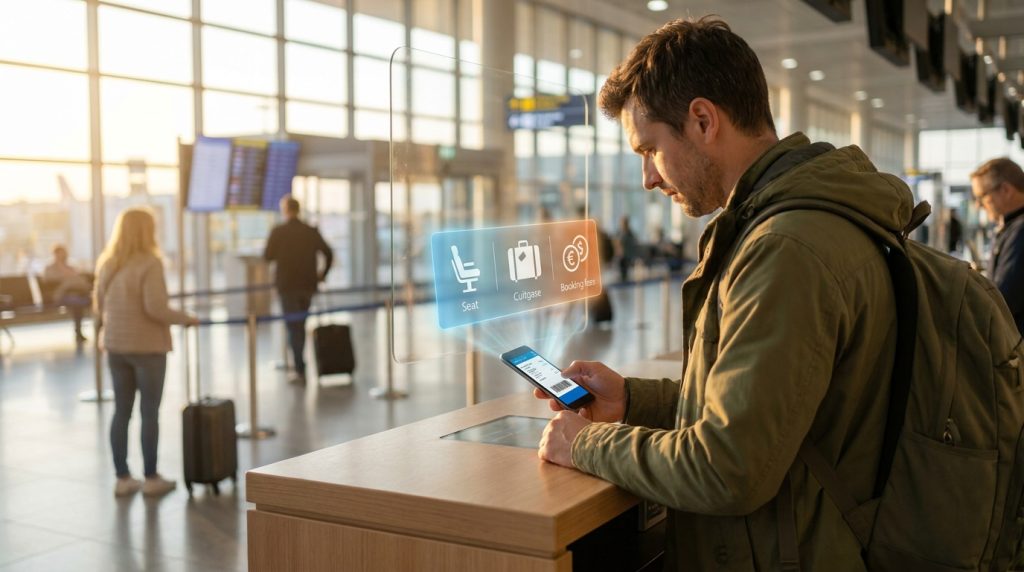
You’ve booked your flight, and now it’s time to pack.
But depending on your airline, even your suitcase might cost extra.
Checked bag fees are the most widespread hidden charge.
Most U.S. airlines charge $30–$40 for the first checked bag, with higher fees for additional or overweight luggage.
International carriers may include one free checked bag—but not always.
Carry-on fees are newer and more controversial.
Budget airlines often charge for overhead bin space, while legacy carriers still allow one free carry-on.
Oversized or specialty items—like sports gear or musical instruments—can incur steep fees.
And if you’re not careful, those charges can double at the airport.
Lifted Closers
- Your suitcase isn’t just luggage—it’s a revenue stream.
- Packing light isn’t just smart—it’s strategic.
- Knowing the weight limits can save you hundreds.
Seat Selection Fees: Paying for Comfort and Location
You’d think buying a ticket means you get a seat.
But many airlines now charge extra just to choose where you sit.
Basic economy fares often assign seats randomly unless you pay to choose.
Families traveling together may be separated unless they pay to sit together.
Preferred seats near the front or exit rows can cost $20–$100 depending on the airline and route.
Even middle seats aren’t always free anymore.
And if you wait too long, the only remaining options may be paid upgrades.
Lifted Closers
- Seat selection isn’t about comfort—it’s about control.
- Paying to sit together isn’t optional for families—it’s essential.
- The earlier you book, the cheaper your seat choices.
Change and Cancellation Fees: Flexibility Comes at a Cost

Plans change.
But if you’ve booked a basic economy ticket, flexibility isn’t part of the package.
These tickets are typically non-refundable and non-changeable.
Standard economy may allow changes—but with fees ranging from $75 to $200.
Some airlines offer “no change fee” policies, but you still pay fare differences.
Cancellation policies vary widely.
Refundable tickets cost more upfront but save money if plans shift.
Travel insurance can help—but only if it covers your specific scenario.
And if you cancel too close to departure, even insurance might not save you.
Lifted Closers
- Flexibility isn’t free—it’s a feature you pay for.
- Insurance only works if you understand the fine print.
- Booking smart means planning for the unexpected.
Booking and Payment Fees That Slip Through
You’ve selected your flight, entered your details—and now the payment screen adds another surprise.
Some airlines charge fees based on how you pay.
Credit card surcharges are common in Europe and Asia, less so in the U.S.
Third-party booking sites may add service fees or hide airline-imposed charges.
Phone bookings often incur extra fees—sometimes $25 or more.
Even mobile app bookings can include hidden service charges.
Always compare final prices across platforms before purchasing.
And when in doubt, book direct.
Lifted Closers
- The cheapest ticket isn’t always on the cheapest site.
- Booking direct cuts out the middleman—and the markup.
- Payment method matters more than you think.
In-Flight Fees: What You’ll Pay Once Airborne
You’re finally on board—but the fees haven’t stopped.
Meals, snacks, and drinks are often sold à la carte—even on long-haul flights.
Wi-Fi access ranges from $5 to $30 depending on duration and speed.
Entertainment systems may require payment or pre-download.
Blankets, pillows, and headphones are no longer guaranteed.
Some airlines charge for priority boarding or onboard upgrades.
And if you didn’t plan ahead, you’ll pay more for comfort mid-air.
Lifted Closers
- In-flight comfort is no longer complimentary.
- Download before departure—streaming isn’t guaranteed.
- The seat may recline, but the fees never do.
How to Avoid or Minimize Hidden Fees

You don’t have to pay every fee.
Smart travelers know how to sidestep the traps.
Start by comparing fare classes—not just prices.
Basic economy may look cheaper but often costs more once fees are added.
Join airline loyalty programs for free checked bags and seat upgrades.
Use airline credit cards that waive baggage fees or offer priority boarding.
Pack light to avoid checked bag charges.
Book directly with airlines to avoid third-party service fees.
Download entertainment and snacks before boarding.
And always read the fine print—because the cheapest fare isn’t always the best deal.
Lifted Closers
- Loyalty programs aren’t perks—they’re protection.
- Credit cards can be your carry-on advantage.
- The fine print is where the real price lives.
FAQ – Which Airline Fees Can Turn A Cheap Flight Into A Much More Expensive Trip?
What Counts as a Hidden Airline Fee?
The term usually refers to optional charges that are not part of the advertised base fare travelers notice first.
Baggage, seat selection, priority boarding, ticket changes, food, Wi-Fi, upgrades, and certain booking services can all increase what you ultimately spend.
Airlines are required to disclose optional-service fee information, but that does not mean every charge appears beside the first fare you see during comparison shopping.
Calculate the price around the services you will actually use rather than relying on the headline fare.Why Do Airlines Separate So Many Services from the Ticket Price?
Unbundling allows airlines to advertise a lower starting fare while charging individual travelers for the extras they choose.
Someone traveling with only a personal item may benefit from that structure because they are not paying for services they do not need.
A traveler checking bags and selecting seats can end up with a very different final price.
That is why the same fare can represent good value for one passenger and poor value for another.Which Baggage Charges Should You Check Before Booking?
Look at both carry-on and checked-bag rules for your exact airline, route, and fare class.
Then check limits for weight, dimensions, additional bags, oversized luggage, sports equipment, and any specialty items you plan to bring.
Do not assume a carry-on is included simply because another airline allows one with a similar-looking fare.
Measuring and weighing bags at home can prevent an expensive surprise at the airport.Is Paying for Airline Seat Selection Always Necessary?
No.
Pay when controlling your location is important enough to justify the additional cost, such as when you want extra legroom, a particular row, or greater certainty about where you will sit.
Otherwise, the airline may assign a seat later, although your choice can be limited.
Compare the seat map and fare rules before paying automatically for something you may not value.Do Families Have to Pay Extra to Sit Together?
Not in every case.
Several U.S. airlines currently commit to seating a child age 13 or younger beside an accompanying adult without an additional charge when specified conditions are satisfied, but the commitment is not universal across every carrier.
Booking everyone on the same reservation and reviewing the airline’s current family-seating policy can improve your options.
Do that before purchasing paid seats solely because you assume separation is inevitable.Can Basic Economy Cost More Than Standard Economy After Fees?
Absolutely.
Basic economy can be excellent value when its restrictions fit the way you travel, particularly if you pack lightly and do not care where you sit.
The advantage can shrink once you add baggage, preferred seating, boarding benefits, or flexibility that is already included or easier to obtain with another fare.
Compare the final trip configuration rather than treating the cheapest fare category as automatically cheapest.Can Loyalty Programs or Airline Credit Cards Reduce Extra Fees?
They can when the benefits match expenses you repeatedly pay.
Depending on the airline, status or a qualifying co-branded credit card may provide benefits such as checked bags, priority boarding, or other travel perks.
Those savings should be compared with annual card fees and any spending requirements.
A card that saves a frequent flyer hundreds of dollars may provide little value to someone who uses the airline once every few years.Can a Third-Party Booking Site Add Costs or Make Changes Harder?
Sometimes.
The fare itself may be competitive, but service fees, support policies, cancellation handling, or the process for changing the reservation can differ from booking directly with the airline.
Compare the final amount at checkout and identify who will handle the reservation if something goes wrong.
Saving a small amount upfront may not be worthwhile when the booking arrangement creates significantly more difficulty later.What Extra Costs Can Appear After You Board The Plane?
Wi-Fi, meals, snacks, alcoholic drinks, headphones, entertainment options, and onboard upgrades can create additional spending depending on the airline and route.
Some carriers include more of these services, while others operate with a much more unbundled model.
Download entertainment before departure and bring permitted snacks when you would rather avoid onboard purchases.
Check what your fare includes on longer flights instead of assuming familiar comforts will automatically be complimentary.What Is the Best Way to Compare Flights Without Getting Tricked by the Base Fare?
Build your own realistic total before choosing.
Add the bags you will actually bring, the seats you genuinely want, any needed flexibility, transportation differences between airports, and recurring extras that matter to you.
Then compare those totals across the flights that fit your schedule.
The cheapest airfare is only the best deal when it remains cheapest after you price the trip you are actually going to take.