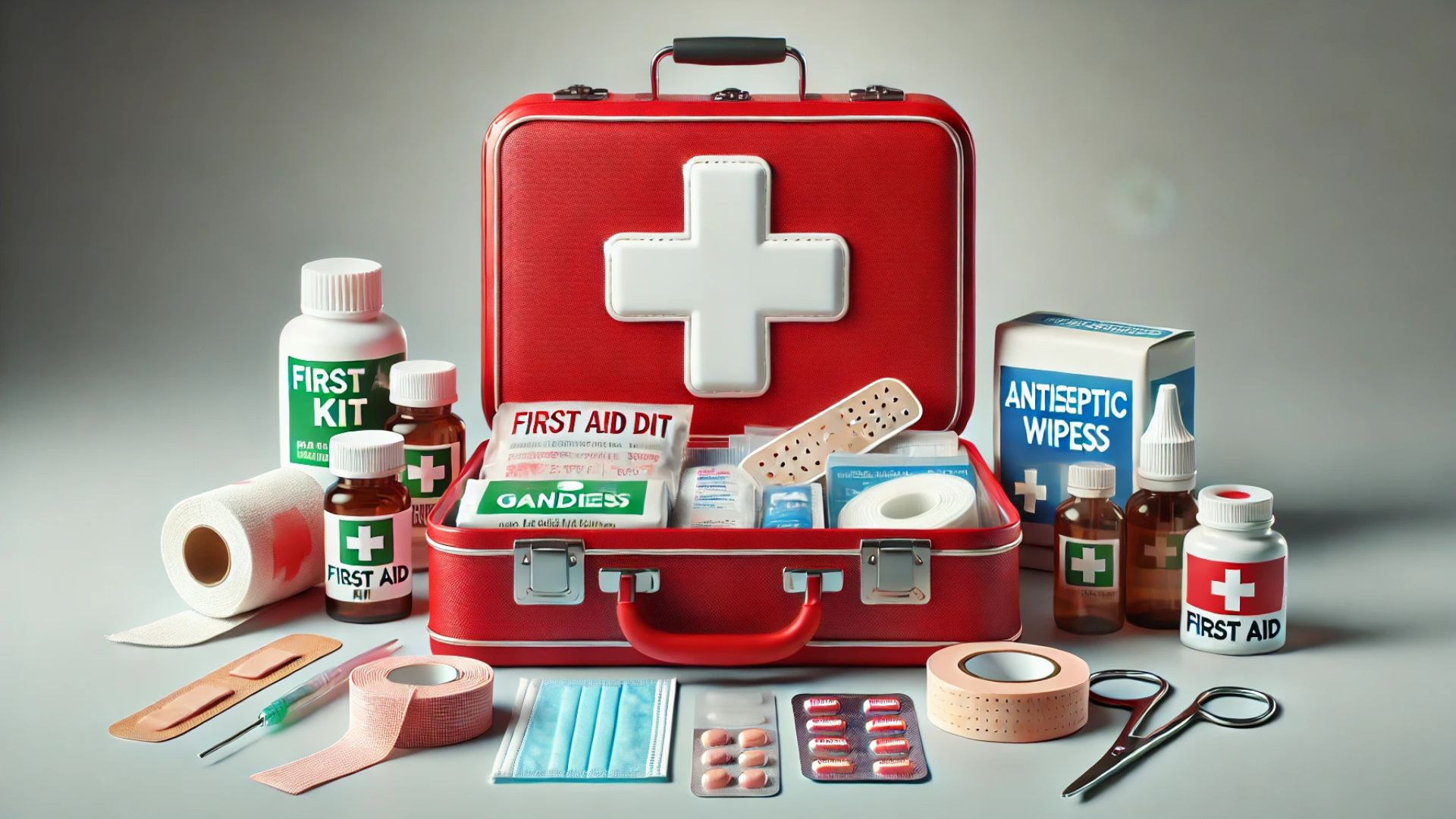
Travel brings excitement, discovery, and unforgettable memories.
It also carries the risk of cuts, blisters, stomach upsets, or unexpected illness.
Packing a reliable travel first aid kit unlocks peace of mind and ensures you’re ready for anything.
With the right supplies, you protect your health, save time, and keep your journey stress‑free.
In this blog post, we’ll go into detail on everything you need to know about building and packing the perfect travel first aid kit.
We’ll also review five excellent first aid kits available from Walmart to help simplify your decision-making process.
Why You Need a Travel First Aid Kit for Peace of Mind
Whether you’re planning a weekend road trip, a month-long backpacking adventure, or a family vacation to a resort, having a well-stocked travel first aid kit is essential.
When traveling, you’re often far from your usual medical resources, making it harder to manage minor injuries or illnesses that might occur.
1. Peace of Mind With a Travel First Aid Kit
Having a first aid kit means peace of mind. It’s a relief knowing that you’re prepared to deal with cuts, blisters, headaches, or even allergic reactions.
Not only can it save time in an emergency, but it can also save you from the stress of trying to find medical care in a foreign location or navigating unfamiliar languages.
2. Immediate Care That Speeds Recovery on the Road
Sometimes, the severity of an injury can escalate if left untreated.
Having basic first aid supplies with you can prevent minor wounds from becoming infected or provide relief for conditions like heat exhaustion or food poisoning.
Being able to administer immediate care helps mitigate discomfort and speeds up recovery time.
3. Customize Your Travel First Aid Kit for Personal Safety
The beauty of packing your own travel first aid kit is that you can tailor it to your specific needs.
If you have allergies, for example, you’ll want to include your prescribed medications.
If you’re prone to motion sickness, having the right remedy on hand can be a lifesaver.
A personalized kit is more effective because it’s built around your health requirements and the potential risks of your travel destination.
Smart Tips to Pack a Travel First Aid Kit That Works
Packing a first aid kit isn’t just about throwing a few Band-Aids and some painkillers in a bag.
To make sure your kit is functional and meets your needs, follow these tips:
1. Choose the Right Size Kit
The size of your first aid kit will depend on the type of trip you’re planning.
If you’re backpacking for several weeks, you’ll need a more comprehensive kit than if you’re taking a weekend city break.
For long trips or travel to remote areas, opt for a larger kit that includes supplies for more serious injuries.
For shorter, urban trips, a smaller kit that covers basic needs like cuts, headaches, and allergies will suffice.
2. Plan for Your Destination
Where you’re going will heavily influence what you should pack in your first aid kit.
Traveling to tropical locations? Sunscreen, aloe vera gel, and insect repellent are a must.
If you’re heading to a colder climate, think about packing lip balm and hand warmers in case of exposure to the elements.
Research the potential health risks in your destination so you can prepare accordingly.
3. Prepare for Common Health Issues
While it’s impossible to predict every medical issue that might arise, certain ailments are more common during travel.
Being ready for things like upset stomachs, blisters, or allergic reactions is smart.
Include items like anti-diarrheal medication, blister pads, and antihistamines to handle these typical travel-related health problems.
4. Stay Organized
A first aid kit is only as useful as its organization.
The last thing you want in an emergency is to scramble through a disorganized bag looking for the one item you need.
Use a kit with separate compartments or label your supplies to make everything easily accessible.
If you’re assembling your own kit, consider using small plastic bags to group items (e.g., all medications in one bag, all wound care supplies in another).
5. Check for Expiration Dates
Before packing, always check the expiration dates on medications, ointments, and antiseptics.
Expired items may not be effective, and in some cases, they could cause harm.
Set a reminder to periodically check your first aid kit and replace any expired or used items before your next trip.
Pack These Essentials in Your Travel First Aid Kit
Packing a first aid kit requires striking a balance between having everything you might need and not overloading yourself with unnecessary items.
Here’s a detailed list of essentials that should be included in every travel first aid kit:
1. Wound Care Supplies
Cuts, scrapes, and blisters are some of the most common injuries travelers face.
Wound care supplies help you clean, protect, and heal minor wounds before they become more serious.
- Band-Aids (assorted sizes): These are crucial for covering cuts and blisters to prevent infection.
- Sterile gauze pads: Used to cover and protect larger wounds.
- Medical adhesive tape: Helps secure gauze or bandages.
- Antiseptic wipes: For cleaning wounds before applying bandages. Alcohol-based wipes can also disinfect surfaces in a pinch.
- Antibiotic ointment (like Neosporin): To prevent infection in minor cuts and scrapes.
- Hydrocolloid blister bandages: These are essential for treating blisters, particularly if you’ll be walking a lot.
2. Pain Relief and Fever Medication
From long flights to busy sightseeing days, travel often brings headaches, muscle aches, and sometimes even fevers.
Having the right medication on hand ensures you don’t have to suffer while trying to enjoy your trip.
- Ibuprofen or acetaminophen: These pain relievers help with headaches, muscle aches, and fevers.
- Aspirin: Useful for pain relief and also in emergencies for heart attack prevention.
- Cold and flu medicine: For treating the symptoms of colds, which can arise from changing climates or being in crowded spaces like airports.
3. Allergy and Stomach Medications
New environments often bring new allergens and unfamiliar foods, both of which can cause uncomfortable reactions.
- Antihistamines (like Benadryl): For treating allergic reactions to pollen, food, or insect bites.
- Anti-diarrheal medication (like Imodium): Essential for treating upset stomachs caused by different foods or water quality.
- Antacids (like Tums): To relieve indigestion or heartburn from rich or spicy meals.
- Motion sickness medication (like Dramamine): A lifesaver for those prone to nausea during flights, boat rides, or long drives.
4. Sun and Skin Protection
If you’re traveling to a sunny destination, preventing sunburn and dealing with any skin irritations should be high on your priority list.
- Sunscreen (SPF 30 or higher): Apply generously and frequently to avoid painful sunburns.
- Aloe vera gel: To soothe skin after sun exposure or to treat minor burns.
- Insect repellent (with DEET or Picaridin): Protects against mosquito bites, which can be both irritating and dangerous in some regions.
5. Other Important Items
These miscellaneous items might seem minor, but they’re incredibly useful in various situations.
- Tweezers: Great for removing splinters or ticks.
- Small scissors: For cutting gauze, medical tape, or clothing in emergencies.
- Thermometer: A digital thermometer is ideal for checking fevers.
- Medical gloves: Important if you need to assist someone else with their injury.
- Lip balm with SPF: To prevent chapped lips in dry or sunny environments.
5 Trusted Travel First Aid Kits From Walmart That Keep You Ready
While building your own travel first aid kit allows for customization, pre-made kits can be a convenient and reliable option, especially if you’re short on time.
Below are five excellent travel first aid kits available from Walmart, along with detailed explanations of why they’re a good choice for your travel needs.
1. Johnson & Johnson All-Purpose First Aid Kit
This Johnson & Johnson kit is one of the best all-around options for travelers.
It contains 140 pieces, including assorted bandages, antiseptic wipes, gauze pads, and an instant cold pack.
What makes this kit particularly appealing is that it offers a range of first aid supplies in a small, portable case.
Why It’s Great:
- Comprehensive with a wide variety of items for cuts, burns, and sprains.
- Compact design makes it perfect for packing in a suitcase or backpack.
- Trusted Johnson & Johnson brand ensures high-quality products.
2. Be Smart Get Prepared First Aid Kit (110 pieces)
This kit is ideal for outdoor enthusiasts who may encounter harsher conditions.
It comes in a rugged, waterproof case, making it perfect for hikes, camping trips, and adventurous travelers.
The kit includes a variety of bandages, antiseptic towelettes, and medical tape, along with a durable carry case.
Why It’s Great:
- Waterproof and impact-resistant case for rough environments.
- 110 pieces cover a wide range of minor injuries and emergencies.
- Lightweight and compact, making it easy to carry during outdoor activities.
3. Swiss Safe 2-in-1 First Aid Kit (120 pieces)
The Swiss Safe 2-in-1 kit provides two kits in one: a comprehensive 120-piece main kit and a smaller 32-piece mini kit for quick trips.
The main kit includes everything from bandages to emergency blankets, while the mini kit is perfect for day trips.
Why It’s Great:
- Dual kit setup offers flexibility for both long trips and short excursions.
- The larger kit is equipped with all basic first aid supplies, while the mini kit is ideal for quick outings.
- High-quality supplies for both wound care and emergencies.
4. Adventure Medical Kits Travel First Aid Kit
This kit is specifically designed for travelers, with supplies tailored to common travel-related issues.
It includes items like moleskin for blisters, rehydration salts for dehydration, and medications for upset stomachs.
It’s lightweight and compact, making it easy to carry while offering targeted supplies.
Why It’s Great:
- Focuses on common travel-related issues like dehydration and upset stomachs.
- Compact, lightweight, and organized for easy use.
- Ideal for long trips where access to medical care may be limited.
5. Coleman All-Purpose Mini First Aid Kit
For those who need something incredibly small and portable, the Coleman Mini First Aid Kit is a great choice.
It contains 27 essential items such as bandages, antibiotic ointment, and antiseptic wipes, all in a tin case that fits easily into a backpack or even a pocket.
Why It’s Great:
- Ultra-compact, perfect for day trips and short adventures.
- Comes in a sturdy, portable tin that’s easy to carry.
- Ideal for quick fixes and minor injuries.
Be Prepared for Every Adventure with a Travel First Aid Kit
Packing a travel first aid kit is one of the smartest things you can do to ensure a safe, enjoyable trip.
Whether you’re handling a small cut or managing a more significant health issue, having the right supplies on hand makes all the difference.
By considering the length of your trip, your destination, and your personal health needs, you can tailor your first aid kit to ensure you’re ready for anything.
While assembling a custom kit offers flexibility, pre-made kits like the ones from Walmart provide an easy, efficient way to be prepared, no matter where your travels take you.
Don’t forget to review your kit before each trip, replace any expired or used items, and pack for the specific challenges your destination might present.
With the right preparation, you’ll be ready to handle minor medical issues and focus on making the most of your travel experience.
FAQ – Travel First Aid Kits That Keep You Safe and Ready Anywhere
Why Should I Pack a Travel First Aid Kit for My Trip?
A travel first aid kit unlocks peace of mind by preparing you for cuts, blisters, and sudden illness.
It supports confidence when medical care is far away or delayed.
It streamlines your response to emergencies, saving time and stress.
It delivers reassurance that you can handle minor health issues on your own.What Essentials Should I Include in a Travel First Aid Kit?
Pack wound care supplies like bandages, antiseptic wipes, and antibiotic ointment.
Include pain relievers, fever reducers, and stomach medications.
Add allergy treatments, motion sickness remedies, and insect repellent.
Support skin protection with sunscreen, aloe vera, and lip balm with SPF.How Do I Customize a Travel First Aid Kit for My Needs?
Tailor your kit to allergies, prescriptions, and personal health risks.
Add remedies for motion sickness, migraines, or chronic conditions.
Streamline packing by grouping items into labeled compartments.
Deliver safety by checking expiration dates before every trip.Are Pre-Made Travel First Aid Kits from Walmart Reliable?
Yes—Walmart kits unlock convenience with trusted, ready-to-use supplies.
They support travelers with compact, portable cases.
They streamline preparation by covering common injuries and illnesses.
They deliver value by combining quality products at affordable prices.How Can a Travel First Aid Kit Help During Hurricane Season or Weather Delays?
A travel first aid kit supports continuity when storms disrupt plans.
It unlocks safety by keeping essentials on hand if medical access is limited.
It streamlines recovery from minor injuries during delays or reroutes.
It delivers reassurance when traveling through hurricane-prone regions.What Safety Tips Should I Follow When Using a Travel First Aid Kit Abroad?
Check local regulations before carrying medications across borders.
Use gloves when treating others to unlock hygiene and safety.
Streamline care by labeling medications in your language and the local one.
Deliver peace of mind by storing your kit in an accessible, waterproof bag.