

Make the Most of Your Trip
Compare the top tours, passes, and experiences — find what fits your travel style.
Short Excerpt
- Public transit usually offers the lowest and most predictable cost for frequent city travel, while rideshare trades higher and more variable pricing for door-to-door convenience.
- The better choice can change with trip length, group size, time of day, transit frequency, luggage, mobility needs, and how much time you are willing to spend walking or transferring.
- Travelers often save the most by using transit for routine sightseeing and switching to rideshare strategically for late nights, airport runs, tight schedules, or trips where several people can split one fare.
Quick Take
- Use public transit for frequent solo trips when the system is reliable and your destinations sit near convenient stops.
- Rideshare becomes more competitive when two to four travelers can divide one fare, particularly when transit would require several separate fares or difficult transfers.
- Compare door-to-door travel time rather than vehicle speed because walking to stations, waiting, transfers, traffic, and pickup times all affect the real journey.
- Check rideshare prices before requesting because concerts, bad weather, rush periods, airport demand, and late-night crowds can trigger steep price increases.
- Nighttime decisions should consider service frequency, walking distance, pickup location, neighborhood conditions, and the reliability of each option rather than cost alone.
- The smartest city strategy is often a combination: transit for predictable everyday movement and rideshare when convenience saves enough time or effort to justify the premium.
Public Transit Or Rideshare? Choose The Ride That Saves You More Without Wasting Time
Public transit and rideshare solve the same basic problem, but they reward travelers in very different ways.
One usually gives you lower, more predictable costs, while the other gives you a direct ride that can save walking, transfers, and time when the route becomes complicated.
For most solo travelers making several trips around a well-connected city, transit has the financial advantage.
A subway, bus, tram, or rail fare can stay consistent throughout the day, and daily or multi-day passes may reduce the cost further when you ride frequently.
Rideshare changes the calculation by putting the pickup and destination where you need them.
That convenience can matter when you are carrying luggage, traveling with children, moving between poorly connected neighborhoods, trying to reach an early flight, or simply do not want to spend 45 minutes making a trip that takes 15 minutes by car.
Group size can completely reverse the comparison.
A rideshare fare that looks expensive for one passenger may become reasonable when three or four people divide it, while transit generally charges each traveler separately.
Time of day matters just as much.
Transit may be inexpensive during the afternoon but run less frequently late at night, while rideshare can remain available after trains or buses reduce service.
The tradeoff is that fares can rise sharply when driver supply is limited or demand spikes after concerts, sporting events, bad weather, or nightlife closing times.
Do not compare only the number displayed on the transit map with the rideshare app’s estimated drive time.
Count the full journey: walking to the stop, waiting, transfers, traffic, pickup time, and how far you must walk after getting off.
Safety and comfort are also route-specific.
A direct rideshare may feel more practical when the alternative involves a long nighttime walk or several transfers, while a busy, well-lit transit route with frequent service may be perfectly reasonable and considerably cheaper.
Accessibility can change the decision again.
Station elevators, stairways, platform distances, accessible buses, wheelchair-compatible vehicles, luggage, and the distance between a stop and your final destination all deserve attention when mobility is a factor.
The best answer therefore is rarely “always take transit” or “always use rideshare.”
Use public transportation when its cost and route work in your favor, then pay for rideshare when the time, convenience, group economics, or circumstances make the extra expense worthwhile.
Why Predictable Pricing Protects Your Wallet
Public transit runs on a fixed fare system that respects your budget.
Whether it’s morning rush or midnight calm, the price stays the same.
This predictability makes monthly planning effortless and stress-free.
Transit passes offer unlimited rides for a flat fee, often under $100.
Rideshare apps, by contrast, use dynamic pricing that spikes during high demand.
A $15 ride can become $45 in bad weather or after a concert.
These fluctuations make rideshare hard to budget and easy to overspend.
If you ride daily, the difference adds up fast.
Predictable Pricing Wins
You deserve a ride that doesn’t play games with your wallet.
Transit fares stay steady, no matter the time or traffic.
Rideshare surges when you need it most—costing you more when you’re least prepared.
Transit passes offer peace of mind and unbeatable value.
Hidden fees and tipping prompts quietly inflate rideshare totals.
With transit, what you see is what you pay.
For commuters and planners, stability wins every time.
Your budget deserves consistency, not chaos.
Key Takeaways on Fare Stability
- Fixed transit pricing protects your budget from surprise spikes.
- Rideshare costs are volatile and often surge without warning.
- Monthly passes offer unmatched value for consistent riders.
Why Short Trips Add Up Fast

Short rides are deceptively expensive when you choose rideshare.
Even a quick hop across town often starts at $10–$15.
Public transit, meanwhile, offers $2–$5 fares that stay low no matter the distance.
If you’re running errands or commuting a few miles, transit wins every time.
Multi-ride passes and capped daily rates make it even more affordable.
Rideshare minimums and per-mile charges punish short-distance riders.
Over a month, these small differences become major savings.
Transit turns short trips into smart moves.
Small Trips, Big Savings
Short rides shouldn’t wreck your budget.
Transit keeps costs low and predictable, even for frequent use.
Rideshare inflates short trips with base fares and hidden fees.
Transit avoids surge pricing and per-mile penalties.
You’ll save hundreds monthly by choosing transit for local errands.
It’s not just cheaper—it’s smarter.
Consistency beats convenience when savings matter.
Your wallet will thank you every time.
Smart Savings for Short Rides
- Transit fares stay low even for frequent use.
- Rideshare minimums inflate short-trip costs.
- Monthly savings favor transit for urban commuters.
How Group Travel Changes the Equation
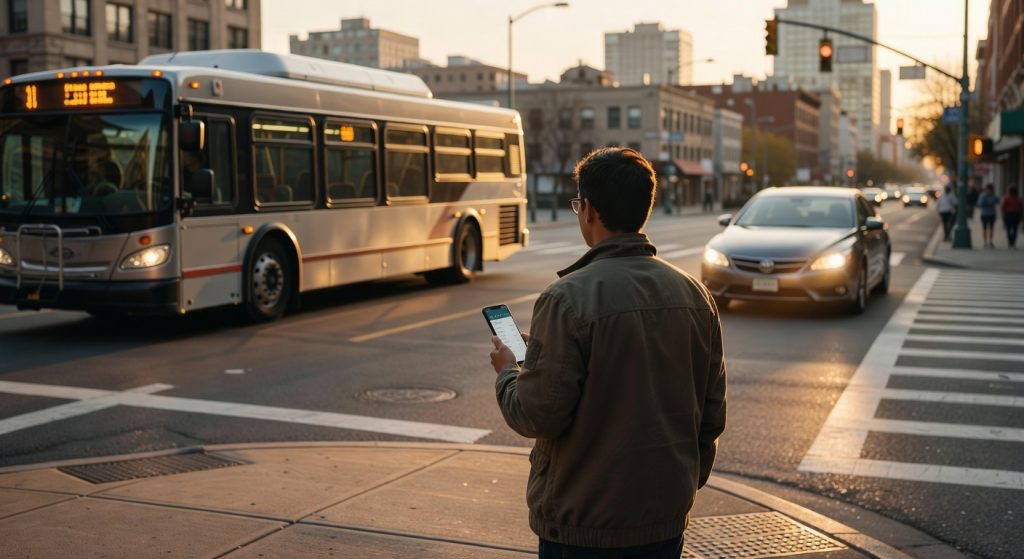
Traveling with others shifts the value equation.
Rideshare becomes more affordable when split among 2–4 people.
A $30 fare divided three ways is just $10 each—comparable to transit.
Families and small groups benefit from door-to-door convenience.
Transit charges per rider and rarely offers group discounts.
Coordinating transfers and schedules with multiple people can be tricky.
Rideshare simplifies logistics and saves time.
But for solo riders, transit remains the better deal.
Split Fare Advantage
Group rides make rideshare more competitive.
Transit doesn’t scale well for families or small teams.
Rideshare offers flexible pickup and drop-off, reducing stress.
Transit requires coordination and patience.
If you’re traveling together, rideshare may be worth the premium.
But for solo trips, transit wins hands down.
Know your group, know your route, and choose wisely.
Your cost per person matters more than the total.
Group Travel Takeaways
- Rideshare fares become competitive when shared.
- Transit lacks group discounts and flexibility.
- Families benefit from rideshare’s convenience.
When Time Matters More Than Money
Time is your most valuable currency—and rideshare spends it wisely.
You get picked up at your door and dropped off exactly where you need to be.
Transit, while cheaper, often requires walking, waiting, and transferring.
If your schedule is tight, rideshare may justify the extra cost.
But if you’re flexible, transit delivers serious savings.
It’s a tradeoff between speed and budget.
Your priorities decide the winner.
Time Is Money—Sometimes
Rideshare saves time, especially for complex or urgent trips.
Transit demands patience and planning.
If you’re rushing to a meeting or catching a flight, rideshare delivers.
But for daily commutes, transit’s rhythm can work just fine.
Evaluate your schedule before choosing.
Time savings may justify higher costs in specific scenarios.
Transit wins when time isn’t critical.
Balance speed with savings to ride smarter.
Time vs. Budget Insights
- Rideshare offers speed, but at a premium.
- Transit saves money, especially for flexible schedules.
- Choose based on urgency, not habit.
What Happens After Dark
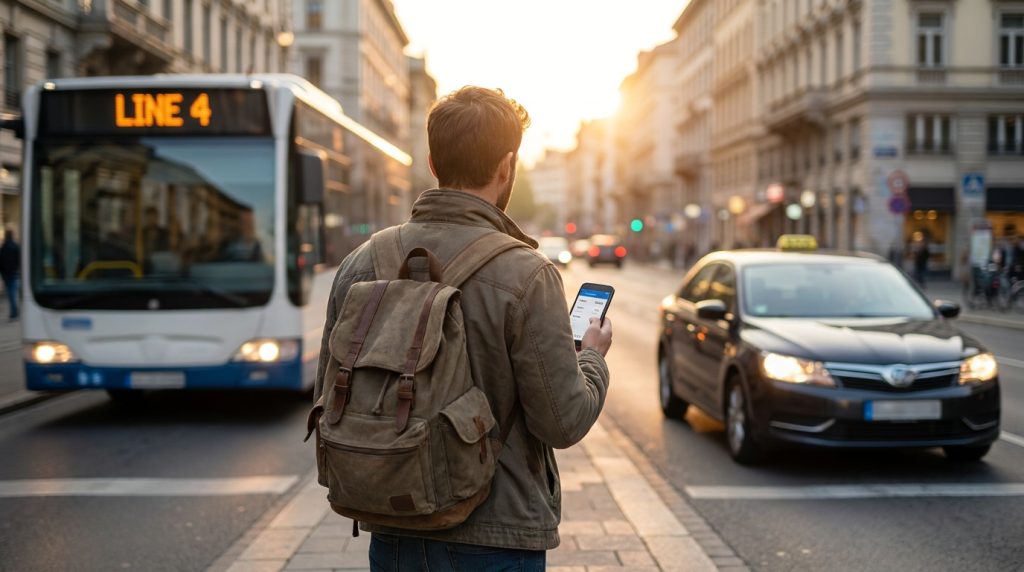
Night travel changes everything.
Transit systems often reduce frequency or shut down overnight.
Rideshare fills the gap with 24/7 availability—but at a price.
Late-night fares often include surge pricing and limited driver supply.
A $15 ride at noon might cost $40 after midnight.
Transit, when available, remains the cheaper option.
But safety, speed, and reliability may tip the scale toward rideshare.
Know your city’s schedule before you ride.
After-Hours Realities
Rideshare is often the only option late at night.
Expect higher fares due to limited supply and increased demand.
Transit may not be available, but it’s cheaper when it is.
Late-night travel favors rideshare for safety and speed.
Transit schedules vary widely by city and region.
Check service hours before planning your trip.
Surge pricing can make rideshare prohibitively expensive.
Transit is ideal when available and safe.
Night Travel Takeaways
- Rideshare fills gaps in transit schedules.
- Expect surge pricing after dark.
- Transit saves money when available.
What Monthly Costs Really Look Like
Let’s talk numbers.
Transit costs $3–$5 per day, adding up to $60–$120 monthly.
Rideshare averages $15–$25 daily, pushing monthly totals to $300–$600.
That’s a 5x difference for regular commuters.
Transit passes offer unlimited rides and capped fares.
Rideshare includes surge pricing, booking fees, and tipping.
Even occasional rideshare use can exceed a transit pass.
Budgeting favors transit—every time.
Numbers That Add Up
| Mode | Avg. Daily Cost | Monthly Total | Notes |
|---|---|---|---|
| Public Transit | $3–$5 | $60–$120 | Fixed fare or pass |
| Rideshare | $15–$25 | $300–$600 | Variable pricing, surge fees |
Transit delivers consistent value.
Rideshare offers convenience—but at a steep premium.
Choose based on frequency, not just comfort.
Your monthly ride shouldn’t drain your wallet.
Monthly Budget Insights
- Transit offers predictable monthly costs.
- Rideshare costs fluctuate and surge.
- Monthly passes deliver unmatched savings.
Why Your Ride Impacts More Than Your Wallet
Your ride affects more than your bank account—it shapes your city.
Transit reduces traffic, lowers emissions, and supports equitable access.
One bus can replace dozens of cars, easing congestion and pollution.
Rideshare, while efficient, still adds vehicles to the road.
Cities with strong transit systems enjoy cleaner air and better mobility.
Choosing transit means investing in infrastructure that benefits everyone.
Your ride is a vote for the future.
Cleaner Cities, Healthier Commutes
Transit supports sustainability and urban health.
Rideshare contributes to traffic and emissions.
Cleaner air and quieter streets benefit everyone.
Transit infrastructure builds stronger communities.
Rideshare convenience comes with environmental costs.
Choose transit to support long-term change.
Your transportation choice matters.
Impactful Travel Choices
- Transit supports cleaner, healthier cities.
- Rideshare contributes to traffic and emissions.
- Choose transit for long-term community benefits.
FAQ – When Does Public Transit Beat Rideshare — And When Is Paying More Actually Worth It?
Which Is Usually Cheaper, Public Transit or Rideshare?
Public transit is usually less expensive for a solo traveler making frequent trips in a city with good service.
Fares are generally more predictable, and day or multi-day passes can reduce the average cost when you ride repeatedly.
Rideshare pricing varies with distance, traffic, demand, local fees, and other factors.
The comparison becomes much closer when several people divide one rideshare fare.When Can Rideshare Be Worth Paying More For?
Rideshare becomes easier to justify when it saves a meaningful amount of time or removes a difficult part of the journey.
Airport trips, early departures, heavy luggage, complicated transfers, unfamiliar neighborhoods, and destinations far from transit stops are common examples.
Door-to-door service can also simplify travel for families and small groups.
Pay the premium when the convenience solves a real problem rather than simply choosing rideshare out of habit.How Does Group Size Change the Transit Versus Rideshare Decision?
Group travel can make rideshare much more competitive.
Transit normally charges each person separately, while several passengers can divide one rideshare fare.
A fare that feels excessive for one traveler may look completely different when split between three or four people.
Compare the per-person cost before assuming public transportation is automatically the cheaper choice.How Should You Compare Travel Time Between Transit and Rideshare?
Measure the entire door-to-door journey.
For transit, include the walk to the station or stop, waiting time, transfers, and the final walk to your destination.
For rideshare, consider pickup time and traffic rather than relying only on the estimated driving distance.
The faster option can change throughout the day, so compare the real journey when timing is important.Why Can Rideshare Prices Change So Much During the Same Day?
Rideshare platforms adjust prices as demand and available driver supply change.
Rush periods, concerts, sporting events, nightlife closing times, severe weather, and airport surges can all push fares higher.
A trip that looks reasonable earlier in the day may cost substantially more later.
Check the current fare before requesting, and compare transit or waiting briefly when the price suddenly jumps.Is Public Transit Better for a Week of City Sightseeing?
It often can be when the city has a strong transit network and most of your attractions sit near convenient routes.
Frequent riders may benefit from daily or multi-day passes, capped fares, or other local pricing structures.
Transit can also remove the need to repeatedly check rideshare prices throughout the day.
Mixing in an occasional rideshare can still make sense when a particular destination is poorly connected or the schedule becomes tight.Which Is Better for Getting Around a City Late at Night?
That depends on the city, route, and conditions at the time.
Transit service may become less frequent late at night or stop entirely, while rideshare can provide direct transportation after regular schedules thin out.
Consider how long you would wait, how far you would walk, where the pickup or station is located, and whether the route feels appropriate for your situation.
Cost is only one part of a nighttime transportation decision.How Do Mobility or Accessibility Needs Affect the Choice?
Accessibility can make the better option very route-specific.
Check whether stations have working elevators, whether buses or trains accommodate your needs, and how far you must travel between the stop and your actual destination.
Rideshare may reduce walking and transfers, while accessible transit can sometimes provide a much more affordable solution.
When using rideshare, confirm that the available vehicle type can accommodate any wheelchair, mobility device, luggage, or assistance you require.Is Public Transit Better for the Environment Than Rideshare?
Public transportation generally has an advantage when many passengers share one bus or train instead of taking separate car trips.
The exact impact depends on vehicle type, ridership, energy source, route efficiency, and how many passengers share each ride.
Rideshare can also contribute to additional vehicle miles when drivers travel between passengers or wait for requests.
Travelers who want to reduce both transportation spending and dependence on individual car trips may find transit particularly attractive in well-connected cities.What Is the Smartest Way to Combine Public Transit and Rideshare on a City Trip?
Use each option where it performs best.
Take transit for predictable routes, frequent sightseeing trips, and journeys where the price difference is large but the time difference is small.
Switch to rideshare for difficult connections, airport transfers, late-night travel, heavy luggage, or group trips where splitting the fare changes the economics.
A mixed strategy often gives you more savings than relying entirely on rideshare without forcing you to sacrifice convenience every time transit is inconvenient.