

Make the Most of Your Trip
Compare the top tours, passes, and experiences — find what fits your travel style.
Short Excerpt
- Tipping rules change dramatically from one country to another, so the amount that feels normal at home can be unnecessary, excessive, or confusing somewhere else.
- Check whether service is already included before adding a gratuity, especially in restaurants where service charges may already appear on the bill.
- Restaurants, hotels, taxis, rideshares, and tours can follow different customs within the same destination, making local expectations more useful than one universal percentage.
Quick Take
- Research tipping customs for the specific country you are visiting instead of applying U.S. percentages everywhere.
- In the United States and Canada, tipping remains customary for many service workers, while several European countries rely more heavily on included service or modest additional gratuities.
- Japan generally does not have a tipping culture, while practices elsewhere in Asia vary widely by country and type of service.
- Check restaurant bills for service charges before adding anything extra so you do not accidentally tip twice.
- Carry some small local-currency notes when hotel staff, guides, drivers, or other workers commonly receive cash tips.
- When the custom is unclear, asking hotel staff or a knowledgeable local whether gratuity is customary is better than guessing from another country’s rules.
Tip Like a Local Abroad Without Overpaying, Double-Tipping, Or Creating an Awkward Moment
Tipping is one of the easiest travel habits to get wrong because the rule you learned at home may stop applying the moment you cross a border.
A restaurant tip that feels routine in the United States may be unnecessarily large in parts of Europe, already incorporated into the bill elsewhere, or simply not part of the culture at all.
Japan is a particularly useful reminder: routine tipping is not customary there, and trying to leave extra money can create confusion rather than appreciation.
The safest approach is to stop thinking of tipping as one global percentage. Restaurant servers, hotel porters, housekeeping staff, taxi drivers, rideshare drivers, tour guides, and other service workers can each follow different customs even within the same country.
Start with the bill. Restaurants in some destinations include a service charge automatically, which can make an additional gratuity optional rather than expected.
Costa Rica, for example, generally includes a 10% service charge in restaurant and hotel pricing, while additional tipping remains discretionary.
Europe requires even more country-by-country attention.
Some restaurants include service, while elsewhere diners commonly round up the bill or leave a modest additional amount.
Applying a blanket 20% tip simply because that feels familiar can mean spending significantly more than local custom calls for.
Asia cannot be treated as one tipping culture either.
Japan generally expects you to pay the stated amount and express appreciation verbally, while India, Thailand, Vietnam, Indonesia, the Philippines, and other destinations have their own expectations for restaurants, hotels, guides, and drivers.
The Middle East, Africa, and Latin America are just as varied. Small gratuities can be common for everyday services in some destinations, while restaurant percentages, service charges, and expectations for guides or hotel workers differ substantially from one country to the next.
Cash still deserves a place in your tipping strategy.
Small denominations of local currency make it much easier to thank porters, housekeeping staff, guides, drivers, and other workers when card terminals or apps do not provide a clear gratuity option.
The goal is not to tip as much as possible.
It is to recognize local expectations, make sure the right person receives the gratuity, and avoid both undertipping where service workers depend heavily on tips and over-tipping where a large gratuity is unusual.
A few minutes of destination-specific research before your trip can remove most of the uncertainty.
Once you know whether service is included, which workers are normally tipped, and whether cash is preferred, gratuities become another part of the travel budget rather than an uncomfortable decision every time someone hands you a bill.
Why Tipping Rules Vary So Widely
Tipping is more than just money—it’s a reflection of culture and economics.
In North America, service workers often rely on tips to supplement low wages.
Japan views tipping as disrespectful because good service is considered standard.
Many European countries already include service charges in the bill.
These differences stem from history, labor laws, and cultural values.
Understanding them helps you avoid awkward moments abroad.
When you travel, tipping becomes part of cultural fluency.
It’s not just about generosity—it’s about fitting in.
Cultural Roots of Tipping
Tipping reflects how societies value service.
The U.S. ties gratuities directly to wages and expectations.
Japan considers extra money an insult to professional pride.
France treats tips as modest gestures because service is priced in.
Egypt weaves small tips into daily life as a cultural rhythm.
Each country’s approach tells a story about respect and gratitude.
Learning these nuances makes you a more thoughtful traveler.
Key Takeaways on Cultural Differences
- Tipping reflects local labor laws and cultural values.
- What’s generous in one country may be offensive in another.
- Understanding tipping rules shows respect for local customs.
North America: Where Tipping Is Essential

In the United States and Canada, tipping isn’t just polite—it’s mandatory.
Servers, bartenders, and hotel staff rely on gratuities to supplement wages.
Failing to tip is seen as disrespectful, and it can sour an otherwise pleasant interaction.
Travelers quickly discover that gratuities aren’t optional extras but part of the cost of service.
Mexico follows similar patterns, though the percentages are slightly lower.
Tour guides, porters, and even gas station attendants may expect small tokens of appreciation.
Budgeting for tips is as important as budgeting for meals or transportation.
Ignoring this reality leads to awkward moments and strained encounters.
Everyday Tipping in North America
Restaurant servers expect 15–20% of the bill.
Bartenders appreciate $1–$2 per drink.
Taxi drivers look for 10–15% of the fare.
Hotel porters usually receive $1–$2 per bag.
Housekeeping staff should be tipped $2–$5 per night.
Tour guides often expect $5–$10 per person.
Gratuities are woven into every service interaction.
Travelers who plan ahead avoid last‑minute stress.
North America Takeaways
- Tipping is expected in nearly every service interaction.
- Standard rates range from 10–20%.
- Budget for tips as part of your travel expenses.
Europe: Service Charges and Modest Tips
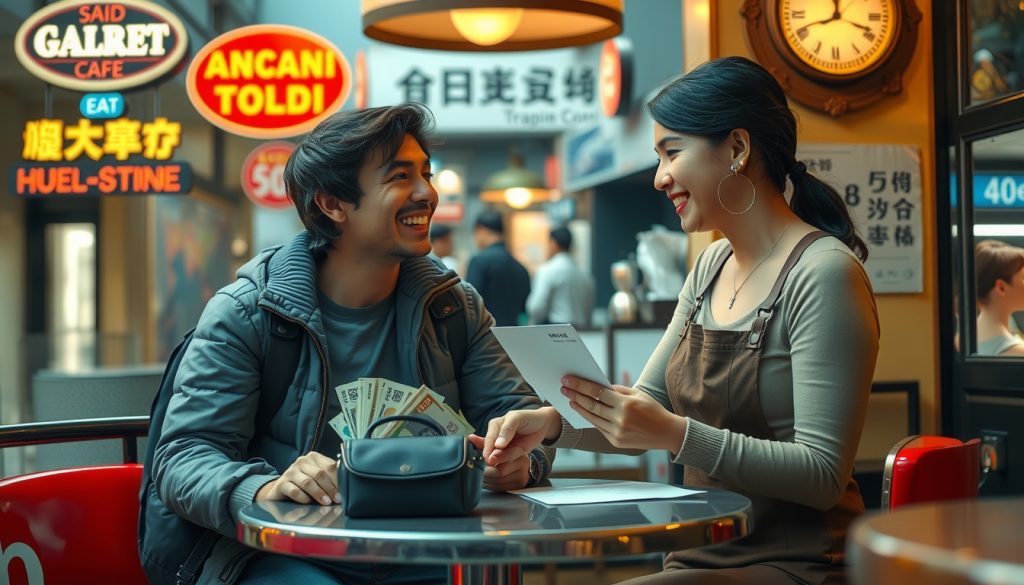
Europe takes a more restrained approach to tipping.
Restaurants often include a service charge in the bill.
If not, rounding up or leaving 5–10% is sufficient.
France and Italy appreciate small coins rather than large sums.
Scandinavia rarely expects tips because wages are high.
Taxi drivers may expect you to round up the fare.
Hotel staff appreciate gestures, but not extravagant amounts.
Generosity is welcome, but not required.
Everyday Tipping in Europe
Restaurants: 5–10% or rounding up.
Cafés: Leave small change.
Taxis: Round up to the nearest euro.
Hotels: €1–€2 per bag for porters.
Housekeeping: €1–€2 per night.
Tour guides: €5–€10 per person.
Tipping is modest and situational.
Excessive tips may feel awkward.
Europe Takeaways
- Service charges are often included in bills.
- Small, symbolic tips are appreciated.
- Over‑tipping can feel uncomfortable.
Asia: When Tipping Can Be Offensive

Asia presents a patchwork of customs.
Japan considers tipping rude and unnecessary.
Good service is already included in the price.
China rarely expects tips outside tourist areas.
Southeast Asia appreciates small gestures but doesn’t demand them.
India expects tips in restaurants and hotels.
Tour guides and drivers often rely on gratuities.
Knowing the difference prevents cultural missteps.
Everyday Tipping in Asia
Japan: No tipping—say thank you instead.
China: Rare, except in tourist hotels.
Thailand: Round up small bills in restaurants.
Vietnam: 5–10% in tourist areas.
India: 10% in restaurants, plus tips for porters and drivers.
Indonesia: 5–10% in restaurants.
Philippines: 5–10% in restaurants and hotels.
Tipping varies widely across the continent.
Asia Takeaways
- Japan and China: tipping is rare or offensive.
- Southeast Asia: small tips are appreciated.
- India: tipping is expected in most services.
Middle East and Africa: Gratitude as a Way of Life
In many Middle Eastern and African countries, tipping is part of daily life.
Egypt expects small tips (baksheesh) everywhere.
Morocco favors rounding up.
South Africa considers 10–15% standard in restaurants.
Hotel staff, drivers, and guides often rely on tips.
Generosity is seen as a sign of respect.
Travelers should carry small bills and coins.
Tipping is not just polite—it’s essential.
Everyday Tipping in Middle East & Africa
Egypt: 5–10% in restaurants, plus small tips for daily services.
Morocco: Round up or leave 5–10%.
South Africa: 10–15% in restaurants, plus tips for parking attendants.
Kenya: 10% in restaurants, plus safari guide tips.
UAE: 10% in restaurants, plus tips for hotel staff.
Turkey: 5–10% in restaurants, plus small tips for porters.
Tipping is widespread and expected.
Carry cash for convenience.
Middle East & Africa Takeaways
- Tipping is part of daily life.
- Small bills and coins are essential.
- Generosity is seen as respect.
Latin America: Blending Customs
Latin America blends North American and European traditions.
Brazil often includes 10% in the bill.
Argentina expects 10% in restaurants.
Chile considers 10% standard unless service is poor.
Peru appreciates rounding up.
Caribbean nations mirror U.S. customs.
Tourism‑heavy areas expect higher tips.
Outside cities, tipping may be less common.
Always check if service is included.
Everyday Tipping in Latin America
Brazil: 10% service charge included.
Argentina: 10% in restaurants.
Chile: 10% unless service is poor.
Peru: Round up or 10%.
Caribbean: 15–20% in restaurants.
Mexico: 10–15% in restaurants, plus tips for porters.
Costa Rica: 10% service charge included, plus small tips.
Tipping varies by country and region.
Latin America Takeaways
- 10% is a safe standard.
- Caribbean nations expect higher tips.
- Always check for service charges.
FAQ – How Much Should You Tip Around the World Without Getting the Local Custom Wrong?
Why Do Tipping Customs Change So Much from Country to Country?
Tipping reflects local wages, service practices, labor laws, and cultural expectations.
In places where service workers depend heavily on gratuities, tipping can feel like an expected part of the transaction.
Elsewhere, service may already be built into prices or staff compensation, making large additional tips unnecessary.
Treat local tipping customs as part of the destination’s culture rather than assuming generosity is measured the same way everywhere.How Much Should You Tip at Restaurants in the United States and Canada?
Restaurant tipping is widely customary in both countries, particularly for table service.
A percentage-based gratuity is common, with the exact amount depending on the service, local norms, and whether gratuity has already been added.
Check the bill carefully before calculating anything because restaurants may automatically add service charges or gratuities for larger groups or specific situations.
Build restaurant tips into your food budget instead of treating them as an unexpected extra at the end of every meal.How Does Restaurant Tipping Work in Europe?
There is no single European tipping rule.
Some countries commonly include service in restaurant pricing, while others favor rounding up or leaving a modest additional gratuity for good service.
Customs in France, Italy, Scandinavia, Germany, the United Kingdom, and other destinations should not be assumed to be identical.
Check the bill first, then follow the local custom rather than automatically applying the percentage you would use at home.Should You Tip in Japan?
Routine tipping is generally not expected in Japan.
Restaurants, taxis, hotels, and many other service businesses normally expect you to pay the amount shown rather than add a standard gratuity.
Trying to leave money behind can sometimes cause confusion because staff may believe you accidentally forgot it.
A sincere thank-you is usually a more natural way to show appreciation, although a few specialized situations can follow different customs.What Should You Do When a Restaurant Bill Already Includes a Service Charge?
First determine what the charge represents.
When gratuity or service has already been included according to local practice, you generally do not need to add the same percentage again automatically.
You can still leave something extra when local custom supports it and the service was exceptional.
When the wording is unclear, ask the server or hotel staff rather than guessing and accidentally paying twice.How Much Should You Tip Hotel Porters and Housekeeping Staff?
Hotel tipping depends heavily on the destination and type of property.
Where tipping is customary, porters are often tipped according to the amount of luggage handled, while housekeeping gratuities are commonly left in smaller amounts during the stay.
Daily housekeeping tips can make it clearer which employee the money is intended for when staffing changes from one day to another.
Use local currency and check destination-specific norms because hotel gratuities that are routine in one country may be unusual in another.Should You Tip Taxi and Rideshare Drivers While Traveling?
That depends on local practice.
Some destinations commonly use percentage-based tips, while others simply round the fare upward or do not expect a gratuity at all.
Rideshare apps may present a tipping option even in places where tipping is not culturally expected, so the presence of a button should not be treated as proof that a tip is required.
Check local norms and consider service factors such as luggage assistance or unusually helpful service.How Should You Tip Tour Guides and Drivers?
Guided tours often have different gratuity expectations from restaurants.
The appropriate amount can depend on the country, tour length, group size, whether the experience is private, and whether both a guide and separate driver are involved.
Multi-day tours may also have suggested per-day amounts that differ from a short walking tour.
Review the operator’s guidance and local expectations before departure so you are not trying to calculate several gratuities at the end of the experience.Do You Need to Carry Cash for Tips When Traveling Internationally?
Some cash is useful even when you pay for most of the trip by card.
Porters, housekeeping staff, local guides, attendants, and drivers may not have an easy way to receive a digital gratuity.
Small denominations are especially convenient because they prevent you from having to over-tip simply because you cannot make change.
Keep the amount modest and secure rather than carrying a large supply of cash solely for gratuities.What Is the Simplest Way to Get Tipping Right in Any Country?
Check the local custom before you arrive, then verify whether service has already been included before adding a gratuity.
Learn the usual expectations for restaurants, hotels, taxis, and tours separately because they may not follow the same rules.
Carry a few small notes in local currency and ask when the situation remains unclear.
The best tipping strategy is not finding one percentage that works everywhere; it is adjusting your behavior enough to match the place you are actually visiting.