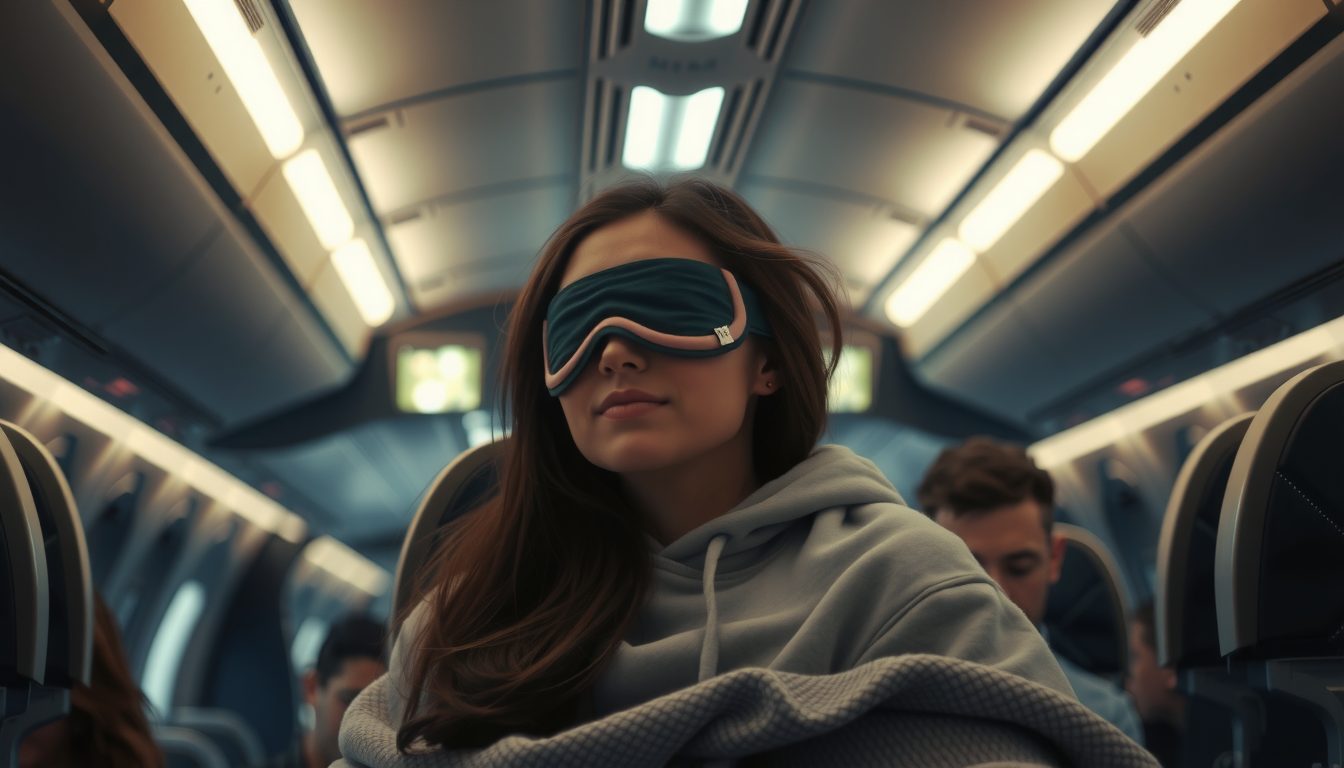
A red-eye is not hard because it is overnight.
It is hard because everything you normally do at night happens in public.
You try to rest while people are moving around you.
You manage your body in dry air.
You negotiate light, noise, and limited space with strangers who are also tired.
That is why red-eyes feel either surprisingly smooth or quietly miserable.
The difference is rarely luck.
It is usually a small set of rules that protect your sleep and your sanity.
Follow these seven, and the whole night becomes easier.
Rule One: Choose A Flight Time That Matches Real Sleep
The first rule is the one people skip because they want the cheapest fare.
Not every red-eye is a real red-eye.
Some depart too early, so you sit awake for hours before you can sleep.
Some depart too late, so everyone is overtired and restless right when the cabin needs to settle.
The sweet spot is a departure that lets you wind down naturally.
Later departures often help because your body has built sleep pressure.
Arrival timing matters too.
A landing that gives you daylight and a manageable first hour is a gift.
A landing that drops you into a hectic schedule with no buffer can make the whole trip feel harder.
If you can choose, aim for a schedule that supports a calm bedtime routine and a gentle arrival.
That is what makes the night feel like a tool, not a punishment.
Timing Wins
Sleep Pressure Matters
Later departures often make it easier to fall asleep because your body is ready.
Not Every Fare Is Worth It
A cheap time slot can cost you the next day when you cannot sleep.
Arrival Buffers Help
An extra hour of breathing room after landing can prevent a stress spiral.
Match The Night
Choose a red-eye that fits your real sleep window, not an imagined one.
Rule Two: Pack A Sleep Pouch And A Landing Pouch
Red-eye misery is often just missing one small thing.
Your lips are dry and your balm is buried.
Your charger is deep in your bag.
Your layers are under everything.
So the second rule is organization, not more stuff.
Use two small pouches inside your carry-on.
One is the sleep pouch.
Eye mask, earplugs or comfortable headphones, lip balm, a small moisturizer, tissues, and one calming offline audio option.
The other is the landing pouch.
Toothbrush, face wipes, deodorant, a clean top layer, and any essentials you want right after you wake.
This keeps you from digging through a bag in the dark.
It also reduces the chance you wake your row just to find a cable.
The pouch system is simple.
It works when you are tired.
And it makes you feel far more organized than you actually had to be.
Packing Wins
Two Pouches Prevent Panic
Separating sleep items from landing items stops late-night rummaging.
Access Beats Quantity
One well-placed item is better than ten items buried at the bottom.
Red-Eyes Are Dry
Lip balm and a small moisturizer can change how you feel by morning.
Landing Is Part Of The Night
A quick reset kit helps you feel ready to move forward after you wake.
Rule Three: Control Light And Noise Like You Mean It
You cannot control the cabin, but you can control your signals.
Light tells your brain it is daytime.
Noise spikes tell your brain to stay alert.
If you try to sleep without addressing those, you will doze and wake and doze again.
That kind of sleep feels worse than less sleep.
So treat light and noise control as core red-eye gear.
An eye mask is one of the highest value items you can carry.
Earplugs are cheap and effective because they blunt sudden spikes.
If you use headphones, choose comfort over style.
And download your audio before the airport.
Do not depend on unstable Wi-Fi at midnight.
The point is creating a steady environment your brain can trust.
Steady environments produce deeper rest.
Deep rest is what you want.
Light And Noise Wins
Darkness Is A Cue
Blocking flashes and screens helps your brain commit to sleep sooner.
Spikes Wake You
Earplugs reduce sudden noise bursts that cause repeated wakeups.
Comfort Beats Fancy
Headphones only help if you can wear them while resting.
Offline Planning Works
Downloaded content prevents last-minute Wi-Fi spending and frustration.
Rule Four: Treat Your Seatmate Like A Human And The Cabin Gets Calmer
Overnight flights run on a simple social contract.
Everyone wants rest.
Everyone is tired.
Everyone is sharing limited space.
So etiquette is not about being polite for politeness’ sake.
It is about making your night easier by making the row calmer.
If you need to get up, do it once, not six times.
If you want to recline, do it gently and early, not suddenly at midnight.
If you use a screen, dim it.
If you have a phone call at the gate, use headphones and keep it short.
Inside the cabin, talk quietly and avoid bright overhead lights unless you truly need them.
The more you reduce disruption, the more the entire cabin settles.
And when the cabin settles, you sleep better.
This is selfish etiquette in the best way.
It protects your rest too.
Cabin Courtesy
Move With Intention
Fewer up-and-down trips reduces disruption for you and your row.
Recline With Respect
A slow, early recline avoids startling the person behind you.
Dim Screens Help Everyone
Bright screens late at night keep other brains awake too.
Quiet Creates Sleep
When the row feels calm, sleep becomes more likely for everyone.
Rule Five: Eat And Drink Like You Want to Sleep
Food and drink choices on red-eyes feel small, but they shape comfort.
A heavy meal can keep you restless.
A salty snack can make dryness feel worse.
Too much caffeine can steal your sleep window entirely.
So the rule is simple.
Keep food moderate.
Hydrate steadily earlier, then lighten up during your sleep window.
Bring a refillable bottle and fill it after security.
Pack one or two stable snacks so you do not panic-buy airport food.
Avoid sugar spikes because they crash hard on short sleep.
If you want coffee, time it early enough that it does not follow you into the cabin night.
This is not about being strict.
It is about setting your body up to downshift.
Bodies downshift more easily when they are not fighting digestion and dehydration at the same time.
Food And Hydration Wins
Moderate Meals Sleep Better
Heavy meals often lead to restless sleep and discomfort overnight.
Water Is A Comfort Tool
Hydration reduces headaches and dry-air fatigue after landing.
Snacks Prevent Impulse Spending
A simple snack plan keeps you stable and saves money.
Caffeine Timing Matters
Late caffeine can steal sleep even when you feel exhausted.
Rule Six: Use Arrival Day Strategy So The Red-Eye Pays Off
Red-eyes are often chosen because they “save time.”
That only happens if your arrival day works.
If you land exhausted and drift, you waste the hours you gained.
So build a simple arrival plan before you fly.
Know where you are going first.
Know how you will get there.
Know what you will do if your room is not ready.
If you arrive early and cannot check in, Radical Storage can help you stash bags and move freely.
That can be cheaper than paying for early check-in and easier than dragging luggage around.
If you are planning sightseeing, reduce decision fatigue with pre-booked options.
GetYourGuide and Viator can help you pick clear meeting points and simple experiences.
Go City passes can reduce ticket lines in some destinations.
Big Bus Tours can be a gentle way to see highlights when you are tired and want to sit.
The goal is not doing a lot on day one.
The goal is staying awake comfortably until a reasonable bedtime.
That is how you reset quickly.
Arrival Wins
Arrival Needs A Plan
A simple first-hour plan prevents drifting and wasting the day you gained.
Bags Should Disappear
Storage options can keep you mobile and calmer during early arrival gaps.
Reduce Decisions Early
Pre-booking can prevent arguments and fatigue when you are tired.
Protect Bedtime
Arrival day is designed to support night one sleep, not to exhaust you.
Rule Seven: Protect Your Money and Your Options
The last rule is the one people forget because it feels boring.
Red-eyes run late.
They also have fewer backup options if something goes wrong.
If the last flight of the night cancels, you might be stuck until morning.
That can create surprise costs.
Meals, transportation, and sometimes a hotel.
So protect your exposure.
Choose itineraries with fewer connections when you can.
Avoid overly tight layovers on overnight routes.
If a disruption would wipe out prepaid plans, consider coverage that matches the stakes.
World Nomads, VisitorsCoverage, Ekta, and Insubuy are worth comparing when you want travel insurance options.
If you are dealing with major delays or cancellations that may qualify for compensation pathways, AirHelp and Compensair can help you understand and pursue eligible support in some cases.
This is not about assuming disaster.
It is about keeping a disruption from turning into an expensive mess.
When you have options, you stay calmer.
And calm is a real travel skill on overnight flights.
Money And Options
Overnight Has Fewer Backups
Late-night disruptions can be more expensive because alternatives are limited.
Buffers Beat Bargains
A slightly longer layover can prevent costly missed-connection chaos.
Coverage Matches Stakes
Insurance is most useful when a disruption would wipe out your trip budget.
Support Can Help
Compensation tools can reduce losses when delays cause major disruption.
Red-Eyes Feel Easy When You Follow The Same Seven Rules
A red-eye does not need to feel like endurance travel.
It can be a calm, predictable routine you repeat whenever you fly overnight.
Choose timing that matches real sleep.
Pack two pouches so essentials stay reachable.
Control light and noise so your brain trusts the environment.
Treat your row with respect so the cabin settles faster.
Eat and hydrate like you want to sleep.
Plan arrival day so the time savings becomes real.
Protect your money so disruptions do not turn into chaos.
Do that, and you will land feeling calmer than most people expect from an overnight flight.
FAQ – Sleep Better on Red-Eye Flights: Rested Arrival Strategies & Smart Packing Tips
How can I actually sleep on a red-eye flight?
Use a firm travel pillow and noise-masking earplugs to support head and ear comfort.
Wear a lightweight eye mask and choose a window seat to reduce disturbances and control light.
Adjust your seat and body position to minimize strain and streamline circulation during sleep.
Bring a thin blanket or layered clothing to regulate temperature and improve rest.What should I pack in my carry-on to arrive feeling refreshed?
Pack a compact toiletry kit with face wipes and a travel toothbrush to refresh on arrival.
Include compression socks and a reusable water bottle to reduce swelling and hydrate.
Store essential sleep aids like earplugs, an eye mask, and a neck pillow in an easy-access pocket to streamline retrieval.When should I try to sleep versus stay awake before a red-eye?
Aim to shift your sleep schedule gradually two nights before travel to align with your destination time.
If your flight departs late local time, rest lightly in the evening and plan to sleep on the plane to optimize circadian adjustment.
Avoid heavy naps within three hours of departure to reduce sleep fragmentation and support deeper in-flight rest.How do I choose the best seat for sleeping on a red-eye?
Select a window seat to lean against and avoid aisle traffic that interrupts sleep.
Choose seats away from lavatories and galleys to reduce noise and movement and improve calm.
If possible, reserve bulkhead or exit-row seats only if you can fully recline without blocking others to maintain comfort.Are sleep aids or medication recommended for red-eye flights?
Consult your healthcare provider before using prescription or over-the-counter sleep aids to ensure safety.
Consider short-acting options only when medically approved to minimize grogginess on arrival and support alertness.
Use non-pharmacological strategies first, such as melatonin timing, to help reset your sleep-wake cycle and reduce reliance on drugs.How can I manage jet lag after a red-eye to feel alert sooner?
Expose yourself to natural daylight at your destination to reset your circadian rhythm and accelerate adaptation.
Schedule light activity and short naps under 30 minutes to restore energy without disrupting nighttime sleep.
Adjust meal times and caffeine intake to align with local time and support daytime alertness.What in-flight habits reduce discomfort and improve sleep quality?
Hydrate consistently and avoid excessive alcohol or caffeine to reduce sleep disruption and dehydration.
Move and stretch periodically to support circulation and reduce stiffness during long flights.
Use layered clothing to adapt to cabin temperature and maintain comfort throughout the flight.Is it safe to travel on a red-eye during hurricane season?
Check airline advisories and airport status before departure to confirm flight operations and potential delays.
Purchase flexible tickets or travel insurance that covers weather disruptions to protect your itinerary and reduce stress.
Monitor official weather updates and coordinate with your airline for rebooking options if a hurricane threatens your route.How do I prepare my body the day of a red-eye to maximize sleep chances?
Eat a light, balanced meal several hours before departure to avoid digestive discomfort during sleep.
Limit stimulants and hydrate steadily throughout the day to support restful sleep onset on the plane.
Engage in gentle movement or relaxation techniques before boarding to lower arousal and prepare for sleep.What quick recovery steps help me land calm and ready to go?
Freshen up immediately after landing with face wipes and a brief wash to feel alert and composed.
Take a short, strategic nap of 20–30 minutes if needed to restore focus without deep sleep inertia.
Plan low-effort activities and light meals for the first hours after arrival to support gradual recovery and energy restoration.