Short Excerpt
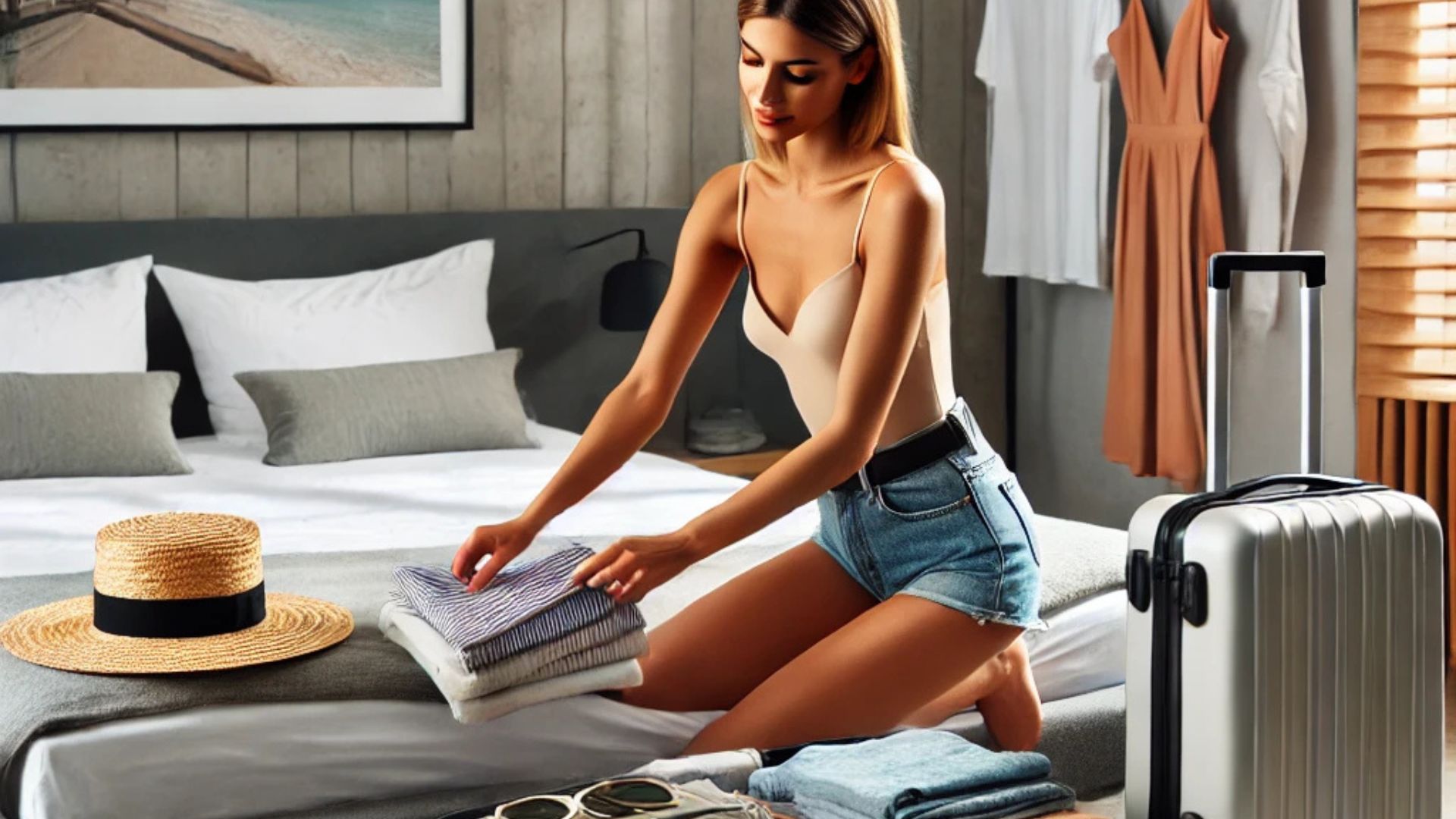
- Avoiding overpacking starts with deciding what the trip actually requires before clothes, shoes, and “just in case” items begin filling your suitcase.
- A smaller bag, versatile clothing, limited footwear, travel-size toiletries, and planned laundry can reduce luggage without sacrificing essentials.
- Leave deliberate room for souvenirs so the return trip does not become a struggle with an overstuffed or overweight suitcase.
Quick Take
- Build a packing list around planned activities, weather, and trip length before choosing extra items.
- Use your suitcase size as a limit rather than filling a larger bag simply because space is available.
- Pack clothing that works across multiple outfits and activities instead of creating a separate outfit for every day.
- Limit bulky shoes and wear your heaviest practical pair while traveling when that makes sense.
- Plan laundry on longer trips so the amount of clothing you pack does not increase with every additional day.
Pack Lighter by Giving Every Item a Reason to Be in Your Suitcase
Overpacking usually does not happen because travelers cannot fit their essentials into a suitcase.
It happens when necessary items get mixed with backups, extra outfits, duplicate toiletries, too many shoes, and things packed for situations that probably will not occur.
A better approach is to decide what the trip will actually demand before opening the suitcase.
Start with the length of the trip, expected weather, planned activities, airline baggage limits, access to laundry, and whether you expect to bring purchases home.
Then build a packing list around those realities instead of packing directly from your closet.
Clothing becomes easier to control when several pieces can work together.
Rather than creating a completely different outfit for every day, choose tops and bottoms that can be mixed, layered, dressed up, or worn casually depending on the itinerary.
Shoes deserve even stricter limits because a few bulky pairs can consume an enormous portion of your available space.
Bring footwear that solves specific needs, such as comfortable walking shoes and an option suitable for dinners or more polished activities, instead of packing several pairs for minor style differences.
Your suitcase can also help enforce better decisions.
Choosing a bag that suits the trip gives you a physical boundary, while automatically reaching for your largest suitcase makes it easier to add things simply because there is still room.
Packing cubes can organize clothing and make your available space easier to see, although standard cubes should be treated primarily as organizers rather than a guarantee that everything will take up dramatically less room.
For longer trips, laundry can change the entire packing calculation.
Washing a few pieces midway through the trip lets you reuse clothing instead of packing a fresh outfit for every day you will be away.
Finally, stop packing before the suitcase is completely full.
Leaving extra room gives you space for souvenirs, purchases, or clothing that may not pack quite as neatly on the return trip.
The goal is not to travel with the smallest bag possible.
It is to bring what supports your trip without spending the entire journey hauling things you never use.
Avoid Overpacking: Save Money, Reduce Stress & Travel Freely
The consequences of overpacking go beyond lugging a heavy suitcase.
Excess baggage can lead to:
- Extra Costs: Many airlines charge hefty fees for overweight luggage. Overpacking also means you may be forced to check additional bags, resulting in more fees.
- Inconvenience: Navigating airports, public transportation, or even cobblestone streets with too much luggage can quickly become overwhelming.
- Misplaced Items: Overpacking often results in disorganized luggage, making it difficult to find what you need when you need it.
Packing light can save you money, time, and stress.
Let’s get into the nitty-gritty of how to pack smartly and efficiently, so you can focus on enjoying your trip.
Choose Smart Luggage: Travelpro Bags That Prevent Overpacking
Before you even begin selecting what to pack, choosing the right luggage is essential.
Your suitcase is the foundation of your packing experience.
A well-designed piece of luggage can make all the difference in helping you avoid overpacking.
Pick the Right Material: Hard-Shell Protection vs. Soft-Sided Flexibility
When picking luggage, consider the nature of your trip. Hard-shell luggage is durable and offers better protection for fragile items but can be less flexible.
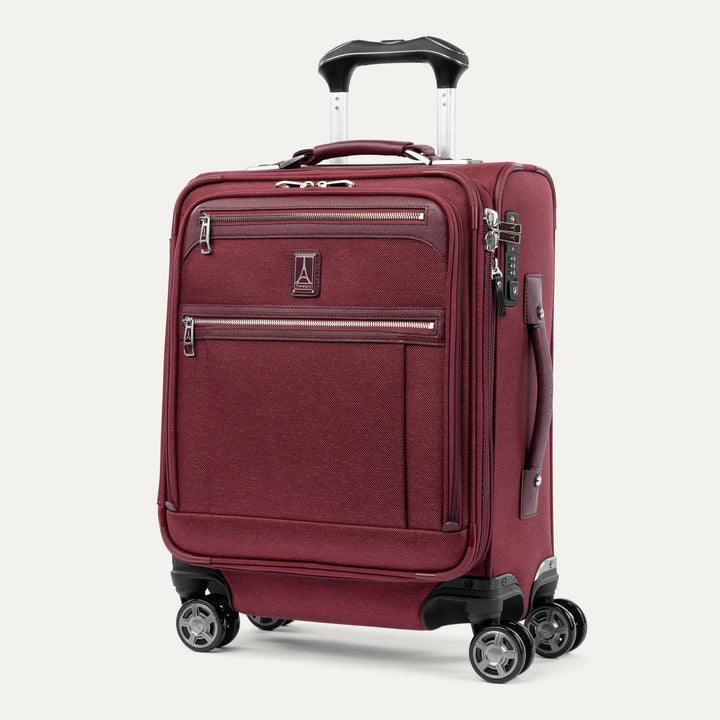
If you’re someone who likes to pack strictly within limits, a hard-shell option like the Travelpro® Platinum Elite Expandable Hardside Spinner is a great choice.
This suitcase prevents overpacking by providing a structured space and a built-in expansion feature that gives you a bit of extra room without going overboard.
On the other hand, soft-sided luggage is more flexible and can offer extra room when you’re in a pinch.
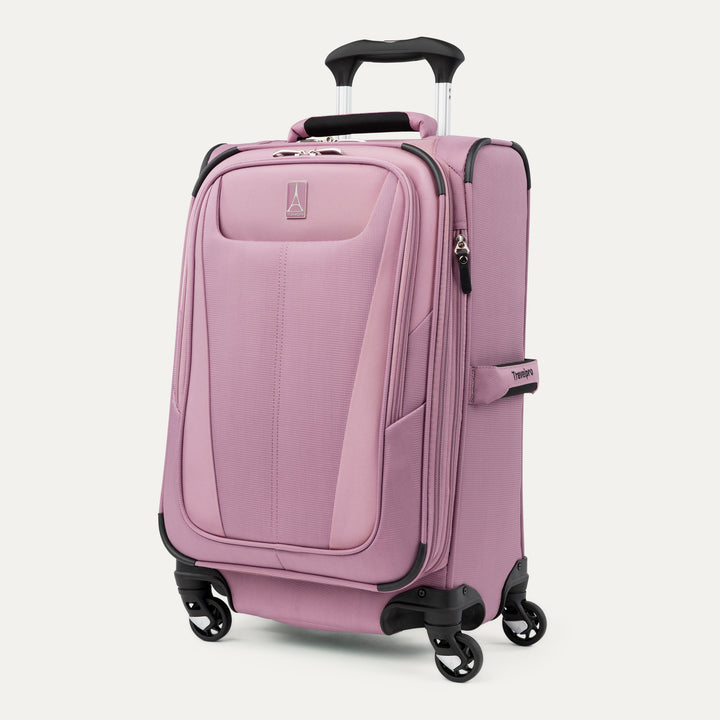
The Travelpro® Maxlite® 5 Softside Carry-On is an ideal option for travelers looking for a lightweight, expandable bag that can handle last-minute additions without becoming unwieldy.
Its featherweight build makes it easy to transport while ensuring you can pack efficiently.

Select the Right Size: Suitcases That Support Packing Discipline
Choosing the right size of luggage is one of the most effective ways to prevent overpacking.
The bigger your suitcase, the more likely you are to fill it with unnecessary items. Opting for a carry-on forces you to be selective and pack only what you truly need.
A great option is the Travelpro® Crew™ VersaPack™ Global Carry-On Spinner, which has built-in organizers to help keep your items tidy and limited to essentials.
For longer trips or when a checked bag is unavoidable, consider a mid-sized suitcase like the Travelpro® Platinum Elite Expandable Spinner.
It offers enough space for a well-organized pack, but its compact nature will encourage you to think twice before adding extra items.


Follow Airline Rules: Stay Within Limits & Avoid Baggage Fees
Each airline has different baggage policies, so it’s crucial to check their weight and size restrictions before packing.
Adhering to these limits can help you avoid the temptation of overpacking, and save you from unexpected fees.
Travel Light: Carry-On Bags That Save Time & Eliminate Stress
The best way to avoid overpacking is to stick with a carry-on bag.
Not only does this limit how much you can bring, but it also eliminates the risk of lost luggage and extra baggage fees.
The Travelpro® Maxlite® 5 International Carry-On Spinner is an excellent choice because it meets most international carry-on size requirements, keeping you within airline limits while offering plenty of space for your essentials.
Weigh Bags Early: Avoid Overweight Fees & Last-Minute Panic
If you must check a bag, make sure to weigh your luggage before you head to the airport.
Overweight fees can be exorbitant, and they’re often avoidable by weighing your suitcase in advance.
A Digital Luggage Scale is an easy-to-use tool that ensures your bag is within the weight limits, helping you avoid last-minute panic.
Match Packing to Trip Length: Short, Long & Multi-Climate Travel
The length of your trip will largely dictate how much you need to pack.
However, packing lightly doesn’t mean you have to sacrifice comfort.
The key is to pack versatile items and plan smartly, regardless of the trip’s length.
Packing for Short Trips (3-5 Days)
For shorter trips, you can easily get away with a well-packed carry-on.
Create a capsule wardrobe—a selection of clothing that can be mixed and matched to create multiple outfits.
Stick with neutral colors and lightweight fabrics that can transition between different activities.
With a suitcase like the Travelpro® Platinum Elite Carry-On, you’ll have plenty of space for a pair of shoes, toiletries, and your wardrobe essentials.

Packing for Longer Trips (7+ Days)
Longer trips often tempt people to overpack, but even for extended travel, you can pack lightly.
The trick is to bring fewer clothing items that can be layered and worn in different ways.
Plan to do laundry during your trip, which means you can reuse outfits without the need for overpacking.
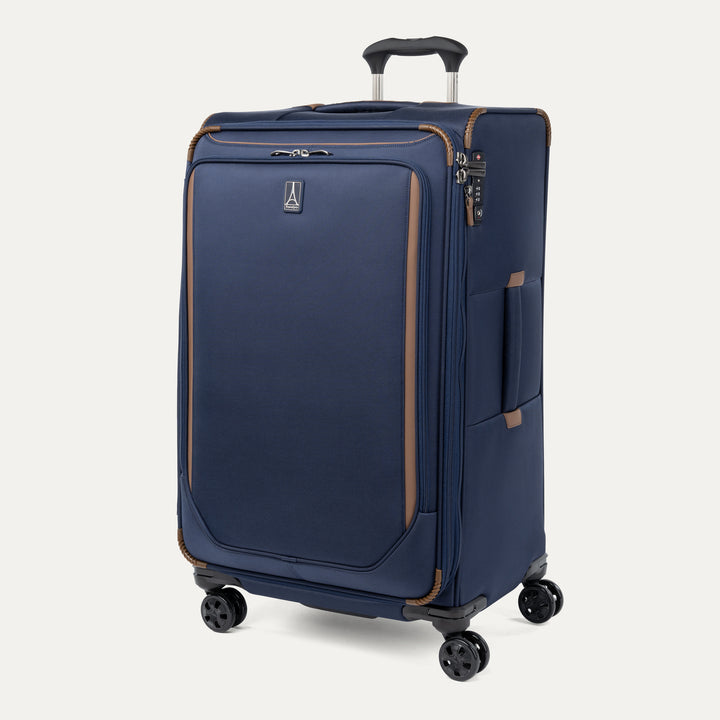
The Travelpro® Crew™ VersaPack™ Max Expandable Spinner offers just the right amount of space for longer trips, along with built-in organizational features to ensure you stay efficient.
Packing for Different Climates
When packing for varied climates, it’s tempting to bring too much, but layering is your friend here.
For warm destinations, focus on lightweight, breathable fabrics. For colder climates, bring layers that can be mixed and matched.
A lightweight, packable down jacket is ideal for cooler weather—it’s warm yet compressible, allowing you to stay comfortable without overfilling your luggage.
Pack Smarter: Tips That Save Space & Keep Travel Stress-Free
1. Start With a Packing List
One of the easiest ways to avoid overpacking is to make a packing list.
Write down everything you think you’ll need, then go through and cross out anything that isn’t essential.
This exercise forces you to focus on the necessities, making it less likely that you’ll throw in extra items at the last minute.
2. Use Packing Cubes
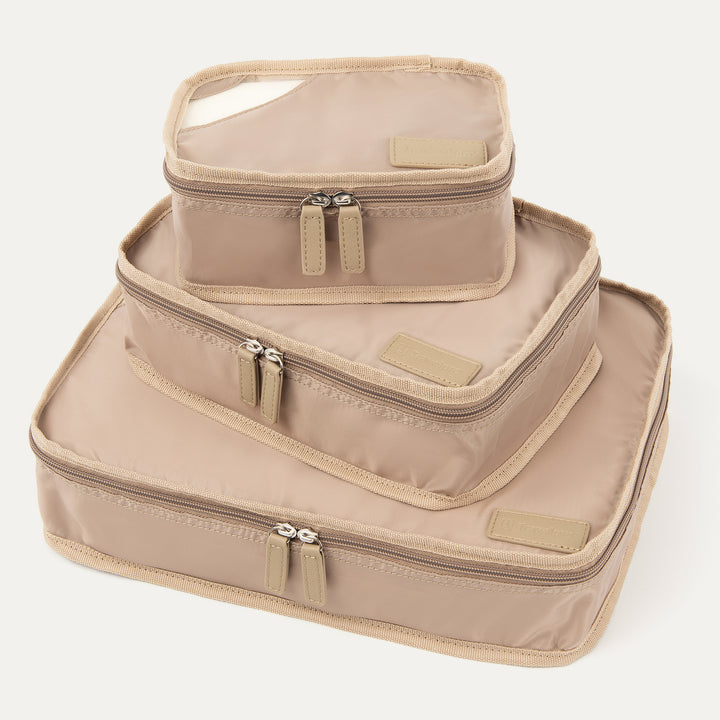
Packing cubes are a fantastic tool for staying organized and efficient.
They help compress your clothing and keep everything in its place.
The Travelpro® Packing Cube Set offers a variety of sizes to help you separate your clothing and maximize space.
Using cubes makes it easy to avoid overpacking because you can visually see how much room you have left.
3. Limit Footwear
Shoes are bulky and can quickly lead to overpacking.
Limit yourself to two or three pairs—one for walking, one for evenings or formal occasions, and possibly a pair of sandals for warm destinations.
Each pair should serve multiple purposes, and make sure to pack them in a way that utilizes the space inside them (e.g., stuff shoes with socks or small accessories).
Wear your bulkiest pair on the plane to free up room in your luggage.
4. Pack Dual-Purpose Clothing
Opt for clothing that can serve more than one function.
For example, a dress that can be dressed up for dinner or worn casually during the day, or a pair of pants that work for both sightseeing and lounging.
Packing versatile clothing minimizes the number of outfits you need while still giving you options.
5. Roll, Don’t Fold
Rolling your clothes rather than folding them can save a significant amount of space.
Rolled clothing takes up less room and is less likely to wrinkle.
Combine rolling with packing cubes to get the most out of your luggage space.
6. Minimize Toiletries
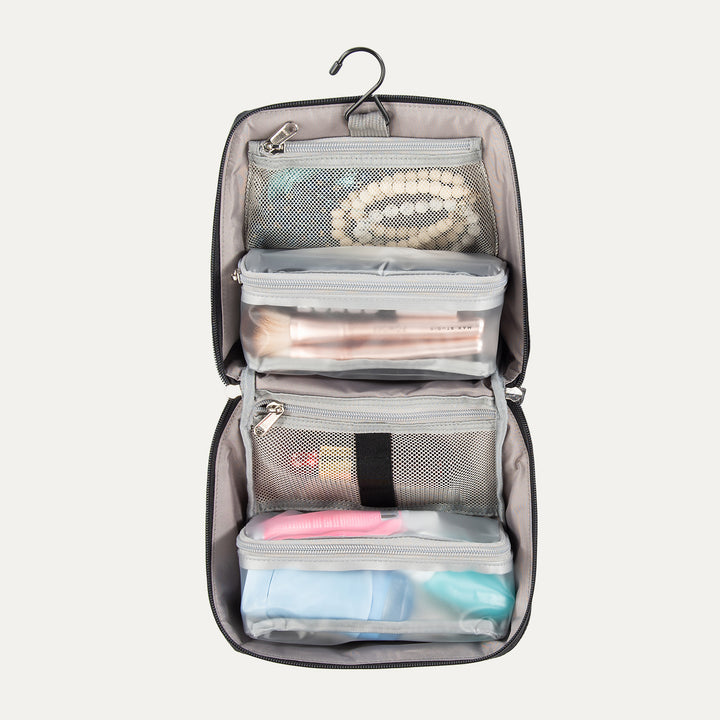
Toiletries can easily bulk up your bag, especially if you’re bringing full-sized products.
Opt for travel-sized bottles or transfer your essentials into reusable travel containers like the Travelpro® Essentials™ MaxAccess Cubes™ Deluxe Hanging Toiletry Organizer.
This will save space and ensure you meet TSA requirements.
Additionally, many hotels provide basic toiletries, so you might not need to bring your own shampoo, conditioner, or soap.
7. Plan for Laundry
If you’re going on a longer trip, plan to do laundry.
Whether you use your hotel’s laundry services or find a laundromat, washing clothes mid-trip can dramatically reduce how much you need to pack.
You can bring fewer outfits and reuse them, cutting down on the bulk and allowing you to travel with a smaller suitcase.
8. Leave Room for Souvenirs
One of the biggest mistakes travelers make is overpacking and leaving no room for souvenirs.
If you know you’ll want to pick up gifts or mementos, make sure to leave space in your suitcase.
Opt for a bag like the Platinum® Elite Business Backpack that has expandable features, so you can create extra room when needed.
Alternatively, pack a lightweight foldable tote bag that you can use to carry your souvenirs on the return trip.
Leaving room for souvenirs not only ensures you can bring back treasured items but also prevents the stress of trying to stuff last-minute purchases into an already full suitcase.

Pack Smart: Travelpro Accessories That Streamline Every Trip
In addition to choosing the right luggage and packing techniques, using travel accessories can streamline the packing process and help you avoid overpacking.
Avoiding overpacking requires a balance of planning, discipline, and smart choices.
By choosing the right luggage, like those offered by Travelpro, and using accessories like packing cubes and lightweight containers, you can optimize your space without sacrificing essentials.
And Travelpro offers FREE SHIPPING on all orders over $99!
So, basically free shipping on almost everything.
Remember to pack versatile clothing, limit footwear, and plan for laundry when necessary.
Most importantly, leave room for souvenirs—you don’t want to come home from your trip without a little something to remember it by!
The next time you pack for a trip, follow these tips to streamline your packing process, travel light, and enjoy a hassle-free journey.
With the right strategies, you’ll be able to say goodbye to overpacking for good.
FAQ – What Actually Helps You Pack Lighter Without Leaving Essentials Behind?
Why Do Travelers End Up Overpacking in the First Place?
Overpacking often begins with uncertainty rather than genuine need.
Extra outfits, backup shoes, duplicate toiletries, and “just in case” items accumulate because travelers try to prepare for every possibility instead of the situations their itinerary is likely to create.
Starting with planned activities, expected weather, trip length, and access to laundry gives each item a reason to earn space in the suitcase.
A packing list also makes unnecessary duplication easier to recognize before the bag is full.Does Using a Smaller Suitcase Really Help Prevent Overpacking?
It can because a smaller suitcase creates a physical limit that forces you to make decisions earlier.
A large checked bag may encourage you to keep adding clothing or shoes simply because empty space remains.
Choosing luggage that matches the trip helps shift the question from “What else can I fit?” to “What will I actually use?
”
The suitcase should support your packing strategy rather than determine how much you feel obligated to bring.How Much Clothing Should You Pack for a Three-To-Five-Day Trip?
Focus on complete outfit combinations rather than automatically packing one entirely different outfit for every day.
A small group of coordinating tops and bottoms can produce several combinations without taking up the space of separate looks.
Add clothing required for specific activities, dinners, weather conditions, or events after the core wardrobe is established.
This approach gives you flexibility while making it easier to identify pieces that serve only one unlikely purpose.How Can You Pack Light for a Trip Lasting a Week or Longer?
Laundry is one of the most effective ways to keep a longer trip from requiring a much larger wardrobe.
Washing clothing during the trip allows shirts, pants, undergarments, and other basics to be reused instead of multiplying with every additional travel day.
Versatile layers can also cover changing temperatures while creating different combinations from fewer individual pieces.
Extended travel does not automatically require a large suitcase if you are willing to repeat, remix, and wash clothing.How Do You Pack for Different Climates Without Bringing Too Much?
Build around layers rather than packing completely separate wardrobes for every temperature you may encounter.
Lightweight base pieces can work alone in warmer conditions and underneath sweaters, jackets, or other layers when temperatures fall.
Look closely at the actual forecast and itinerary so you are preparing for realistic conditions rather than every type of weather the destination could theoretically experience.
Compressible outerwear can also preserve valuable suitcase space when colder conditions are part of the trip.Do Packing Cubes Actually Help You Avoid Overpacking?
Packing cubes can make it easier to organize clothing and see how much space each category is consuming.
Assigning specific cubes to tops, bottoms, undergarments, or other groups can also create useful limits once a category has reached its allotted space.
Standard packing cubes primarily provide organization, while compression-style cubes are specifically designed to reduce the volume occupied by softer items.
Neither type should become an excuse to squeeze more unnecessary clothing into the same suitcase.How Many Pairs of Shoes Should You Pack for a Trip?
Start with the activities on your itinerary rather than an arbitrary number of pairs.
Many trips can be covered with comfortable walking shoes and one additional option for dinners, formal occasions, beaches, or another specific need.
Every additional pair should solve a problem that your existing footwear cannot reasonably handle.
Wearing your bulkiest practical shoes during transit can also preserve suitcase space when the pair is comfortable enough for the travel day.Is Rolling Clothes Better Than Folding Them?
Rolling can work particularly well for casual clothing and can make smaller items easier to arrange inside a suitcase.
Folding may be preferable for structured garments or clothing that you want to keep flatter.
Neither method universally guarantees more packing space because results depend on the fabric, garment, suitcase shape, and how tightly everything is arranged.
Many travelers get the best results by combining methods rather than forcing every item into the same packing technique.How Can You Reduce the Space Toiletries Take Up?
Bring only the quantities you realistically expect to use instead of automatically packing full-size containers.
Reusable travel containers can hold enough shampoo, conditioner, lotion, or other products for shorter trips while occupying much less room.
Check what your hotel or other accommodation provides before duplicating basic toiletries that will already be waiting for you.
Travelers carrying liquids in cabin baggage should also confirm the current security and airline requirements before departure.How Much Empty Suitcase Space Should You Leave for Souvenirs?
You do not need to reserve an exact percentage, but deliberately leaving some usable space can prevent problems on the return trip.
Travelers who expect to shop extensively should create more room than someone planning to bring home only a few small keepsakes.
A lightweight foldable tote can provide additional flexibility, although any extra bag still needs to comply with your airline’s baggage allowance.
Leaving home with a suitcase packed to maximum capacity gives you almost no margin for souvenirs, unexpected purchases, or items that take up more room when repacked.