Boston invites you to walk through history while feeling the pulse of a modern city.
Every step connects you to revolutionary landmarks, vibrant neighborhoods, and cultural treasures.
From the Freedom Trail to Fenway Park, each attraction sparks wonder and creates lasting memories.
Hidden gems and local experiences ensure your visit feels authentic and unforgettable.
Because everything is relatively compact, smart routing matters just as much as choosing the “right” attractions.
That is where planning helpers like Go City, GetYourGuide, Klook, Viator, BikesBooking.com, Big Bus Tours, Travelpro, and solid travel insurance providers quietly support your days instead of taking them over.
Use this guide as a way to turn Boston’s long list of sights into a handful of well-paced days that feel full but not frantic.
Explore The History Of Boston And Its Revolutionary Spirit
Boston’s story is stitched into streets you can actually walk, not just panels on a wall.
You are never far from a steeple, meeting house, or harborfront spot where decisions were made that shaped the early United States.
Following that history on foot keeps the city feeling human-sized, even when the timeline stretches back centuries.
It also makes it easier to combine big-name stops with quieter corners like churchyards, harbor edges, and side streets that give you room to breathe.
A sensible way to structure a “history day” is to anchor it around the Freedom Trail, then branch to nearby attractions like Faneuil Hall, the North End, and the waterfront.
You can let one morning carry the heavier stories, then finish with a park, museum, or harbor view so the day ends on a lighter note.
If you prefer clear structure and narration, guided Freedom Trail and downtown walks from GetYourGuide, Viator, or Klook can frame the history for you while keeping you from doubling back through the same intersections.
Multi-attraction passes from Go City often make sense when you pair paid museums or harbor cruises with a couple of major historic sites in the same forty-eight hours.
For travelers who like to stay connected while roaming between neighborhoods, eSIM tools such as Airalo, Drimsim, Sally Sim, or Yesim can keep maps, audio guides, and tour confirmations handy without hunting for café Wi-Fi.
Good walking shoes, a compact Travelpro carry bag or daypack, and awareness that the weather can shift quickly will help you enjoy the history without feeling drained by it.
Discover Why Boston Combines History, Culture, And Modern Energy
Boston balances “serious” sights with small pleasures in a way that rewards both planners and wanderers.
You can start a day with paintings at the Museum of Fine Arts, continue with a late lunch in the North End, then catch a game or tour at Fenway Park.
Public transportation, walkable districts, and bike-friendly stretches make it realistic to cover those different moods without renting a car.
Cluster your time around a few key areas—the Freedom Trail corridor, Back Bay, the Seaport, Cambridge, and one or two outer neighborhoods—so you are not zigzagging across the map all day.
Go City passes help when you know you want several paid entries close together, such as the New England Aquarium, Museum of Fine Arts, and a harbor cruise.
For specific experiences—like timed museum entry, harbor sails, food tours, or day trips—GetYourGuide, Klook, and Viator let you compare options, read reviews, and keep mobile tickets in one place.
If you want to cover more ground at street level, BikesBooking.com makes it easier to rent bikes or e-bikes that fit your height and comfort level, so rides along the Charles River or through the Arnold Arboretum feel approachable.
To keep trip investments safe, especially when flights connect through weather-sensitive hubs, travel insurance from providers such as World Nomads, VisitorsCoverage, EKTA, or Insubuy can protect prepaid tours and tickets.
If a major airline delay disrupts your plans, services like Compensair or AirHelp can review whether you qualify for compensation under applicable regulations, saving you time on paperwork.
Meanwhile, NordVPN and Incogni can help you keep public-Wi-Fi browsing safer and reduce long-term data exposure while you spend your time thinking about chowder, ballparks, and harbor views instead of account security.
Visit Must-See Boston Attractions That Blend History, Art, And Entertainment
Freedom Trail
The Freedom Trail is the backbone of many first visits to Boston.
This 2.5-mile route links sixteen key historic sites, including Boston Common, the Massachusetts State House, Old North Church, and the Paul Revere House.
Walking the trail gives you a steady, clear narrative of how everyday streets became the setting for protests, meetings, and decisions that shaped the American Revolution.
It is suitable for most fitness levels, though you will want comfortable shoes and a readiness for cobblestones and occasional hills.
To avoid spending half your time reading maps at intersections, you can join a guided walk through GetYourGuide, Viator, or Klook, where costumed or expert guides keep you on track and bring background details to life.
If you plan to pair the trail with a couple of paid attractions on the same day, consider whether a short-duration Go City pass might cover those entries more affordably than separate tickets.
Families with younger kids often do the trail in two sessions, breaking it up with a picnic in the Common or a snack stop at Faneuil Hall so the history stays interesting rather than exhausting.
Faneuil Hall Marketplace
Faneuil Hall Marketplace ties Boston’s political past to its present-day gathering spaces.
Originally a meeting hall where speeches and public debates helped stir revolutionary ideas, it now blends that heritage with shops, food stalls, and street performances.
Inside and around Quincy Market you will find quick options for clam chowder, lobster rolls, and international bites, which makes it an easy place to feed a mixed group.
Outdoor performers add music and light entertainment, especially in warmer months, so you can linger even if you are not shopping heavily.
Because Faneuil Hall sits near several Freedom Trail stops, it works well as a mid-route lunch break or late-afternoon pause.
If you are short on time, some downtown walking tours on GetYourGuide or Viator thread Faneuil Hall into a broader route that also covers nearby churches, burial grounds, and waterfront paths so you do not need to plan every step yourself.
Travelers staying outside the immediate core can use a hop-on circuit from Big Bus Tours to reach Faneuil Hall without worrying about downtown parking or navigating one-way streets in an unfamiliar car.
Museum Of Fine Arts, Boston
The Museum of Fine Arts is where Boston’s quieter, reflective side really shows.
Its collections span ancient Egyptian objects, Asian art, European painting, American decorative arts, and special exhibitions that rotate throughout the year.
You do not need an art history degree to enjoy it; the galleries are arranged in ways that let you follow your own curiosity, whether you gravitate toward Impressionist painting or Japanese prints.
Plan at least half a day if you like to read labels and pause with a notebook or camera for detail shots.
Timed tickets and special-exhibition entries can be organized ahead of time, and booking through a platform like GetYourGuide or Viator may bundle those with other major Boston sights if you prefer one purchase to several.
On a multi-museum day, compare individual ticket prices to Go City pass options; when you combine the MFA with something like the New England Aquarium or a harbor cruise, the total often leans toward pass value.
A light Travelpro daypack, layered clothing for sometimes cool galleries, and a café break in the museum will help you avoid energy crashes halfway through rooms you really care about.
Boston Tea Party Ships And Museum
The Boston Tea Party Ships and Museum turns a well-known textbook event into something you can step onto and, yes, even throw cargo from.
You board replicas of the ships involved in the protest, handle reproduction tea chests, and follow a guided experience that mixes storytelling with hands-on moments.
It is structured and theatrical in the best way, making it especially engaging for kids and adults who appreciate a bit of drama with their history.
Because timed entries can sell out on busy days and weekends, reserving a slot early is smart.
Sites like GetYourGuide, Viator, and Klook often list these tickets alongside other harbor and history activities, letting you compare departure times and pricing in one view instead of hunting across multiple sites.
If you are pairing the museum with several other paid attractions within a short stay, run the numbers against a Go City pass, particularly in peak seasons when walk-up prices may sit at the higher end.
Plan to spend some time on the surrounding waterfront afterward, letting the harbor views balance out the crowded rooms and busy storytelling.
New England Aquarium
New England Aquarium gives you a full marine world right on the harbor’s edge.
Its central Giant Ocean Tank, penguin colony, and touch pools are the core draws, supported by rotating exhibits on climate, conservation, and specific species.
This is one of Boston’s more popular family attractions, which means midday weekends and school holidays can be very crowded.
If you prefer calmer hallways and shorter lines, aim for weekday mornings outside peak vacation periods, or late afternoons when many families have already left.
Buying timed tickets in advance through a service like GetYourGuide, Viator, or Klook can reduce time in the ticket line and help you align the aquarium with a harbor cruise or nearby attraction.
In some cases, bundling the aquarium with other major sights through Go City can lower the per-attraction cost, especially if you are committed to a full “Museum and Harbor” day.
Strollers are welcome, and planning quick snack breaks, plus using quieter corners around smaller exhibits, helps younger visitors reset before moving back into the main tank area.
Boston Common And Public Garden
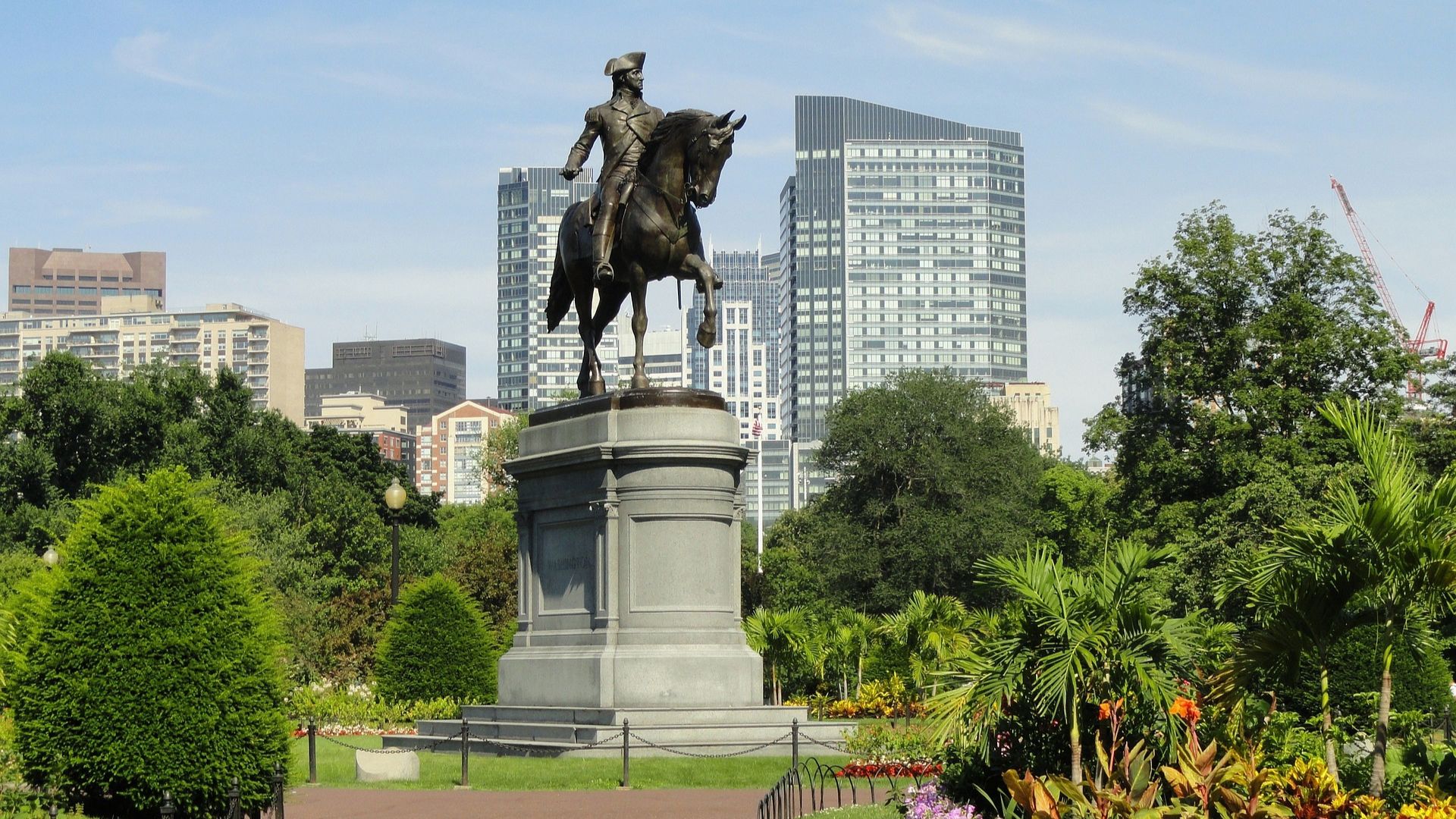
Boston Common and the adjacent Public Garden form the city’s outdoor living room.
The Common has open lawns, historic monuments, and seasonal activities like ice skating and events, while the Public Garden brings carefully planted beds and the famous swan boats.
Together they offer a welcome pause between heavier historic or museum visits, and they sit at the start of the Freedom Trail, making them a natural anchor for a full day out.
Because they are centrally located, you can drop in for fifteen minutes or spend a lazy afternoon without leaving the heart of the city.
Families can let kids burn off energy at play areas or open spaces before expecting quiet behavior in churches or galleries.
If your lodging is in Back Bay or downtown, it is easy to weave the parks into each day—morning coffee walks, sunset photo stops, or a mid-afternoon bench break.
On dry days, travelers who opt for a walking-heavy itinerary may appreciate a Sitpack compact seat to rest between trail stretches, especially when benches fill up in peak season.
Fenway Park
Fenway Park is a working ballpark and a living piece of baseball history.
Even if you do not follow the Red Sox closely, walking through the stands, dugout areas, and the Green Monster seats makes the sport feel more immediate.
Game days are electric, but tours on non-game days are often the easiest way to see behind the scenes and hear stories about legendary players and seasons.
Because dates and availability shift around the team’s schedule, checking options well ahead of your trip helps you avoid disappointment.
Guided Fenway tours are commonly listed on GetYourGuide, Viator, and Klook, sometimes bundled with city sightseeing loops or other attractions.
If you are stitching together several paid experiences during a sporting-focused weekend, comparing totals with Go City pass options can show whether a bundled approach makes financial sense for you.
For afternoon or evening games, consider layering clothing—the temperature can drop near the end—and carrying just a small bag that meets stadium security rules.
Isabella Stewart Gardner Museum
The Isabella Stewart Gardner Museum feels less like a conventional museum and more like walking into a personal, art-filled world.
Rooms surround a plant-filled courtyard, with paintings, tapestries, furniture, and small objects arranged according to Gardner’s tastes rather than strict chronology.
That makes the visit feel like a slow, thoughtful exploration rather than a march through a checklist of famous works.
The story of the 1990 art theft, still unresolved, adds another layer of interest to certain empty frames and security details.
Timed entry is often required, especially on weekends and free days, so you will want to secure spots early.
Third-party booking services such as GetYourGuide and Viator sometimes include Gardner Museum tickets with other nearby experiences like the Museum of Fine Arts or neighborhood walks.
Because the museum rewards close looking, plan for a quieter, less rushed pace here and consider using the courtyard as your breathing space between galleries.
Harvard Square And Harvard University
Harvard Square and its campus show a more collegiate side of Greater Boston.
Red-brick buildings, libraries, and courtyards sit next to bookstores, small theaters, cafés, and buskers.
You can join a guided campus tour—often run by students or local guides—to learn how the university grew and how its alumni shaped different fields.
Exploring the area on your own works just as well if you prefer to wander and duck into spaces that catch your attention.
Harvard’s museums, including the art museums and natural history collections, offer additional indoor stops if the weather turns.
For travelers staying downtown, the Red Line makes reaching Harvard straightforward and faster than dealing with driving and parking in Cambridge.
If you like having a structured outline for half a day, look at Harvard-focused walks and half-day tours on GetYourGuide or Viator, which can combine campus time with a bit of broader Cambridge orientation.
The Paul Revere House
The Paul Revere House shrinks the Revolution back down to a human scale.
Inside this preserved North End home, you see modest rooms where family life unfolded alongside the politics of the time.
Guides and interpretive displays fill in details about Revere’s famous ride, his trade as a silversmith, and what daily life looked like in eighteenth-century Boston.
Because the house is compact, visits tend to be short but dense, and capacity can be limited at peak times.
It pairs naturally with nearby North End sites, including Old North Church, narrow streets, and Italian bakeries where you can grab a cannoli or espresso afterward.
Some Freedom Trail-oriented walks on GetYourGuide or Viator include admission or structured time here, which keeps your day moving smoothly between multiple historic interiors.
If you are using several paid entries in one or two days, run a quick comparison between individual tickets and a Go City pass to see which better suits your style and pace.
Explore Lesser-Known Boston Attractions That Surprise And Delight
The Mapparium
The Mapparium is a three-story stained-glass globe you actually walk inside.
Located at the Mary Baker Eddy Library, it surrounds you with mapped continents and lines that reflect how people once saw the world.
The acoustics are striking; a whisper travels around the space in ways that surprise most visitors.
Because visits happen in timed groups, the experience feels calm and focused rather than rushed.
It is an excellent choice for travelers who appreciate design, cartography, or simply unusual perspectives on familiar subjects.
Booking tickets in advance, whether directly or via platforms like GetYourGuide or Viator, can help you land a time slot that fits neatly between nearby museum or Symphony Hall plans.
If you are staying without a rental car, think of the Mapparium as a natural part of a “Back Bay and Symphony” day that also includes the Boston Public Library, nearby shopping streets, and a relaxed dinner.
Boston Athenaeum
The Boston Athenaeum is a private library that welcomes day visitors into its refined reading rooms and galleries.
Shelves of older volumes, art on the walls, and quiet corners give this space a peaceful, slightly formal feel.
For anyone who loves books, architecture, or the sense of stepping briefly into another era, it is a rewarding stop.
Day passes are reasonably priced, but the Athenaeum is not usually a place for loud conversations or restless kids, so it suits travelers who enjoy quiet appreciation.
Because it sits a short walk from Boston Common and downtown theaters, you can easily combine an hour or two here with a broader day of parks and performances.
On a culture-heavy day that includes spaces like this, keeping your load light—a small Travelpro cross-body or slim backpack—makes stair climbs and narrow passages more comfortable.
Photography rules can change, so check current guidance before planning on long photo sessions inside.
The Arnold Arboretum
The Arnold Arboretum in Jamaica Plain stretches across 281 acres of living collection.
Paths wind through trees and shrubs from around the world, and seasonal changes make repeated visits feel different each time.
In spring and fall especially, the colors and light reward slow, unhurried walks.
Because it is a bit removed from downtown, you can treat it as a half-day escape from city noise.
There is no admission fee, which makes it a good choice for travelers looking to balance pricier attractions with low-cost time outdoors.
For visitors comfortable on two wheels, bikes or e-bikes from BikesBooking.com can turn the Arboretum and surrounding neighborhoods into an easy circuit without relying solely on buses or rideshares.
Sturdy shoes, water, and an eye on sunset times will help you enjoy the landscape safely, especially if you like to wander off the main paths.
The Boston Harbor Islands
The Boston Harbor Islands bring a sense of wide-open space within a short ferry ride of downtown.
Different islands offer walking trails, picnic spots, beaches, and historic sites such as Fort Warren.
Skyline views back toward the city remind you just how close you are, even when things feel far quieter.
Because ferry schedules vary by season and island, checking timetables in advance is essential for avoiding long gaps between boats.
Day trips that bundle ferry tickets with simple guided walks or themed outings are often available through GetYourGuide, Viator, or Klook, which can ease planning if you are unfamiliar with the harbor layout.
If you are packing food, a small Travelpro soft cooler or organized tote keeps things manageable on the boat and at picnic areas.
Travel insurance from companies like World Nomads, VisitorsCoverage, EKTA, or Insubuy can be particularly helpful when your trip includes weather-sensitive ferry or boat components that may need last-minute changes.
The Gibson House Museum
The Gibson House Museum is a preserved Back Bay townhouse that shows how a well-to-do family lived in the late nineteenth and early twentieth centuries.
Instead of reconstructed rooms, you see original furnishings, wallpapers, and household items arranged much as they were.
Guided tours lead you floor by floor, weaving details about daily routines, staff, and social expectations into the architectural story.
Because the home is narrow and filled with historic pieces, visitation is usually guided and group sizes are limited.
That constraint works in your favor, as it keeps groups small enough for questions and close looks at details.
Pairing a Gibson House tour with a stroll along Commonwealth Avenue Mall or Newbury Street makes for a nicely textured afternoon.
If your day already includes multiple ticketed experiences, checking for combined listings on GetYourGuide or Viator can occasionally reveal efficient pairings with other nearby historic sites.
The Warren Anatomical Museum
The Warren Anatomical Museum focuses on medical history and anatomy in a way that some visitors find fascinating and others find intense.
Exhibits include preserved specimens, instruments, and educational materials that highlight how doctors and students learned to understand the body.
It is a natural match for travelers drawn to science, history of medicine, or the evolution of healthcare training.
Because the content can be graphic, it is not ideal for all younger children; parents will want to gauge comfort levels ahead of time.
The museum is typically smaller and more contained than major attractions, so you can fit it into a half day alongside other Longwood Medical Area stops.
For those staying downtown without a car, transit connections are straightforward, but building in some extra time for campus navigation is wise.
Consider this a focused, niche outing rather than a broad family attraction.
The Ether Dome
The Ether Dome at Massachusetts General Hospital marks the site of the first public demonstration of surgical anesthesia.
Standing in the historic operating theater, you get a sense of how dramatic that event must have felt to both doctors and patients.
Displays and interpretive materials explain the shift from surgery as an excruciating last resort to something that could be safer and more humane.
Because this space sits within an active hospital campus, you will need to be respectful of signs, security, and any changing access policies.
Visits tend to be relatively short, making the Ether Dome a strong add-on to a broader day in the area rather than a stand-alone anchor.
Science and history fans can combine this stop with the Warren Anatomical Museum for a compact but memorable exploration of medical progress.
If hospital navigation feels intimidating, local expertise via a small-group science or history tour found on GetYourGuide or Viator can smooth the experience.
The Boston Public Library
The Boston Public Library’s Central Library in Copley Square is both a working library and an architectural highlight.
Murals, marble staircases, and the cloistered courtyard make it a rewarding stop even if you never open a book.
Reading rooms provide quiet spaces where you can pause between more active parts of your day.
Free tours are often available and help you notice details you might otherwise pass by, from inscriptions to design choices in different wings.
The library’s location in Back Bay makes it an easy pairing with Newbury Street shopping, Trinity Church, or a walk along the Commonwealth Avenue Mall.
If you are staying nearby, this is also a comfortable place to regroup, plan the next day’s route, or simply rest your feet indoors on a rainy afternoon.
Digital-security tools like NordVPN can make library Wi-Fi a safer place to check banking apps or travel bookings while you enjoy the calm surroundings.
USS Constitution Museum
The USS Constitution Museum, located near “Old Ironsides” in the Charlestown Navy Yard, brings early U.S. naval history into focus.
Hands-on exhibits explain life aboard a ship, the role of the Navy in young America, and the technology behind wooden warships.
Families will appreciate interactive elements that let kids try simple tasks and games related to shipboard work.
After the museum, you can usually walk over to see the ship itself, subject to security and schedule.
The Navy Yard location means you will either use transit, rideshare, or a longer walk from downtown; plan your route in advance.
Harbor and Navy Yard tours that include museum time are commonly found on GetYourGuide and Viator, helping you combine this stop with broader waterfront sightseeing.
If you are visiting multiple harbor attractions and boat experiences in a tight schedule, a Go City pass may help manage overall costs while keeping options open.
Boston Athenaeum (Second Listing)
The article’s original structure mentions the Boston Athenaeum twice, reflecting how strongly it resonates with visitors who love books and art.
If you are planning a library-focused or quiet-spaces day, it can serve as either your starting point or your reward after a more crowded museum.
You might spend time in the reading rooms, explore small exhibitions, or simply sit by a window with views over central Boston.
Because day passes and access guidelines can change, check rules well before showing up with large bags or photography plans.
For travelers staying within walking distance, the Athenaeum pairs easily with Boston Common, the State House exterior, and theaters, which lets you build a mixed day of culture and outdoor time.
Consider this the spot on your itinerary where you give yourself permission to slow down.
Experience Off-The-Beaten-Path Boston Attractions For Unique Adventures
Castle Island
Castle Island in South Boston combines harbor views, Fort Independence, and green space that locals actually use.
Walking the causeway and paths gives you a sense of fresh air and open sky that feels very different from downtown streets.
Families come here for playgrounds, picnics, and seasonal snacks from beloved concession stands.
The fort itself offers history, while the shore gives you plenty of room to stretch your legs.
This is an easy half-day option when you want something low-cost and outdoors.
If you are relying on public transit, be realistic about travel times and consider combining Castle Island with other Seaport or South Boston stops.
Sunny-day essentials—sunscreen, a hat, and a simple Travelpro tote or backpack—will make the outing more comfortable, especially if you plan to linger.
The Bodega
The Bodega is a creative twist on the boutique experience.
From the street it looks like a regular convenience store, but a hidden entrance inside leads to a high-end sneaker and streetwear shop.
This playful setup turns a simple shopping stop into a small reveal.
Inventory focuses on carefully curated shoes and apparel, so it suits travelers who appreciate design and limited-edition pieces.
Because the space is not huge, visiting earlier in the day or on quieter weekdays can feel more relaxed.
Pair Bodega with time at the nearby Mapparium or Symphony Hall area to fill out a neighborhood-focused afternoon.
If you prefer not to carry big purchases all day, luggage-storage services from companies like Radical Storage can keep your main bags out of the way while you browse and explore.
The Boston Public Market
Boston Public Market lets you taste the region without leaving the city.
Vendors sell local produce, seafood, baked goods, prepared meals, and handmade products in a bright indoor space.
You can graze on small bites, assemble an easy lunch, or pick up gifts that feel more personal than generic souvenirs.
Because the market is indoors, it works well on cold or rainy days when you still want to keep moving.
It also sits close to several Freedom Trail stops, making it an easy lunch or snack break during a history-heavy itinerary.
Food-focused walking tours through GetYourGuide, Viator, or Klook sometimes weave the market into a broader narrative about Boston’s neighborhoods and flavors, which can be helpful if you want context with your tastings.
Travelers who cook in rental kitchens might consider pairing a visit here with gourmet ingredients like DaRosario Organic truffle products or tools from Pampered Chef once they are back home, recreating flavors inspired by their trip.
The Boston Common Frog Pond
The Frog Pond in Boston Common changes with the seasons in a way that keeps the same small spot interesting.
In winter it operates as a skating rink with skyline views, and in summer it turns into a shallow spray pool where children cool off.
Benches and nearby lawns make it easy for adults to supervise while still relaxing.
Because it sits right in the Common, you can drop by for ten minutes or make it the anchor of a kid-focused park visit.
Skate rentals and simple food options are typically available in season, making the experience easy even if you arrive without gear.
Families can pair Frog Pond time with a spin on the Public Garden’s swan boats or a simple picnic to create a full kid-friendly afternoon.
Radical Storage locations around downtown can hold larger luggage if you have already checked out of your hotel but still have hours to fill before an evening train or flight.
The Lawn On D
The Lawn on D gives Boston a playful outdoor space with swings, art installations, and regular events.
Located in the Seaport District near the convention center, it draws both locals and visitors for live music, outdoor games, and casual food and drinks.
The illuminated swings are particularly popular for photos after dark.
Because many events are seasonal and weather dependent, checking the schedule before you go helps you catch live performances or special programming.
You can combine a visit with a harbor walk, Seaport dining, or a harbor cruise departure for a full afternoon or evening in the area.
If you are connecting multiple Seaport activities, a hop-on bus loop from Big Bus Tours or a short bike segment via BikesBooking.com can cut down on how much you walk between piers, museums, and restaurants.
For travelers using public Wi-Fi in the area, keeping NordVPN running in the background is a simple way to add a bit of digital security while you share photos or check reservations.
Immerse Yourself In Boston Attractions That Capture The City’s Spirit
Boston works best when you stop treating it like a checklist and start treating it like a set of themed days.
One day might center on the Freedom Trail, Faneuil Hall, and the North End.
Another might lean into art at the Museum of Fine Arts and Isabella Stewart Gardner Museum, with a quiet detour to the Boston Public Library.
A third could focus on harbor time and islands, or on neighborhoods like Cambridge, Jamaica Plain, or South Boston.
Booking your hotel through services such as Tripadvisor, Booking.com, Trip.com, or Agoda makes it easier to base yourself near the areas you care about most, whether that is Back Bay comfort or waterfront convenience.
Flight search tools like Kiwi.com, Omio, CheapOair, or AviaSales can help you reach Logan International at reasonable fares and with itineraries that match your tolerance for layovers.
Once you are in the city, Go City passes, tours and timed entries from GetYourGuide, Viator, or Klook, and bikes from BikesBooking.com all help trim backtracking and make your days feel smooth rather than improvised in a stressful way.
If disruptions appear—weather, airline issues, or unexpected closures—travel insurance from World Nomads, VisitorsCoverage, EKTA, or Insubuy and compensation support from Compensair or AirHelp can protect your budget so the setback becomes a story rather than a financial burden.
With a little planning, Boston stops feeling like a dense cluster of famous names and starts feeling like a place where history, harbor, and everyday neighborhoods all share the same map.
FAQ – Boston Attractions That Inspire Wonder, History, And Memorable Experiences
What Are The Must-See Attractions For First-Time Visitors To Boston?
Most first-time visitors build their stay around the Freedom Trail, Faneuil Hall, Boston Common and Public Garden, the New England Aquarium, and a museum such as the Museum of Fine Arts or the Isabella Stewart Gardner Museum.
Fenway Park tours are popular even for those who are not die-hard baseball fans.
A harbor outing—whether a simple cruise or a trip to the Boston Harbor Islands—rounds out the picture with water views.
If you want to see several paid sights quickly, a short-duration Go City pass can sometimes be more economical than buying individual tickets.
Why Should I Walk The Freedom Trail In Boston?
The Freedom Trail ties Boston’s revolutionary sites together in a way that is easy to follow on foot.
Instead of jumping randomly between churches and meeting halls, you move through them in a sequence that makes the history easier to understand.
Guided walks from GetYourGuide, Viator, or Klook can add storytelling and context if you prefer not to manage maps and background reading yourself.
Because the trail passes through busy modern streets, walking it also gives you a feel for how history and daily life coexist in the city.
What Makes Fenway Park A Popular Boston Attraction?
Fenway Park combines live sports energy with more than a century of baseball stories.
Guided tours show you areas regular game-goers never see and explain how the park evolved alongside the city.
Even if you do not attend a game, standing near the Green Monster or looking over the field from different tiers gives you a sense of why this stadium matters so much locally.
Some tours are available through GetYourGuide and Viator and may be easier to fit into a tight schedule than game tickets, especially on short trips.
Which Boston Museums Offer Unique Cultural Experiences?
The Museum of Fine Arts and the Isabella Stewart Gardner Museum are the most prominent art stops for many visitors.
Smaller institutions like the Boston Athenaeum, the National Museum of Mexican Art’s counterparts in the region, and university museums add depth and variety.
If you enjoy contemporary art, the city’s smaller galleries and occasional special exhibitions can be rewarding complements to larger collections.
Depending on how many museums you plan to visit in a few days, a Go City pass or carefully chosen timed tickets via GetYourGuide or Klook can help you manage both budget and crowds.
Where Can I Find Outdoor Attractions In Boston?
Boston Common, the Public Garden, the Charles River Esplanade, Castle Island, and the Boston Harbor Islands all offer fresh air and memorable views.
For park-to-park days, a bike or e-bike from BikesBooking.com can help you connect these stretches more efficiently than walking alone.
In winter, the Frog Pond rink provides a classic cold-weather activity, while in summer the same space becomes a water play area for kids.
When your plans include outdoor days near the water, travel insurance can help protect prepaid experiences if sudden storms force you to shift activities.
What Neighborhoods Provide Authentic Boston Experiences?
Back Bay, the North End, Cambridge around Harvard Square, Jamaica Plain, South Boston, and parts of Dorchester each show different sides of local life.
Back Bay offers brownstones and shopping streets; the North End highlights Italian dining and narrow lanes; Cambridge blends university life with bookstores and cafés.
Neighborhood food and walking tours from GetYourGuide, Viator, or Klook can be a good starting point if you are unsure where to dive in first.
Afterward, you can always return on your own for a slower second visit to the areas that spoke to you most.
How Do Hurricanes Affect Travel To Boston Attractions?
Boston sits on the coast, but it is much less vulnerable than many southern destinations to direct hurricane damage.
However, major storms farther south or along the East Coast can still disrupt flights into and out of Logan International Airport.
Those disruptions often ripple into hotel nights, prebooked tours, and attraction tickets.
Policies from companies like World Nomads, VisitorsCoverage, EKTA, or Insubuy can help cover additional nights, rescheduling costs, or interruptions when severe weather changes your plans.
If your delay qualifies under regional or airline rules, support from Compensair or AirHelp can help determine whether you are owed compensation and handle much of the claim process for you.
What Scams Should I Watch For During Hurricane Season Travel?
Scammers sometimes send messages pretending to be airlines, hotels, or tour providers offering urgent rebooking after major storms.
They may pressure you to pay through unusual channels, share card details over the phone, or click links to unofficial payment pages.
To stay safe, access your accounts by typing airline or hotel URLs directly—such as Booking.com, Trip.com, or Tripadvisor—rather than following links in unsolicited emails or texts.
Using a VPN like NordVPN on public Wi-Fi and managing data-removal requests through services like Incogni can reduce longer-term exposure of your personal details while you keep your focus on enjoying the city.
FAQ – Boston Adventures That Blend History, Energy, and Wonder
What Are the Must-See Attractions for First-Time Visitors to Boston?
Boston offers iconic attractions like the Freedom Trail, Fenway Park, and Faneuil Hall Marketplace.
These sites connect travelers to history, culture, and entertainment.
They create memorable experiences for first-time visitors.Why Should I Walk the Freedom Trail in Boston?
The Freedom Trail is a 2.5-mile path linking 16 historic sites.
It immerses visitors in Boston’s revolutionary history.
Guided tours and costumed interpreters create engaging storytelling.What Makes Fenway Park A Popular Boston Attraction?
Fenway Park is the oldest Major League Baseball stadium still in use.
It offers tours that highlight the Boston Red Sox and the iconic Green Monster.
Visiting Fenway energizes both sports fans and history enthusiasts.Which Boston Museums Offer Unique Cultural Experiences?
The Museum of Fine Arts showcases global art collections.
The Isabella Stewart Gardner Museum inspires with its Venetian-style palace and eclectic exhibits.
These museums elevate cultural exploration and wonder.Where Can I Find Outdoor Attractions in Boston?
Boston Common and the Public Garden provide green spaces for relaxation.
The Boston Harbor Islands offer hiking, picnicking, and skyline views.
These outdoor attractions encourage both leisure and discovery.What Neighborhoods Provide Authentic Boston Experiences?
Back Bay is known for elegant hotels and shopping.
North End offers authentic Italian dining and historic charm.
Cambridge enriches cultural immersion with Harvard Square and lively streets.How Do Hurricanes Affect Travel to Boston Attractions?
Boston’s coastal location means hurricanes can disrupt flights into Logan International Airport.
Travelers may face delays reaching attractions and hotels.
Travel insurance from providers like VisitorsCoverage, Ekta, Insubuy, or Compensair supports quick rebooking and protects against unexpected costs.What Scams Should I Watch for During Hurricane Season Travel?
Scammers may pose as hotels or attractions offering fake rebooking deals.
They may inflate prices or request payment through unofficial channels.
Always verify bookings directly with official websites or trusted travel platforms.What Off-The-Beaten-Path Adventures Can I Find in Boston?
Castle Island offers scenic harbor views and historic Fort Independence.
The Lawn on D provides interactive outdoor art and games.
These offbeat adventures inspire unique and memorable experiences.