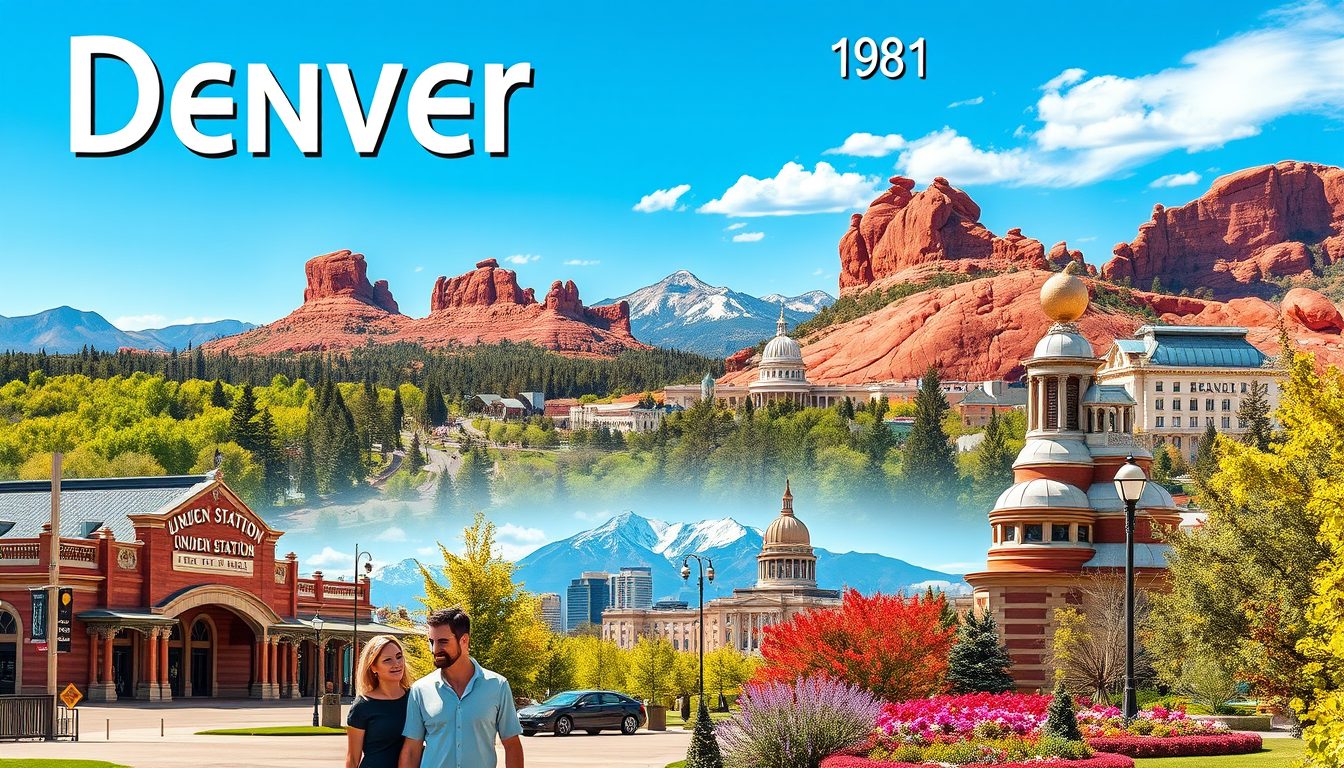
Short Excerpt
- Denver works best when you separate downtown and LoDo, the Golden Triangle museums, City Park, RiNo, and foothills experiences instead of repeatedly crossing the city.
- Union Station makes a natural downtown starting point, while the Denver Art Museum, City Park attractions, and Red Rocks each deserve their own sightseeing blocks.
- The strongest trip combines city culture with at least one outdoor experience, giving you art, neighborhoods, food, skyline views, and a taste of the landscape that makes Denver different.
Quick Take
- Start downtown around Union Station, LoDo, Larimer Square, and the 16th Street area before moving into a different neighborhood cluster.
- Give the Denver Art Museum and nearby Golden Triangle cultural attractions enough time instead of squeezing several major museums into one rushed afternoon.
- Keep Denver Zoo Conservation Alliance and the Denver Museum of Nature & Science together because both sit within City Park.
- Use RiNo for murals, galleries, breweries, food, and an evening atmosphere rather than treating it as a quick photo stop.
- Make Red Rocks a dedicated half-day or evening experience because the drive, trails, amphitheatre, and Morrison deserve more than a rushed detour.
- Save Rocky Mountain National Park, Boulder, Golden, or another mountain-side excursion for a dedicated day rather than attaching it to an already full downtown itinerary.
See Denver In Neighborhood Clusters Before You Chase The Mountains
Denver is easiest to understand when you stop treating every attraction as a separate destination.
The city combines a compact downtown core with museums, parks, art districts, family attractions, historic neighborhoods, and foothills experiences that can look deceptively close on a map.
Start with Union Station and Lower Downtown.
The restored 1914 station functions as both a landmark and transportation hub, with restaurants, shops, rail connections, and direct airport rail service placing you in the middle of one of Denver’s most walkable sightseeing areas.
From there, LoDo, Larimer Square, downtown streets, restaurants, sports venues, and nearby riverfront areas can fill several hours without requiring another major transfer.
The Golden Triangle creates a different cultural cluster.
The Denver Art Museum can anchor the visit, while nearby museums and civic architecture make it easy to extend the day without immediately returning downtown.
Art travelers should resist turning the district into an admission-counting exercise.
One substantial museum, a second smaller cultural stop, lunch, and neighborhood walking often create a better experience than racing through several institutions simply because they are nearby.
City Park deserves the same geographic thinking.
The Denver Museum of Nature & Science and Denver Zoo Conservation Alliance both sit within the park, giving families and first-time visitors an easy way to combine a major attraction with outdoor space.
City Park itself adds lakes, lawns, trails, skyline views, and enough room to slow the pace between ticketed experiences.
Denver Botanic Gardens forms another strong stop south of City Park.
Use it when you want a quieter outdoor experience that still feels distinctly urban, particularly after a museum-heavy morning or before an evening elsewhere in the city.
Then give RiNo time to behave like a neighborhood rather than another attraction.
Murals, galleries, breweries, food halls, restaurants, shops, and converted industrial spaces reward wandering.
An afternoon that gradually becomes dinner or nightlife usually suits the district better than an hour squeezed between reservations.
Red Rocks belongs in a different category entirely.
The amphitheatre sits west of Denver near Morrison, and daytime visitors can explore the park, trails, amphitheatre, Trading Post, and Visitor Center when access is available.
On non-event days, the amphitheatre generally opens one hour before sunrise and closes one hour after sunset; event-day public access can end much earlier. Admission and parking for daytime visits are free.
That schedule is important.
A concert changes the logistics dramatically, and current road work, event traffic, parking, security, and venue closures can affect how much time you need.
Treat Red Rocks as a half-day sightseeing experience, hiking outing, or evening event rather than assuming you can slip it between two downtown reservations.
Travelers wanting an even larger Colorado experience should separate Denver sightseeing from mountain sightseeing.
Golden, Boulder, Dinosaur Ridge, Rocky Mountain National Park, scenic foothill drives, and other excursions can each compete for a substantial part of the day.
Denver works well as a base, but the mountains become more enjoyable when you stop checking the clock for a museum reservation back in the city.
Altitude also deserves practical respect.
Denver sits at roughly a mile above sea level, so visitors arriving from lower elevations may notice exertion more quickly.
Give yourself room to adjust before scheduling an aggressive hike, drink normally, use sun protection, and avoid assuming your sea-level pace will feel exactly the same on the first day.
Transportation can stay simple when the itinerary follows neighborhoods.
Union Station connects downtown with airport rail and local transit, while walking works well within LoDo and several central areas.
Rideshare, rental cars, organized tours, or other transportation become more useful when Red Rocks, foothills, or farther neighborhoods enter the plan.
Attraction passes should come after those decisions.
Denver CityPASS currently includes choices such as Denver Zoo Conservation Alliance, Denver Museum of Nature & Science, Denver Botanic Gardens, Denver Art Museum, the Downtown Aquarium, Children’s Museum of Denver, Wings Over the Rockies, and History Colorado Center.
Compare the pass with the attractions you already intend to visit rather than reshaping the trip merely to increase the number of admissions.
For a first visit, think in contrasts.
Spend one day with downtown and art, another around City Park or gardens, then give Red Rocks or the foothills enough time to provide the Colorado landscape you came hoping to see.
Denver does not force you to choose between a city trip and an outdoor trip.
Its real advantage is how naturally you can experience both—provided you stop trying to do both sides of the city in the same six-hour window.
Experience Denver Museums: Art, History & Cultural Icons
Denver’s museums give you a weather-proof way to understand the region while still feeling like you are on vacation, not in a classroom.
They lift a trip because they add depth to the mountain views and brewery stops, connecting what you see outside to stories of art, science, and history inside.
A smart pattern is to pick one “deep dive” museum as your anchor, then add a second, shorter stop nearby so everyone leaves tired in a good way instead of overwhelmed.
Most of the big museums cluster around the Golden Triangle and City Park areas, which makes it easy to walk or bike between them and avoid constant parking shuffles.
If your larger itinerary includes other cities with dense museum districts, using a multi-attraction product from Go City in those destinations can keep big-ticket days under control, so you can treat Denver’s admissions as more flexible pick-and-choose stops.
For families, these museums are a relief on very hot or very cold days, with climate control, restrooms, and plenty of places to sit built into the experience.
Most are stroller-friendly and offer elevators, accessible restrooms, and quiet corners, which helps when you are traveling with small kids or relatives who appreciate shorter walking distances.
Plan your museum days with gentle starts and built-in café breaks, and they become some of the easiest, most satisfying days of a Denver trip.
1. Denver Art Museum
The Denver Art Museum combines bold architecture with collections that appeal to casual visitors and dedicated art fans.
You move from Western American paintings to global contemporary work and one of the country’s strongest collections of Native American art, so there is always something that feels personally relevant.
A reliable pattern is to choose one wing you absolutely care about—maybe Western art or a special exhibition—then treat anything extra as a bonus so you do not rush mindlessly from room to room.
Plan on at least two to three hours here, especially if you like to read exhibit labels and pause in front of key pieces instead of just passing through.
If you are also stacking major museums in other cities on the same vacation, handling those other admissions with a flexible pass from Go City can keep your overall ticket spending predictable, leaving you freer to decide day-of whether to add a second Denver museum or simply enjoy a long lunch nearby.
The museum sits in the Golden Triangle Creative District, so you can easily walk to the Clyfford Still Museum, the Kirkland Museum, Civic Center Park, and cafés without moving the car.
Arriving right at opening or in the late afternoon usually means calmer galleries, shorter coat-check lines, and a more relaxed feel.
For comfort, expect a mix of open staircases and elevators, plenty of benches, and restrooms on multiple levels, which helps if someone in your group needs frequent breaks or is adjusting to the altitude.
Address: 100 W 14th Ave Pkwy, Denver, CO 80204
Cost: around $13 for adults; many younger visitors are often free
Hours: typically Tuesday–Sunday 10 AM–5 PM; check official site for updates
Website: —
2. Denver Museum Of Nature & Science
The Denver Museum of Nature & Science is where curiosity runs the show, with dinosaurs, space, and hands-on science tucked into one huge building.
It works beautifully for mixed-age groups because younger kids can push buttons and climb, while older kids and adults get real information out of the exhibits and shows.
You can easily spend three to four hours here if you add a planetarium show or IMAX screening, so it often makes sense to treat this as the main event of your day.
Arriving early helps you beat school groups and gives you first pick of showtimes; afternoons can be a little quieter once daytime groups head home, but weekends stay lively.
If your broader trip includes other big-ticket science or natural-history museums in bigger cities, using a pass from Go City there can reduce those costs and leave a little more room in your Denver budget for add-ons like special exhibits, snacks, or souvenirs here.
Because the museum sits inside City Park, you can step outside between exhibits to let kids run, grab skyline photos, or unwind with a simple picnic before heading back in.
The building is stroller-friendly, with elevators connecting floors and family restrooms that make it easier to handle real-life logistics with kids.
Bring water and move at a steady pace; at a mile high, people tire faster than they expect, especially when excitement is high.
Address: 2001 Colorado Blvd, Denver, CO 80205
Cost: around $19.95 for adults, $14.95 for children; extras for some shows
Hours: typically daily 9 AM–5 PM; confirm current schedule
Website: —
3. Wings Over The Rockies Air & Space Museum
Wings Over the Rockies turns a former Air Force hangar into a place where aircraft and space exhibits feel close enough to touch.
Plane lovers can study the details of historic cockpits, while casual visitors still enjoy the sheer scale of the hangar and the variety of aircraft on display.
Plan on one and a half to three hours, depending on how much you want to read and whether you have kids who enjoy climbing and hands-on elements.
Weekends draw more families, but even then the wide open space rarely feels cramped; weekday afternoons are best if you prefer a quieter atmosphere.
If you are stitching together aviation and space experiences across multiple cities—say, a big air museum elsewhere plus this one—using a flexible pass with Go City in those other destinations can keep your overall ticket costs in check, letting you treat this Denver visit as a focused, pay-as-you-go highlight.
The Lowry neighborhood location means you will likely drive or use rideshare, but parking is straightforward and you can combine your visit with nearby restaurants instead of rushing straight back downtown.
The flat floors, wide aisles, and benches make it comfortable for strollers and wheelchairs, and there are restrooms well-placed around the building.
For photos, consider both dramatic wide shots of full aircraft and tighter images of dials, wings, and nose art that kids can stand next to.
Address: 7711 E Academy Blvd, Denver, CO 80230
Cost: around $16.95 for adults, $9.95 for children
Hours: typically Monday–Saturday 10 AM–5 PM, Sunday 12 PM–5 PM
Website: —
4. Kirkland Museum Of Fine & Decorative Art
The Kirkland Museum feels like stepping into a series of beautifully arranged rooms rather than a typical white-walled gallery.
Furniture, ceramics, glass, and decorative pieces are displayed together so you can feel how they might have lived in real homes across different eras.
It is a strong pick for travelers who care about design, interiors, or mid-century style and want to see the “everyday” objects that tell a story about a place.
Plan for ninety minutes to two hours so you have time to move slowly and notice details without rushing.
If you are also visiting design-heavy museums in larger cities and handling those tickets through a flexible option from Go City, it becomes easier to justify a dedicated, slower-paced stop at Kirkland where you let the visit take as long as it needs instead of watching the clock.
The building is compact but thoughtfully laid out, with elevators and staff ready to help with accessibility questions if you prefer step-free routes.
Young children can find the dense displays overwhelming, so it helps to set expectations ahead of time and keep them close to prevent accidental bumps.
Check photography rules on arrival; even when interior photos are limited, you will likely leave with plenty of mental snapshots and design ideas.
Address: 1201 Bannock St, Denver, CO 80204
Cost: around $10 for adults, $8 for seniors and students
Hours: typically Tuesday–Sunday 11 AM–5 PM
Website: —
5. History Colorado Center
History Colorado Center turns state history into something you can walk through, not just a wall of dates and names.
You might “drive” an old Model T, explore recreated environments, or tap your way through interactive displays that connect frontier stories to present-day Colorado.
This is an especially good choice if you like to understand the place you are visiting beyond its skyline and restaurant scene.
Most travelers are comfortable with two to three hours here, which leaves time for another nearby stop or an unhurried lunch.
On trips where you are hitting more than one major history museum across different cities, using a product from Go City in those other destinations can keep big-picture history costs in check, freeing you to treat History Colorado as your main “deep dive” into the region’s past.
The museum’s location in the Golden Triangle makes it easy to pair with the State Capitol, Denver Art Museum, or a gentle stroll through Civic Center Park.
Inside, ramps, elevators, and benches create a comfortable experience for visitors using strollers or mobility devices, and staff are usually happy to point out quieter areas if someone in your group needs a break from activity.
Look for exhibits with wider open space and natural light if you want good, respectful photos that still capture the feel of the place.
Address: 1200 Broadway, Denver, CO 80203
Cost: around $14 for adults, $10 for students and seniors
Hours: typically Monday–Saturday 10 AM–5 PM, Sunday 12 PM–5 PM
Website: —
6. Clyfford Still Museum
The Clyfford Still Museum offers a focused look at one artist’s work, which is refreshing in a world of giant, scattershot collections.
You move through Still’s paintings in a way that lets you see his evolution over time, from early experiments to monumental canvases.
Art fans often describe this as one of the calmest, most satisfying spaces in Denver, especially after time in busier attractions.
Plan on about ninety minutes, allowing extra time if you enjoy sitting in front of a single painting for a while.
If you are also visiting other single-artist museums in larger cities, using Go City for those admissions can gently shift your overall budget so you can savor this Denver visit without watching every minute.
The architecture, light, and material choices make the building itself part of the experience, and there are plenty of benches where you can rest and absorb the work.
Because the galleries are intimate and quiet, it is a good idea to visit when your group has energy for slow looking rather than when everyone is restless.
Photography rules can vary, so check at the desk; often, capturing the architecture and public areas gives you more than enough memory prompts.
Address: 1250 Bannock St, Denver, CO 80204
Cost: around $10 for adults; many younger visitors enter free
Hours: typically Tuesday–Thursday, Saturday–Sunday 10 AM–5 PM, Friday 10 AM–8 PM
Website: —
7. Denver Center For The Performing Arts
Denver Center for the Performing Arts is a cluster of theaters where you can trade screen time for live stories, music, and big emotions.
Broadway tours, local productions, and concerts rotate through, so there is usually something on the calendar that fits your group’s tastes.
If you are traveling with teens or adults who love theater, building one evening around a show here can become a trip highlight.
Most performances last two to three hours including intermission, so they pair well with an early dinner and a relaxed afternoon.
When your broader itinerary includes performances or special evening experiences in other cities, booking those via GetYourGuide in those destinations can keep ticket confirmations organized, making it easier to slide a Denver show into your plans without double-booking yourself.
Arrive thirty to forty-five minutes before curtain to manage parking, will-call, restrooms, and finding your seats without stress.
The complex is designed with elevators, ramps, and designated seating for guests with mobility needs, and staff are used to helping visitors who require extra time.
For photos, the outdoor plazas and nighttime marquee lights make great backdrops before you tuck your phone away and settle into the performance.
Address: 1101 13th St, Denver, CO 80204
Cost: varies by show and seating choice
Hours: box office and performance times vary; check your show’s schedule
Website: —
8. Museum Of Contemporary Art Denver
Museum of Contemporary Art Denver is where you go for fresh, sometimes surprising work rather than familiar names.
Exhibitions rotate frequently, so even repeat visitors often find something entirely new to think and talk about.
It works well as an afternoon or early-evening stop, especially if you want to combine it with dinner near Union Station or a walk along the river.
Most visitors spend about ninety minutes here, making it easy to fold into a flexible downtown day.
If your bigger trip includes street-art walks or cutting-edge galleries in other cities, booking some of those tours through GetYourGuide elsewhere can give you curated context there while you enjoy a more self-guided, open-ended experience at MCA Denver.
The building is compact, with elevators and staff who can advise on quieter times if you prefer a calmer visit.
For photos, the rooftop or patio spaces often offer interesting views, and nearby murals in the neighborhood give you even more visual variety without adding extra transit time.
Address: 1485 Delgany St, Denver, CO 80202
Cost: around $10 for adults, $8 for students and seniors
Hours: typically Tuesday–Friday 12 PM–7 PM, weekends 10 AM–5 PM
Website: —
9. Black American West Museum
The Black American West Museum focuses on the stories of Black cowboys, ranchers, railroad workers, and business owners who shaped the region.
It is a powerful complement to broader history museums because it fills in gaps that standard narratives often skip.
The building itself is more intimate than Denver’s big institutions, so visits usually last about an hour.
Because hours and days are limited, checking the schedule before you plan your day is essential.
If you are also booking history-forward walking tours in other cities through GetYourGuide, this stop becomes the Denver anchor that brings a more inclusive perspective to the story of the West.
Inside, expect straightforward exhibits with photos, artifacts, and interpretive text, rather than interactive screens or large installations.
Move slowly, give yourself time to read, and consider pairing the visit with a quiet coffee stop afterward to talk through what stood out.
Address: 3091 California St, Denver, CO 80205
Cost: around $10 for adults, $9 for seniors and students
Hours: typically Friday–Saturday with limited daytime hours; confirm in advance
Website: —
10. Forney Museum Of Transportation
The Forney Museum of Transportation lines up trains, cars, motorcycles, and unusual vehicles into one satisfying indoor collection.
It is an easy win for anyone fascinated by engines or design details, but even casual visitors enjoy the sheer variety.
Plan on one to two hours, giving yourself enough time to walk each row and pause at the pieces that spark conversation.
Because much of the museum is on a single level with wide aisles, it is manageable for wheelchairs, strollers, and visitors who prefer shorter walks.
If your wider trip includes scenic rail routes or transport-themed tours booked elsewhere with GetYourGuide, this Denver stop rounds out the story by showing the hardware behind those experiences.
For photos, include people in your frames so viewers can appreciate the scale of the trains and cars, and look for interesting details like badges and hood ornaments.
Comfort-wise, bring a light layer and comfortable shoes; even indoors, you will cover more ground than you expect.
Address: 4303 Brighton Blvd, Denver, CO 80216
Cost: around $12 for adults, $5 for children
Hours: typically Monday–Saturday 10 AM–5 PM, Sunday 12 PM–5 PM
Website: —
11. Children’s Museum Of Denver At Marsico Campus
The Children’s Museum of Denver is built for kids to touch, climb, pour, stack, and pretend from the moment they walk through the doors.
Instead of asking for quiet voices and hands-off behavior, it channels energy into creative play and simple science.
Families often spend two to three hours here, with the option to stretch longer if little ones are still happily rotating between favorite areas.
Arrive close to opening for calmer playrooms, especially on weekends and school holidays.
If you are mixing structured family tours in other cities—like zoo experiences or guided boat rides—booked through GetYourGuide, this museum serves as your Denver day that is all about free play and unstructured exploration.
Inside, you will find nursing-friendly corners, family restrooms, and staff who are used to helping parents juggle snack breaks and meltdowns.
Pack a change of clothes for water or messy areas, and plan a simple, low-demand activity afterward so kids can wind down gently.
Address: 2121 Children’s Museum Dr, Denver, CO 80211
Cost: around $14 per person; some ages may be discounted or free
Hours: typically Tuesday–Sunday 9 AM–4 PM; verify current hours
Website: —
12. Denver Firefighters Museum
Denver Firefighters Museum, set in a historic firehouse, makes the city’s firefighting past feel vivid and close.
Kids love standing near old engines and trying on gear, while adults gravitate to stories about major fires and changing techniques.
A visit of about an hour works well, especially if you tuck it into a larger downtown day.
Because it is a smaller space, arriving earlier in the day can give you more room to move and explore at your own pace.
If your trip also includes city overview or history tours booked in other places with GetYourGuide, this museum becomes a nice, grounded counterpoint where you see how a single city responds to crises.
Accessibility is generally good, but some historic features may mean narrower doorways or transitions; staff can usually guide you to the best routes.
For photos, focus on details like brass poles, helmets, and badges, as well as the big, cheerful group shot in front of an engine.
Address: 1326 Tremont Pl, Denver, CO 80204
Cost: around $9 for adults, $7 for children
Hours: typically Monday–Saturday 10 AM–4 PM
Website: —
13. Byers-Evans House Museum
Byers-Evans House Museum lets you step into a preserved Victorian home that once belonged to two of Denver’s prominent families.
Rooms remain furnished in period style, giving you a sense of everyday life rather than just formal portraits and dates.
Tours are usually guided and timed, so you will want to check the schedule and reserve your slot instead of dropping by at random.
Plan for about an hour on the tour and a little extra time afterward to take in details you noticed along the way.
If you are connecting this with other historic homes or walking tours in different cities, booked via GetYourGuide, this stop functions as your Denver chapter in a larger story about how different communities grew.
Because this is a historic building, expect stairs and narrower passageways; call ahead if anyone in your group needs detailed accessibility information so you know what to expect.
Photography rules may limit interior shots, so focus on taking in the setting in real time and capturing a few respectful exterior photos.
Address: 1310 Bannock St, Denver, CO 80204
Cost: around $10 for adults on guided tours, $8 for students and seniors
Hours: typically Monday–Saturday 10 AM–4 PM; confirm current tour times
Website: —
14. American Museum Of Western Art
The American Museum of Western Art showcases paintings that tell stories of landscapes, people, and events across the American West.
Moving through the galleries, you see how artists have interpreted the same mountains, plains, and communities in different eras.
Visits usually last one to two hours, especially if you like to move slowly and read about certain works.
Timed entries or advance tickets may be required, so it is wise to plan ahead rather than counting on a spontaneous walk-in.
If your wider trip includes guided Western history or landscape tours arranged through GetYourGuide in surrounding areas, this museum helps connect what you see on those drives with the images that shaped how the world imagines the West.
The intimate setting rewards quieter, focused looking, and staff are often happy to answer questions or point out particular highlights.
Photography is sometimes limited, so confirm policies; often, a few wide gallery shots or details are all you need to remember the feel of the place.
Address: 1727 Tremont Pl, Denver, CO 80202
Cost: around $10 for adults; many students admitted free
Hours: typically Monday, Wednesday, Friday 10 AM–4:30 PM; check schedule
Website: —
15. Molly Brown House Museum
Molly Brown House Museum appears in more than one section of this guide because it bridges both history and culture.
Here, you get to see the home of Margaret “Molly” Brown and learn about her life as an activist, traveler, and community figure well beyond a single shipwreck.
Guided tours move through furnished rooms while sharing stories that connect her personal choices to events in Denver and beyond.
Expect to spend about an hour inside, plus a bit of time outside for photos and reading interpretive signs.
If you are building a trip that includes other historic homes and social-history museums, booking some of those visits elsewhere through GetYourGuide can keep your schedule organized while you leave this Denver visit more open for conversation afterward.
Because it is a historic structure, there are stairs and narrower passages; review accessibility notes in advance if that matters for your group.
Exterior photos of the home and street tend to work best for sharing while preserving the quieter feel of the tours inside.
Address: 1340 Pennsylvania St, Denver, CO 80203
Cost: around $16 for adults, $13 for seniors and students
Hours: typically Tuesday–Saturday 10 AM–4:30 PM, Sunday 12 PM–4:30 PM
Website: —
Step Into Denver History: Landmarks, Legends & Living Stories
Denver’s historic sites turn the city from a collection of pretty buildings into a place with clear turning points, personalities, and decades of change.
This category lifts a trip because it helps you see how railroads, gold rushes, activism, and everyday decisions shaped the streets and neighborhoods you are walking now.
A simple way to structure time is to choose one or two indoor anchors—like the U.S. Mint or Molly Brown House—and pair them with outdoor stops such as Union Station, Larimer Square, or Confluence Park.
That blend keeps kids and adults from burning out on tours while still giving you enough narrative to feel grounded in the city.
You can route a half-day loop on foot between Union Station, the 16th Street stretch, and the Capitol area, or extend your reach with a short light-rail ride or rideshare when needed.
If your bigger itinerary includes very large, spread-out cities, overview loops with Big Bus Tours in those places can give you the wide-angle view, while in Denver you stay mostly on foot and let details like plaques and murals reveal the story.
Budget-wise, many of these sites are free or low-cost, which makes it easier to justify one or two paid guided experiences that align with your interests.
Remember to build in water, sunscreen, and rest stops—altitude, sun, and concrete can combine into fatigue faster than you expect, even on “easy” days.
1. Molly Brown House Museum
Seen through the history lens, Molly Brown House Museum becomes a story about social change, resilience, and how one person used influence to push for more.
Guides explain how Margaret Brown’s work and travels connected Denver to events and causes well beyond Colorado.
Because tours are timed and space is limited, it is smart to reserve in advance and treat your tour time as the fixed point around which you plan the rest of your day.
This stop pairs naturally with a walk through the Capitol Hill neighborhood, where you can notice how historic homes and apartment buildings echo different eras of the city’s growth.
If you are also joining social-history or neighborhood walks in other cities booked through GetYourGuide, Molly Brown’s story becomes one anchor in a larger pattern of learning how different communities navigated change.
Inside, move carefully through stairways and narrower halls, keep bags compact, and listen for accessibility guidance from staff if someone in your party has mobility considerations.
Plan to talk afterward over coffee or a slow stroll, because this is the kind of visit that raises questions worth sitting with.
Address: 1340 Pennsylvania St, Denver, CO 80203
Cost: around $16 for adults, $13 for seniors and students
Hours: typically Tuesday–Saturday 10 AM–4:30 PM, Sunday 12 PM–4:30 PM
Website: —
2. Union Station
Union Station gives you that satisfying “arrival moment” even if you are not stepping off a long-distance train.
The restored Beaux-Arts building now blends active rail and light-rail service with restaurants, bars, and a grand central hall filled with cozy seating.
You might start a day here with breakfast and coffee, pause mid-afternoon for a break between museums, or end an evening with dessert before catching a late train back to your hotel.
Allow at least thirty minutes for a simple look around and a quick drink, more if you plan to sit and people-watch.
If you are connecting cities on your trip and using Big Bus Tours overview routes elsewhere, Union Station serves a similar function in Denver—an easy landmark that anchors your internal map and helps you remember how everything fits together.
Accessibility is strong, with elevators, ramps, and clear signage, and there are restrooms available, making it a logical planned stop in any downtown route.
For photos, get both indoor shots of the hall and outdoor views with the station sign, especially at sunrise or sunset when the light feels softer.
Address: 1701 Wynkoop St, Denver, CO 80202
Cost: free to visit; food and shopping priced individually
Hours: station open daily; individual business hours vary
Website: —
3. Denver U.S. Mint
The Denver U.S. Mint offers an inside look at how coins are produced and why this city became part of the national mint network.
Tours explain the basics of coin design, production, and security in a way that keeps kids and adults engaged.
Because tours are free but require advance reservations and security screening, this is one stop you truly need to plan ahead.
Expect the full process—check-in, security, and tour—to take around an hour or a bit more, which makes it a strong anchor for a structured morning.
If you are also planning government or banking-district tours in another city, reserved through GetYourGuide, this Denver visit becomes one chapter in a broader story about how money moves and who makes key decisions.
Photography is strictly limited, so you will rely on memory and conversation rather than snapshots, which can actually make this stop more immersive.
Afterward, it is easy to walk toward the Capitol, Civic Center Park, or nearby museums to continue your history-focused day.
Address: 320 W Colfax Ave, Denver, CO 80204
Cost: free; advance tour reservations required
Hours: limited weekday tour times; confirm current availability
Website: —
4. The Brown Palace Hotel And Spa
The Brown Palace Hotel and Spa lets you walk straight into Denver’s late-nineteenth-century ambitions.
Opened in 1892, it still functions as a luxury hotel, but you can feel its history in the atrium, stained glass, and carved details.
You might stop in for afternoon tea, a drink at the bar, or a lobby walk that turns into a dozen “look at that” moments.
Set aside one to two hours if you are planning tea or a drink, and more if you book a formal tour that dives into stories and architecture.
If your bigger itinerary includes classic hotels in other cities, sometimes viewed on city overview tours reserved through GetYourGuide, this visit becomes Denver’s entry in that informal collection of grand spaces.
Be mindful of guests and staff as you take photos; focusing on railings, floors, and upward atrium shots usually keeps you out of the way.
Elevators and staff support make public areas accessible, but if you have specific mobility needs during tea or a tour, mention them when booking so the team can plan seating and routes accordingly.
Address: 321 17th St, Denver, CO 80202
Cost: free to enter public spaces; food, drinks, and stays priced separately
Hours: hotel open daily; restaurant, bar, and tour hours vary
Website: —
5. Buffalo Bill Museum And Grave
Buffalo Bill Museum and Grave sits on Lookout Mountain above Golden, blending exhibits about William “Buffalo Bill” Cody with big views over the Front Range.
Inside, you see artifacts, posters, and displays about his life and shows, as well as how his image shaped ideas of the West worldwide.
Most visits take about ninety minutes for the museum and grave together, plus driving time and pauses at scenic overlooks.
This stop works well as the centerpiece of a half-day that also includes a walk around downtown Golden or other nearby viewpoints.
If you prefer not to handle mountain driving yourself, guided day trips from Denver to Golden and Lookout Mountain, which you can often find through GetYourGuide, let someone else manage the road while you focus on the scenery and stories.
Paths around the site can be sloped and at altitude, so move at a comfortable pace and bring water, especially on warmer days.
For photos, capture the grave site, museum exterior, and wide landscape views back toward Denver for three very different looks at the same place.
Address: 987 1/2 Lookout Mountain Rd, Golden, CO 80401
Cost: around $5 for adults, $1 for children
Hours: typically daily 10 AM–5 PM in season; reduced hours in winter
Website: —
6. Larimer Square
Larimer Square is the block where Denver’s past and present sit shoulder to shoulder under strings of soft overhead lights.
Today it is full of restaurants, bars, and shops, but the preserved façades and brickwork make it one of the easiest places to feel Denver’s early commercial story while still enjoying a modern night out.
Plan to spend at least an hour wandering, more if you have a dinner reservation or want to linger over drinks and dessert.
Evenings are especially atmospheric, with the lights turning the whole block into a warm, walkable corridor that feels comfortable for couples, small groups, and families with older kids.
If you want someone else to handle the storytelling and routing between Larimer Square and other historic blocks, consider a guided history or food walk booked through GetYourGuide, which can bundle stops, manage timing, and keep you from doubling back across downtown on your own.
It is easy to reach Larimer Square on foot from many downtown hotels, and pairing it with Union Station or the 16th Street stretch makes a satisfying, low-effort evening.
For photos, aim for blue hour just after sunset when the sky still holds some color and the string lights glow without overpowering your shots.
Address: Larimer St, Denver, CO 80202
Cost: Free to walk; dining and shopping vary
Hours: Streets always open; business hours vary
Website: —
7. Four Mile Historic Park
Four Mile Historic Park feels like a small time capsule set just outside the denser parts of the city.
Centered on Denver’s oldest standing structure, it shows what life looked like for nineteenth-century settlers through preserved buildings, demonstrations, and open space that invites wandering.
Expect to spend one to two hours here during a regular visit, a bit more if there is a special event or hands-on program that catches your interest.
Because it sits a short drive from central Denver, it works well as the anchor of a quieter half-day before or after more intense museum time.
If you are already planning ranch, farm, or pioneer-style experiences in nearby areas through GetYourGuide, this park becomes your compact city-adjacent version of that theme, saving you longer drives while still giving you authentic historical context.
Grounds are generally easy to walk, but paths can be uneven, so closed-toe shoes help, and wheelchairs or strollers may prefer the smoother main routes rather than every side path.
For photos, look for moments where wagons, fences, and the skyline or trees line up in one frame—it tells the “old meets new” story in a single image.
Address: 715 S Forest St, Denver, CO 80246
Cost: around $5 adults, $4 seniors and students
Hours: typically Wednesday–Sunday 10 AM–4 PM
Website: —
8. The Colorado State Capitol
The Colorado State Capitol gives you both a working seat of government and one of the best elevated views of Denver you can enjoy without leaving the city.
Tours walk you through ornate chambers, stained glass, and historical displays, then often lead you up toward the dome where you can look out across downtown and toward the mountains.
Because tours are popular and security is similar to other government buildings, it is smart to arrive a little early and consider reserving a tour slot when available.
Plan around ninety minutes here, especially if you want time for both the tour and photos on the steps that mark Denver’s “mile high” elevation.
If you are stringing together capital-city visits on a wider trip and booking some of those government or city-hall experiences with GetYourGuide in other destinations, this building becomes your Colorado entry in that series, helping you compare how different states present their stories.
Inside, there are stairs as well as elevators, and staff can advise on accessible routes to key areas if someone in your group prefers or requires fewer steps.
Outside, the lawn and surrounding Civic Center area make a good place to pause, reapply sunscreen, and reset your day’s route.
Address: 200 E Colfax Ave, Denver, CO 80203
Cost: Free; tour reservations recommended
Hours: typically Monday–Friday 7:30 AM–5 PM
Website: —
9. Cheesman Park
Cheesman Park looks like a simple green space at first glance, but the pavilion, tree-lined paths, and layered history make it one of Denver’s more memorable urban parks.
Its past as a former cemetery and the stories that go with that history add a quiet tension to what is now a popular place for picnics, jogging, and dog walks.
You can comfortably spend an hour or two here, especially if you bring snacks or build the park into a longer neighborhood walk through nearby residential streets.
The park is open all day, but mornings and late afternoons are more comfortable in summer when midday sun at altitude can feel strong.
If your broader trip includes guided “ghost” or history walks in other cities reserved through GetYourGuide, Cheesman Park makes a good Denver counterpart—you can visit by day for a gentle experience and decide later if you want a more in-depth, story-heavy tour.
Paths are mostly flat and paved, making them friendly for strollers and wheelchairs, though shade varies, so hats and water bottles are smart.
For photos, the pavilion and long, straight paths framed by trees work well in both color and black-and-white.
Address: 1599 E 8th Ave, Denver, CO 80218
Cost: Free
Hours: Open 24/7
Website: —
10. Historic Elitch Theatre
Historic Elitch Theatre stands as one of Denver’s older performance spaces, with a history that reaches back to the city’s early entertainment days.
The building has hosted famous performers over time and now serves as a focal point for community events, screenings, and performances when the calendar is active.
Visits here depend heavily on programming—on some days you might just admire the exterior as part of a neighborhood drive, while on event days you can plan a full evening around a show.
Because dates and times vary, it is essential to check the schedule before you build this into a day or night in Denver.
If you like folding historic theaters into your travels and already use GetYourGuide to line up performance or backstage tours in other cities, that same planning habit helps here: you protect your time by only routing to the theatre when something meaningful is actually happening.
Accessibility will depend on the specific event setup, so look for notes about seating, ramps, and restrooms in individual event descriptions.
When you get the chance, photos of the façade and marquee at twilight are usually the strongest, especially when the lights are on.
Address: 4655 W 37th Ave, Denver, CO 80212
Cost: Varies by event
Hours: Varies by event
Website: —
11. 16th Street Mall
The 16th Street Mall is a long, pedestrian-focused corridor that cuts through the center of downtown, lined with shops, restaurants, and historic façades.
Free shuttle buses roll the length of the street, which helps you cover distance without wearing everyone out, especially at altitude.
You can treat this as a simple walking route between key sites or as an evening destination when you want an easy, flat stroll with plenty of places to pause.
Crowds build most in the middle of the day and early evening, while early mornings offer a quieter look at the architecture before the street fully wakes up.
If you are planning broader city-center days in other destinations with hop-on routes from Big Bus Tours, the 16th Street Mall becomes Denver’s low-tech equivalent: an easy path with frequent stops, where you can hop on and off the shuttle instead of a double-decker.
Side streets often hold some of the most interesting older buildings and murals, so allow a little time to duck down a block or two rather than staying on the main line the entire time.
For photos, look for angles where the shuttle, older buildings, and distant mountains or tall modern towers all share the frame.
Address: 16th St, Denver, CO 80202
Cost: Free to explore; dining and shopping vary
Hours: Open 24/7; shuttle hours vary
Website: —
12. Denver Firefighters Museum
Under the history banner, Denver Firefighters Museum shows you how the city has dealt with emergencies over time—gear, engines, and stories all housed in a former fire station.
You see how equipment evolved, how major fires shaped local regulations, and what daily life looked like for firefighters decades ago.
Most visits last about an hour, which makes this a great “add-on” stop on a day already built around other downtown attractions.
Weekday mornings often feel a bit calmer than weekends, which can be helpful if you are bringing younger kids who prefer more space.
If you already rely on GetYourGuide to organize broader city or history tours in other urban stops on your trip, this museum acts as a focused Denver chapter that adds detail to those bigger narratives of how cities protect themselves.
The building’s historic layout means some areas can feel narrow, but staff are used to families and can advise on the best routes if you have a stroller or mobility concerns.
Photos with vintage helmets, hoses, and trucks tend to be the most fun, especially if you let kids pose as “crew members” while still respecting exhibits.
Address: 1326 Tremont Pl, Denver, CO 80204
Cost: around $9 adults, $7 children
Hours: typically Monday–Saturday 10 AM–4 PM
Website: —
13. Historic Downtown Golden
Historic Downtown Golden gives you a small-town main-street feel framed by foothills, just a short drive from Denver.
The area’s gold-rush roots show in the preserved buildings and signage, while modern cafés, shops, and riverside paths keep the day comfortable and flexible.
Plan for a half-day here if you include a meal, some browsing, and a walk along Clear Creek; it can easily stretch longer on pleasant-weather days.
Golden is especially enjoyable if you want to mix built history with outdoor time but do not have the bandwidth for an all-day mountain excursion.
If you prefer not to drive, small-group tours to Golden from Denver—often listed on GetYourGuide—bundle transportation, an overview walk, and free time, saving you parking stress on busy weekends and letting you focus on exploring.
Side streets and the creek path are generally walkable, though slopes and uneven surfaces appear in places; comfortable shoes and regular water breaks help everyone stay happy.
For photos, the “Welcome to Golden” arch, creek bridges, and mountain backdrop make it easy to capture that you left the more urban grid behind.
Address: Washington Ave, Golden, CO 80401
Cost: Free to explore; dining and shopping vary
Hours: Public streets always open; business hours vary
Website: —
14. The Molly Brown House Museum
Listed again in this history section, The Molly Brown House Museum deserves a second look because it connects so many threads—architecture, social change, and Denver’s national profile.
If you have already visited under the museums category, this second mention is your reminder to treat the house as a central story point when you think back on your trip.
For travelers seeing it for the first time from this section, plan for that same one-hour guided tour and expect a narrative that weaves local details into larger movements, from suffrage to labor issues.
Because tickets can sell out during peak times, keep this stop as one of the first bookings on your history-heavy day.
If you are mapping out other social-history and neighborhood walks in additional cities and handling those schedules through GetYourGuide, Molly Brown’s story becomes a Denver anchor you can mentally place alongside those other voices.
As with the earlier listing, be prepared for stairs and narrower historic passages, and reach out ahead of time with accessibility questions so there are no surprises.
Exterior photos of the home framed by trees and nearby houses help situate her story in a living neighborhood, not an isolated monument.
Address: 1340 Pennsylvania St, Denver, CO 80203
Cost: around $16 adults, $13 seniors and students
Hours: typically Tuesday–Saturday 10 AM–4:30 PM, Sunday 12 PM–4:30 PM
Website: —
15. Confluence Park
Confluence Park is where the South Platte River and Cherry Creek meet, and it is effectively the geographic “origin point” of Denver’s development.
Today, paths, grassy banks, and nearby buildings make it an easy place to understand how water, trade, and transport shaped the city that grew up around this spot.
You can stop here for a quick look during a walking loop or settle in for an hour or two of people-watching, picnicking, and light river activity.
Summer and shoulder-season evenings are particularly pleasant, though water levels and flow can change seasonally, so always respect posted safety signage.
If you enjoy structured bike experiences in other destinations and use BikesBooking.com to arrange rentals, this is an excellent place to fold into a riverside loop—start or finish here, follow the paths in one direction, and avoid spending the whole day in cars or buses.
Trails are shared between cyclists, walkers, and runners, so keeping to the right and staying aware of other users makes the space feel safer and more relaxed.
For photos, plan at least one shot that shows water, bridges, and a slice of downtown skyline together—those images clearly say “Denver” when you look back later.
Address: 2250 15th St, Denver, CO 80202
Cost: Free
Hours: Open 24/7
Website: —
FAQ – How Do You Plan Denver So Downtown Culture and Rocky Mountain Views Fit the Same Trip?
Which Denver Attractions Should First-Time Visitors Prioritize?
Start with experiences that show different sides of the city rather than several attractions that feel similar.
Union Station and LoDo introduce downtown Denver, the Denver Art Museum adds culture, City Park gives you museums and outdoor space, while Red Rocks provides the foothills landscape that distinguishes Denver from many other U.S. cities.
RiNo can bring street art, food, and evening energy into the trip.
A first visit feels more complete when those experiences are spread across geographic clusters instead of forced into one long sightseeing route.What Should You Combine with Denver Union Station?
Use Union Station as the center of a downtown and LoDo block.
Restaurants, shops, historic streets, sports venues, Larimer Square, and other downtown stops are much easier to combine from there than attractions across the eastern or southern parts of the city.
The station is also Denver’s main downtown transportation hub, including airport rail.
Give the area several hours rather than treating Union Station as a five-minute photograph.How Much Time Should You Give the Denver Art Museum?
Allow several hours when art is one of your priorities.
The museum is substantial enough to work as the main cultural anchor rather than a quick stop between distant attractions.
Nearby Golden Triangle museums can extend the day, but adding too many large institutions can create museum fatigue.
Choose the collections and exhibitions that interest you most, then leave room for lunch and neighborhood walking.Can You Visit Denver Zoo and the Museum of Nature & Science on the Same Day?
Yes, because both are located in City Park.
That geographic convenience makes them easier to combine than attractions in separate parts of Denver, especially for families.
Both can still consume considerable time, so decide which one is the primary experience and let the second depend on your energy.
City Park itself gives you an easy outdoor break between them.Is RiNo Worth Adding If You Already Have Downtown Plans?
Yes, when you want a neighborhood experience built around art, food, drinks, and atmosphere rather than another traditional attraction.
Give yourself enough time to walk among murals, browse galleries or shops, and stop somewhere that catches your attention.
Late afternoon into evening works particularly well because sightseeing can transition naturally into dinner or nightlife.
Treat RiNo as a destination rather than a drive-through mural stop.Can You Visit Red Rocks When There Is No Concert?
Yes.
Red Rocks Park, the amphitheatre, trails, Visitor Center, and Trading Post are available for daytime visitors when the venue is not closed for an event or another function.
Park and daytime amphitheatre access are generally free, but event days can bring much earlier venue closures.
Check the current event calendar and access information before making the drive.How Much Time Should You Set Aside for Red Rocks?
A half-day is a useful starting point when you want to see the amphitheatre, walk around the park, visit the exhibits, and possibly spend some time in nearby Morrison.
Travel and parking add time even before you begin exploring.
Concert nights require a completely different schedule because traffic, arrival timing, security, and the performance itself become the focus.
Avoid attaching Red Rocks to an already overloaded museum or downtown day.What Are the Best Denver Attractions for Families?
City Park creates one of the easiest family clusters because Denver Zoo Conservation Alliance and the Denver Museum of Nature & Science sit in the same area.
Denver Botanic Gardens, Children’s Museum of Denver, Downtown Aquarium, and Wings Over the Rockies provide additional options depending on age and interests.
Families usually do better with one large attraction plus park or neighborhood time rather than several ticketed stops back to back.
Build breaks into the itinerary before children become tired rather than after.Is a Denver Attraction Pass Worth Buying?
It can be when several participating attractions are already on your itinerary.
Current CityPASS options include Denver Zoo Conservation Alliance, Denver Museum of Nature & Science, Denver Botanic Gardens, Denver Art Museum, Children’s Museum of Denver, Downtown Aquarium, Wings Over the Rockies, and History Colorado Center.
Compare the individual admission costs for the places you genuinely want before purchasing.
The pass loses value when it encourages you to rush through attractions merely to use another included admission.What Is A Realistic Three-Day Denver Itinerary?
Use day one for Union Station, LoDo, downtown, and either the Golden Triangle or RiNo depending on whether museums or neighborhoods interest you more.
Make day two a City Park and cultural day with the zoo, Museum of Nature & Science, Botanic Gardens, or Denver Art Museum chosen selectively.
Give day three to Red Rocks, Golden, Boulder, or another foothills and mountain-side experience.
That structure gives you city history, art, neighborhoods, parks, and Colorado scenery without spending every day crossing Denver from one unrelated attraction to another.