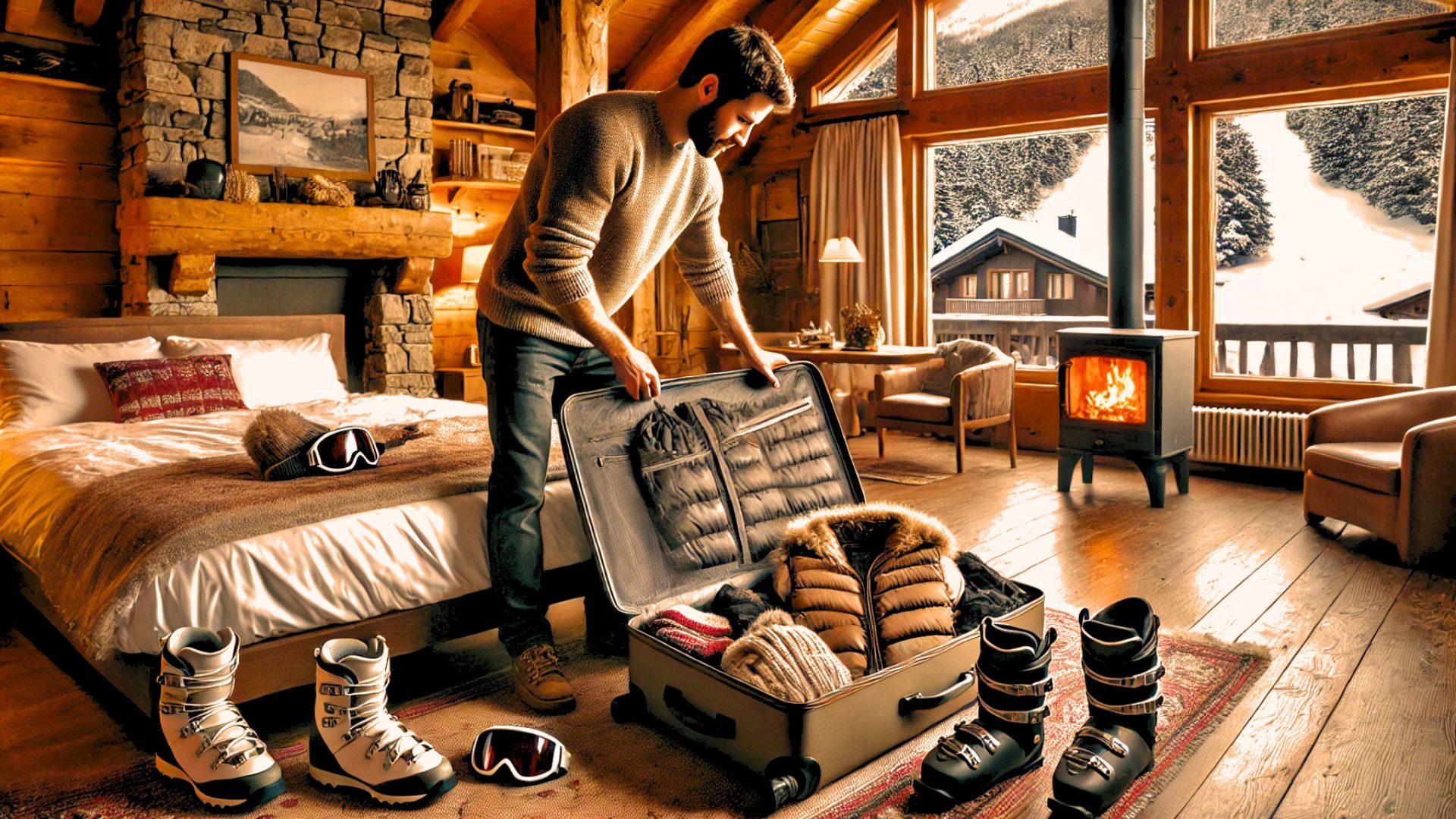
Short Excerpt
- Pack for the temperatures, precipitation, and activities you are likely to encounter rather than trying to prepare for every possible weather condition.
- Layering lets the same clothing handle hot afternoons, cold mornings, rain, wind, and changing elevations without requiring separate wardrobes.
- Lightweight fabrics, versatile footwear, weather protection, and strategic organization make multi-climate trips easier to pack without overloading your suitcase.
Quick Take
- Check both daytime and nighttime forecasts before deciding what belongs in your suitcase.
- Build around a breathable base layer, an insulating mid-layer, and weather protection when temperatures may change.
- Choose clothing that can serve more than one climate or activity instead of packing separate outfits for every condition.
- Keep bulky shoes and heavy outerwear under control because they consume suitcase space faster than most clothing.
- Use packing cubes or compression organizers to separate climate-specific gear without treating extra space as permission to overpack.
Pack For Changing Climates Without Carrying a Different Wardrobe for Every Forecast
Packing for different climates becomes much easier when you stop thinking in terms of separate hot-weather, cold-weather, and rainy-day wardrobes.
Start with the actual conditions you are likely to face, including daytime highs, nighttime lows, rain, humidity, wind, elevation, and the activities on your itinerary.
A trip with 80-degree afternoons and 55-degree evenings requires a different strategy from one that moves between a tropical coast and a cold mountain destination.
Layering gives you the flexibility to handle those changes without filling your suitcase with bulky alternatives.
Begin with lightweight clothing that works comfortably on its own, then add an insulating layer for colder periods and a weather-resistant outer layer when rain or wind is possible.
Versatile pieces become especially valuable on multi-climate trips because one shirt, sweater, jacket, or pair of pants can work in several combinations.
Footwear deserves the same scrutiny.
Rather than packing shoes for every possible condition, choose the smallest number of pairs that can comfortably handle the walking, weather, terrain, and dress requirements you genuinely expect.
Hot destinations call for breathable clothing, sun protection, and fabrics that handle moisture well.
Cold climates make lightweight insulation, thermal layers, warm accessories, and appropriate footwear more important than simply stuffing the suitcase with thick sweaters.
Rainy destinations shift the priority toward a dependable outer shell, quick-drying clothing, and shoes that can tolerate wet conditions.
Desert trips require another balance because intense daytime heat can be followed by surprisingly cool evenings.
Packing cubes and compression organizers can help separate those categories when one itinerary crosses several climates, but organization should make your luggage easier to use rather than encourage you to bring more.
The most effective climate-packing strategy gives you enough combinations to respond to changing conditions while keeping the suitcase light enough to manage throughout the trip.
Answering the First Question: How Do You Pack for Varied Climates?
The key to packing for multiple climates lies in versatility and layering.
You want to pack pieces that can easily adapt to different weather conditions.
If you’re traveling to both hot and cold destinations, for example, you’ll need to think about breathable fabrics, insulating layers, and waterproof gear.
It’s not about bringing more clothes—it’s about choosing the right items and packing strategically.
Here’s a quick overview of what you’ll need:
- Check the Forecast: Always start by researching the weather forecast for your destination.
Check for both daytime and nighttime temperatures, as well as any weather anomalies (such as sudden rain or cold fronts) that could affect your travel.
- Layering: For mixed climates, layering your clothing is the best way to adjust to different temperatures throughout the day.
Think base layers for moisture control, mid-layers for warmth, and outer layers for protection from wind, rain, or cold.
- Pack Versatile Items: Choose multifunctional clothes that can be dressed up or down.
A good rule of thumb is to opt for neutral colors and styles that can be easily mixed and matched.
- Use Packing Organizers: Packing cubes and compression bags are lifesavers.
They help keep your items organized and compact, ensuring that you maximize the space in your suitcase.
Travelpro’s Packing Cubes are perfect for separating your warm-weather clothes from cold-weather gear.
Now, let’s break down what you need for different climates and how to pack for them efficiently.
Stay Cool in Hot Climates: Breathable Fabrics & Smart Sun Protection
Tropical and warm climates require light, breathable fabrics and items that help you stay cool.
Excess heat and humidity can cause discomfort if you pack the wrong clothing, so it’s essential to focus on moisture-wicking materials that keep you comfortable.
Clothing Essentials for Hot Weather
- Moisture-Wicking Fabrics: Synthetic fabrics like polyester or nylon, along with natural fibers like linen and cotton, help regulate body temperature by drawing sweat away from your skin.
Look for lightweight and loose-fitting clothes that allow air to circulate.
For example, a lightweight linen shirt paired with cotton shorts can keep you cool and comfortable during the day.
- Sun Protection: Don’t forget items that protect you from the sun.
Pack a wide-brimmed hat, sunglasses with UV protection, and long-sleeve shirts with built-in SPF.
Lightweight, UPF-rated clothing is ideal for tropical climates where the sun can be harsh.
- Footwear: Opt for breathable sandals or lightweight sneakers.
If you plan to do a lot of walking, consider water-resistant hiking sandals.
These offer ventilation and keep your feet cool while protecting them from uneven surfaces.
- Light Layer for Evenings: Even tropical climates can experience cooler evenings, especially by the ocean.
A lightweight cardigan or a wrap is perfect for when the temperature dips after sunset.
Accessories for Warm Climates
- Portable Fan or Cooling Towel: If you’re prone to overheating, a portable fan or a cooling towel can help regulate your temperature during hot days.
- Refillable Water Bottle: Staying hydrated is critical in hot climates, so pack a lightweight, refillable water bottle to carry with you during day trips.
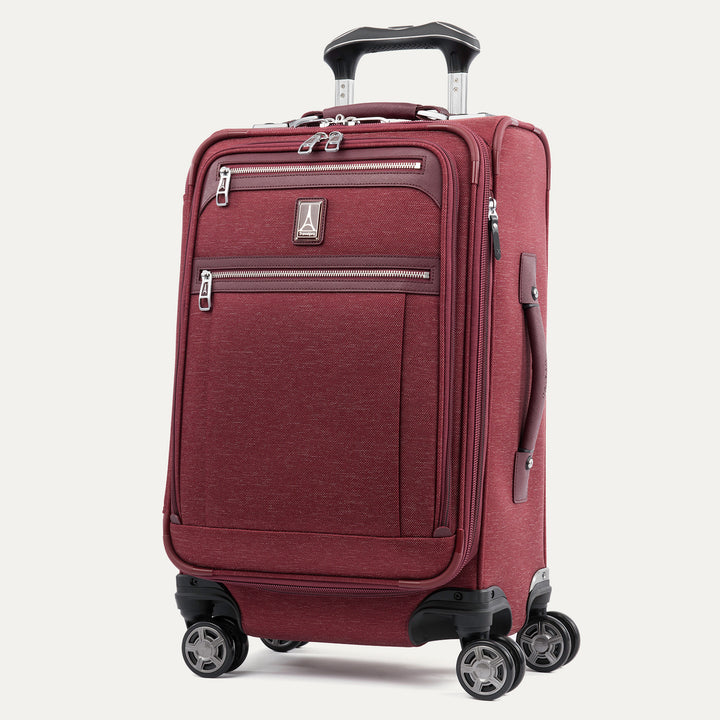
Suggested Luggage: Travelpro® Platinum® Elite Expandable Carry-On Spinner
The Travelpro® Platinum® Elite Expandable Carry-On is ideal for packing light but staying organized.
It offers ample room for your lightweight, breathable clothes and has a built-in USB port to keep your devices charged while traveling.
The expandable feature is perfect for those looking to add a little extra room for souvenirs or additional beachwear, making it a great option for tropical destinations.
Stay Warm in Cold Climates: Layering, Insulation & Travelpro Gear
For cold-weather destinations, warmth is key.
However, packing bulky items like coats, sweaters, and boots can quickly fill up your suitcase.
The solution lies in layering and choosing compact, insulating clothing that doesn’t take up too much space.
Clothing Essentials for Cold Weather
- Base Layers: Start with thermal tops and leggings.
Merino wool is an excellent choice for base layers because it’s lightweight, breathable, and insulates even when wet.
Synthetic options like polyester or nylon are also good for wicking moisture away from the body.
- Insulating Mid-Layers: This is where you get your warmth.
Fleece jackets, down vests, and sweaters made from wool or synthetic materials will provide insulation without being overly bulky.
- Outer Layer: The final layer is a waterproof and windproof jacket.
Look for insulated options that aren’t too bulky but will protect you from rain, snow, and wind.
A packable down jacket or a windproof parka is essential for extreme weather conditions.
- Accessories: Cold-weather accessories like insulated gloves, a beanie, and a scarf are small but make a huge difference in keeping you warm.
Thermal socks are also a must to pair with waterproof boots.
- Waterproof Footwear: Insulated, waterproof boots are crucial if you’ll be walking in snow or rain.
Make sure they are comfortable enough for walking long distances.
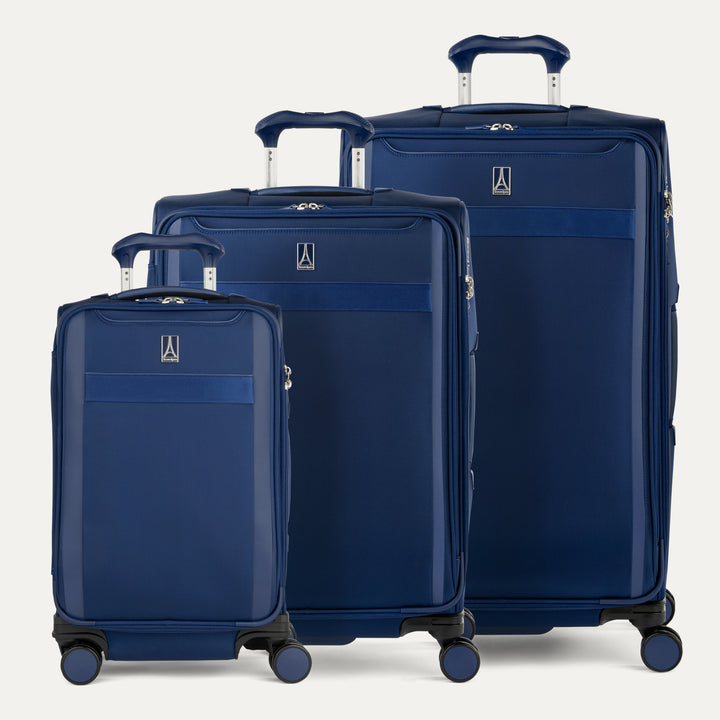
Suggested Luggage: Travelpro® Crew™ Versapack™ Global Carry-On Spinner
For colder destinations, the Travelpro® Crew™ Versapack™ Global Carry-On Spinner is perfect.
It’s spacious enough to fit bulky winter gear without being cumbersome.
Its organizational features allow you to pack efficiently, and the spinner wheels ensure smooth movement through airports or train stations, even when carrying heavier clothing.
Stay Dry in Rainy Climates: Waterproof Layers & Organized Packing
Wet weather demands waterproof gear and quick-drying fabrics.
Whether you’re exploring a city in the rainy season or hiking in a rainforest, you’ll need to be prepared for unexpected downpours.
Clothing Essentials for Rainy Weather
- Waterproof Jacket: A lightweight, packable rain jacket with sealed seams is crucial for staying dry in rainy climates.
Look for one with a hood and adjustable cuffs for maximum protection.
A jacket with a breathable membrane, like Gore-Tex, allows you to stay dry without overheating.
- Quick-Dry Fabrics: Clothing made from quick-dry fabrics, such as nylon or polyester, ensures you won’t be stuck in wet clothes for long.
These fabrics are also lightweight, making them perfect for layering.
- Waterproof Footwear: Shoes that repel water are a must.
Consider packing waterproof sneakers or hiking boots, and bring extra socks that dry quickly.
You can also include waterproof shoe covers if you’re packing light.
- Umbrella or Poncho: A compact umbrella or a foldable rain poncho should be part of your essentials when visiting a rainy destination.
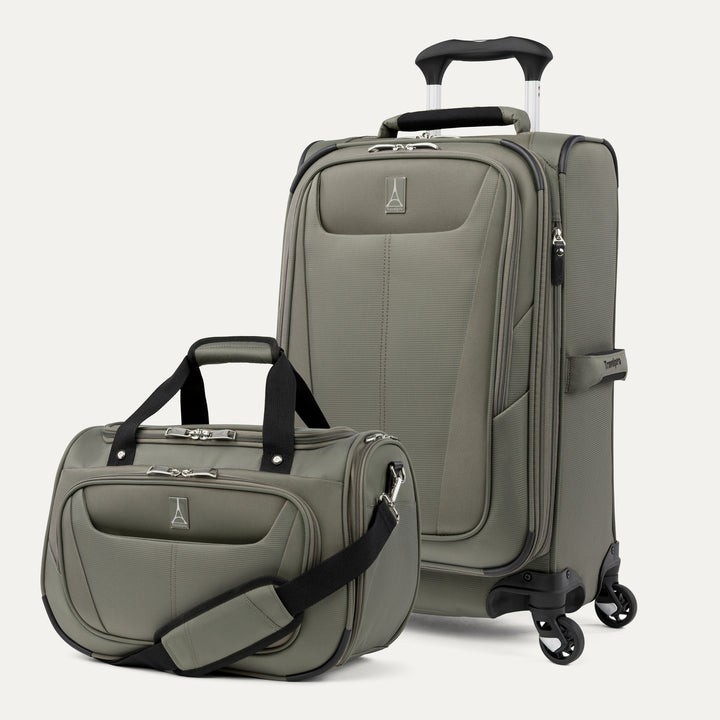
Suggested Luggage: Travelpro® Maxlite® 5 Lightweight Luggage
For wet climates, the Travelpro® Maxlite® 5 Lightweight Luggage is a great choice.
It’s water-resistant, so you can rest assured that your belongings will stay dry.
Its ultra-lightweight design means you can pack everything you need without exceeding your airline’s weight limits, and the interior compartments help you stay organized, even with wet-weather gear.
Adapt to Any Climate: Layering, Convertible Clothing & Versatile Gear
If you’re traveling to a destination where temperatures can fluctuate wildly—or if you’re visiting multiple places with different weather—packing smartly is key.
The goal here is to bring items that are lightweight and can be layered for warmth or shed when it gets hot.
Clothing Essentials for Mixed Climates
- Layering is Key: The best way to tackle varied climates is by layering.
Start with moisture-wicking base layers (such as a breathable t-shirt or long-sleeve shirt) and add a warm mid-layer (like a sweater or fleece).
Finally, top it off with a windproof and waterproof outer layer.
- Convertible Clothing: Look for clothing that can adapt to changing weather.
Convertible pants that zip off into shorts, jackets with removable linings, and packable down jackets are all smart options for trips with mixed weather.
- Footwear: Versatile shoes are a must for mixed climates.
Waterproof hiking shoes that are breathable can keep your feet dry in the rain while being comfortable enough for warmer days.
If you anticipate cold evenings, pack thermal socks to go with them.
- Accessories: A scarf or wrap is a versatile accessory that can add warmth without taking up much space.
You can use it as a shawl on chilly evenings or for added warmth on a flight.
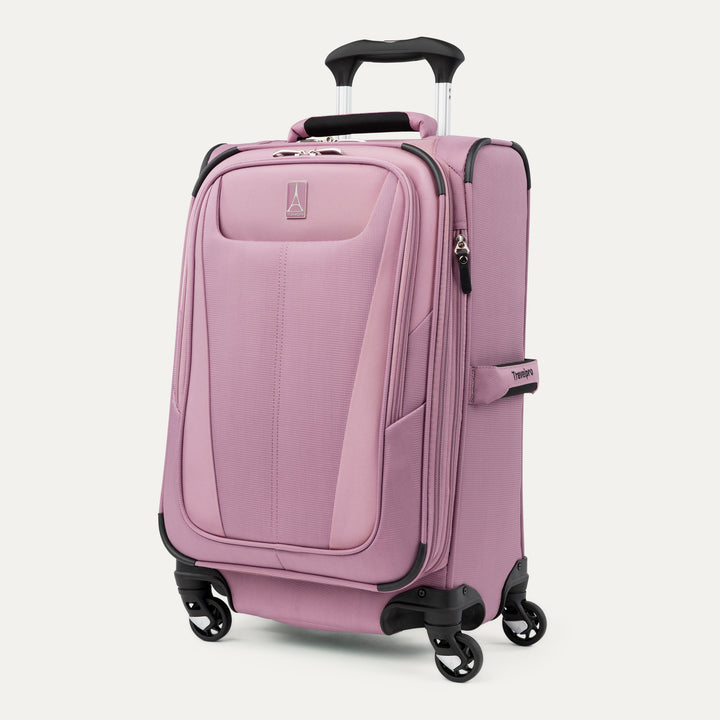
Suggested Luggage: Travelpro® Maxlite 5™ 21” Expandable Spinner
The Travelpro® Maxlite 5™ 21” Expandable Spinner is ideal for travelers heading to destinations with unpredictable weather.
Its expandable feature ensures you have enough space for layering pieces, while its lightweight structure helps you stay within airline luggage weight limits.
The spinner wheels make it easy to move around, no matter how much you’ve packed.
Gear Up for Adventure: Durable Layers & Rugged Travelpro Luggage
Outdoor adventures require durable, high-performance clothing and gear that can handle rugged terrain and extreme weather.
Whether you’re hiking, camping, or embarking on an adventure trip, your packing list will need to focus on functionality.
Clothing Essentials for Adventure Travel
- Moisture-Wicking Base Layers: When engaging in physical activities, it’s essential to wear clothes that keep moisture away from your skin.
Lightweight, moisture-wicking base layers will help regulate your temperature and keep you comfortable.
- Durable Mid-Layers: Opt for a fleece jacket or insulated vest for warmth.
Make sure it’s lightweight and packable for easy layering.
- Weatherproof Outer Layers: A breathable, waterproof jacket is necessary for unpredictable weather during outdoor activities.
Look for one with ventilation zippers to prevent overheating while on the move.
- Accessories: Don’t forget a hat, gloves, and neck gaiter for sun protection and warmth.
A good pair of sunglasses is essential for reducing glare in snowy or bright environments.
- Footwear: Choose sturdy hiking boots that offer both ankle support and water resistance.
Make sure to break them in before your trip to avoid blisters.
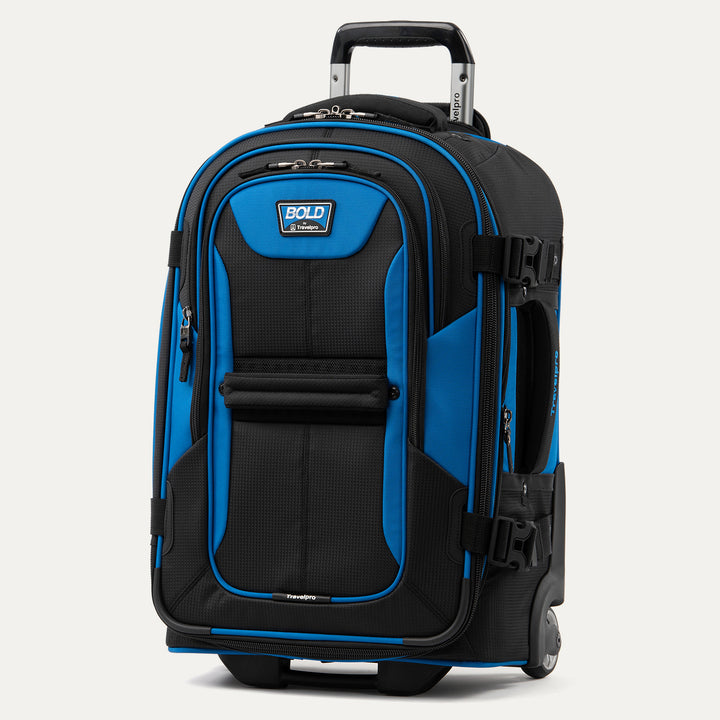
Suggested Luggage: Travelpro® Bold™ Expandable Rollaboard®
For adventure trips, the Travelpro® Bold™ Expandable Rollaboard® is designed for durability.
Its rugged build can withstand the rigors of outdoor travel, and its expandable compartments provide ample room for hiking boots, jackets, and gear.
The durable wheels make it easy to navigate rough terrain, while the multiple compartments help keep your belongings organized.
Survive Desert Travel: Lightweight Clothing & Hydration Essentials
Desert climates, while typically hot during the day, can become chilly at night.
Packing for both extremes can be tricky, but the right clothing and gear can help you stay comfortable.
Clothing Essentials for Desert Climates
- Lightweight, Loose Clothing: To stay cool in the heat, opt for light-colored, loose-fitting clothing made from breathable materials like cotton or linen.
These fabrics allow for better airflow, keeping you cool in high temperatures.
- Sun Protection: Deserts are known for their intense sun.
A wide-brimmed hat, sunglasses, and a high-SPF sunscreen are non-negotiable.
You can also opt for lightweight clothing with built-in UV protection to minimize sun exposure.
- Warm Layers for Nighttime: While days in the desert can be sweltering, temperatures often drop significantly at night.
Bring a warm layer, such as a light jacket or sweater, for cooler evenings.
- Hydration Essentials: In dry climates, staying hydrated is crucial.
Pack a refillable water bottle and make sure to drink plenty of water throughout the day.
Suggested Luggage: Travelpro® Maxlite® 5 International Expandable Carry-On Spinner
For desert travel, the Travelpro® Maxlite® 5 International Expandable Carry-On Spinner is an excellent option.
Its lightweight design makes it easy to carry, and the expandable feature offers extra space for hats, water bottles, or additional layers.
The spinner wheels ensure smooth movement, even on uneven surfaces like desert sand.
Conquer City Weather: Stylish Layers & Travelpro Organization
Urban trips can bring their own challenges, especially if you’re visiting a city with unpredictable weather.
One day might be sunny and warm, while the next could bring rain or colder temperatures.
The key here is versatility and style, with a focus on packing smart without sacrificing comfort.
Clothing Essentials for City Travel
- Smart Casual Attire: Opt for versatile pieces that can transition easily from day to night.
Think dark jeans or tailored trousers paired with wrinkle-resistant shirts.
You’ll want to be comfortable for sightseeing during the day while being stylish enough for dinner in the evening.
- Packable Outerwear: A stylish raincoat or trench coat that can be packed easily is perfect for city breaks where rain is always a possibility.
Choose a coat that’s lightweight yet weather-resistant, so you’re prepared for any sudden downpours.
- Comfortable Footwear: You’ll likely be doing a lot of walking, so pack shoes that are comfortable yet stylish.
Sneakers or walking shoes with good arch support are ideal for all-day wear.
If you plan on going out at night, a dressier pair of shoes should also be included.
- Day Bag: A lightweight day bag or backpack is perfect for carrying your essentials—like an umbrella, extra layers, or a water bottle—during a day of sightseeing.
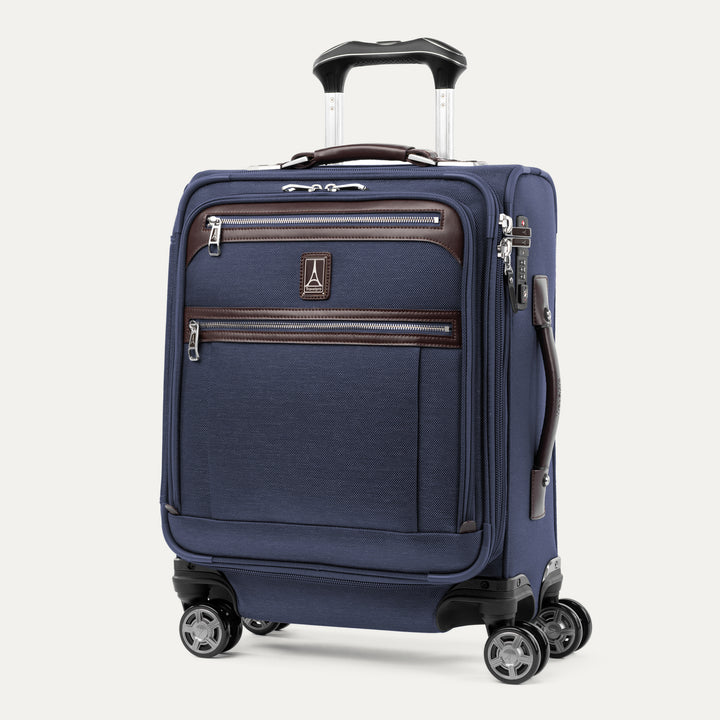
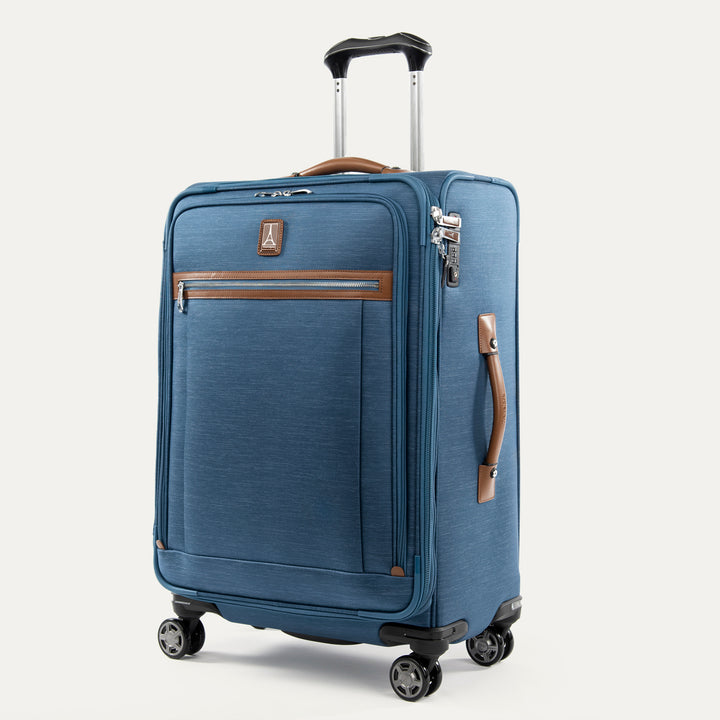
Suggested Luggage: Travelpro® Platinum® Elite 25″ Expandable Spinner
For urban destinations with unpredictable weather, the Travelpro® Platinum® Elite 25″ Expandable Spinner offers style and functionality.
Its sophisticated design allows you to pack your versatile wardrobe, while the expandable feature ensures you have space for extra layers.
Plus, its spinner wheels make navigating busy city streets or airports a breeze.
Stay Organized: Packing Cubes, Compression Bags & Travelpro Kits
Staying organized while packing for multiple climates is crucial to avoid overpacking or losing track of important items.
Here are some must-have packing tools:
- Packing Cubes: Travelpro’s packing cubes allow you to separate your items by type or climate.
For example, you can pack all your cold-weather gear in one cube and warm-weather gear in another, making it easy to grab what you need without unpacking everything.
- Compression Bags: For bulky items like sweaters and jackets, compression bags are a great way to reduce the amount of space they take up.
They can help fit more into your luggage without adding extra bulk.
- Toiletry Kit: Travelpro’s toiletry kits ensure that all your personal care items are organized and leak-proof.
Having a dedicated space for toiletries reduces the risk of spills and makes it easier to access your essentials during your trip.
Master Packing: Travelpro Solutions That Simplify Every Climate
Packing for varied climates requires a thoughtful approach and the right tools.
Whether you’re heading to a tropical paradise, a snowy retreat, or a bustling city with unpredictable weather, you can pack efficiently by focusing on versatile clothing, layering, and staying organized.
With the help of Travelpro products, you can ensure that your travel experience is as smooth and stress-free as possible.
And Travelpro offers FREE SHIPPING on all orders over $99!
So, basically free shipping on almost everything.
By investing in the right luggage and packing smartly, you’ll be prepared for any weather conditions you encounter.
And remember, packing light doesn’t mean sacrificing comfort—it’s about making thoughtful choices that allow you to enjoy your trip without being weighed down by unnecessary items.
FAQ – How Can You Pack for Hot, Cold, Rainy, And Changing Climates Without Overpacking?
How Do You Pack for Both Hot and Cold Weather on the Same Trip?
Build your wardrobe around layers rather than packing two completely separate sets of clothing.
Lightweight shirts can serve as warm-weather clothing and become base layers when temperatures fall.
Add a compact insulating layer such as fleece, wool, or a packable jacket, then include an outer shell when rain or wind is likely.
This system gives you several temperature combinations while using less suitcase space than bulky standalone outfits for every condition.What Clothing Works Best in Hot and Humid Climates?
Lightweight, breathable clothing usually provides the most comfort when heat and humidity are high.
Loose-fitting fabrics allow more air circulation, while moisture-managing materials can make long sightseeing days more comfortable.
Sun protection should also influence what you pack, including a hat, sunglasses, sunscreen, and lightweight clothing that covers exposed skin when appropriate.
Bring one light layer for heavily air-conditioned interiors, breezy evenings, or unexpected temperature drops.What Should You Pack for Cold or Snowy Destinations?
Start with thermal or moisture-managing base layers that sit close to the body without adding excessive bulk.
Add an insulating middle layer such as fleece, wool, or a lightweight insulated jacket to retain warmth.
Your outer layer should match the conditions, with wind and water protection becoming especially important when snow, freezing rain, or strong winds are possible.
Warm socks, gloves, headwear, and suitable footwear can provide substantial comfort without occupying as much suitcase space as additional heavy clothing.How Should You Pack For A Rainy Destination?
A lightweight waterproof or highly water-resistant outer layer should be one of your highest priorities.
Quick-drying clothing becomes useful because it reduces the inconvenience of spending the day in damp fabrics after an unexpected downpour.
Footwear should match both the amount of rain expected and the walking conditions, since soaked shoes can become a bigger problem than a wet shirt.
A compact umbrella or packable poncho can add another layer of protection without consuming much luggage space.What Is the Best Way to Pack for Unpredictable Weather?
Check the forecast shortly before departure, but prepare for reasonable variations rather than treating the forecast as a guarantee.
A flexible combination of base layers, a light insulating piece, and a protective outer layer can handle a surprisingly wide range of conditions.
Choose pieces that work together so you can add or remove clothing as temperatures change throughout the day.
This approach is particularly useful for spring and fall trips, mountain destinations, and cities known for rapid weather shifts.What Should You Pack for a Desert Climate with Hot Days and Cool Nights?
Choose loose, lightweight clothing that provides comfort and sun protection during the hottest parts of the day.
A hat, sunglasses, sunscreen, and refillable water bottle become particularly useful when shade is limited and conditions are dry.
Do not assume daytime heat means you can eliminate warmer clothing entirely.
A light sweater, fleece, or packable jacket can make evenings and early mornings considerably more comfortable when desert temperatures drop after sunset.How Can You Pack for Several Climates Without Overpacking?
Look for clothing that performs more than one job before adding climate-specific pieces.
A breathable long-sleeve shirt, for example, can offer sun coverage in warm weather and become part of a layering system when temperatures fall.
Keep footwear versatile and avoid bringing multiple bulky jackets when one adaptable outer layer can handle several conditions.
Planning laundry during longer trips can reduce the amount of clothing you need even when the itinerary spans several climates.Are Packing Cubes Useful When Traveling Through Different Climates?
Packing cubes can make multi-climate luggage easier to organize because they let you separate warm-weather pieces, cold-weather layers, underwear, accessories, or other categories.
That organization can be particularly useful when you need only one type of clothing at a particular stop and do not want to unpack the entire suitcase.
Compression-style organizers may also reduce the volume of soft items such as sweaters or insulated layers.
Avoid using the recovered space simply to add unnecessary clothing, or the organizers can contribute to overpacking instead of preventing it.How Many Pairs of Shoes Should You Pack for Different Weather Conditions?
Start with the terrain and activities on your itinerary rather than trying to bring footwear for every possible type of weather.
One comfortable walking shoe that handles the majority of the trip should form the foundation of your footwear plan.
Add another pair only when you have a genuine need, such as waterproof footwear, sandals, hiking shoes, or something appropriate for dressier evenings.
Choosing versatile shoes is especially important on multi-climate trips because footwear is among the bulkiest and heaviest items most travelers pack.What Should You Check Before Packing for a Different Climate?
Review expected high and low temperatures, precipitation, humidity, wind, elevation, and any major differences between the locations on your itinerary.
Then compare those conditions with what you will actually be doing, since sightseeing, hiking, dining, beach days, and outdoor excursions create different clothing requirements.
Look for weather gaps that can be solved through layering before adding entirely separate outfits.
A final review of your suitcase should leave you prepared for realistic changes in weather without carrying clothing for conditions you are unlikely to encounter.