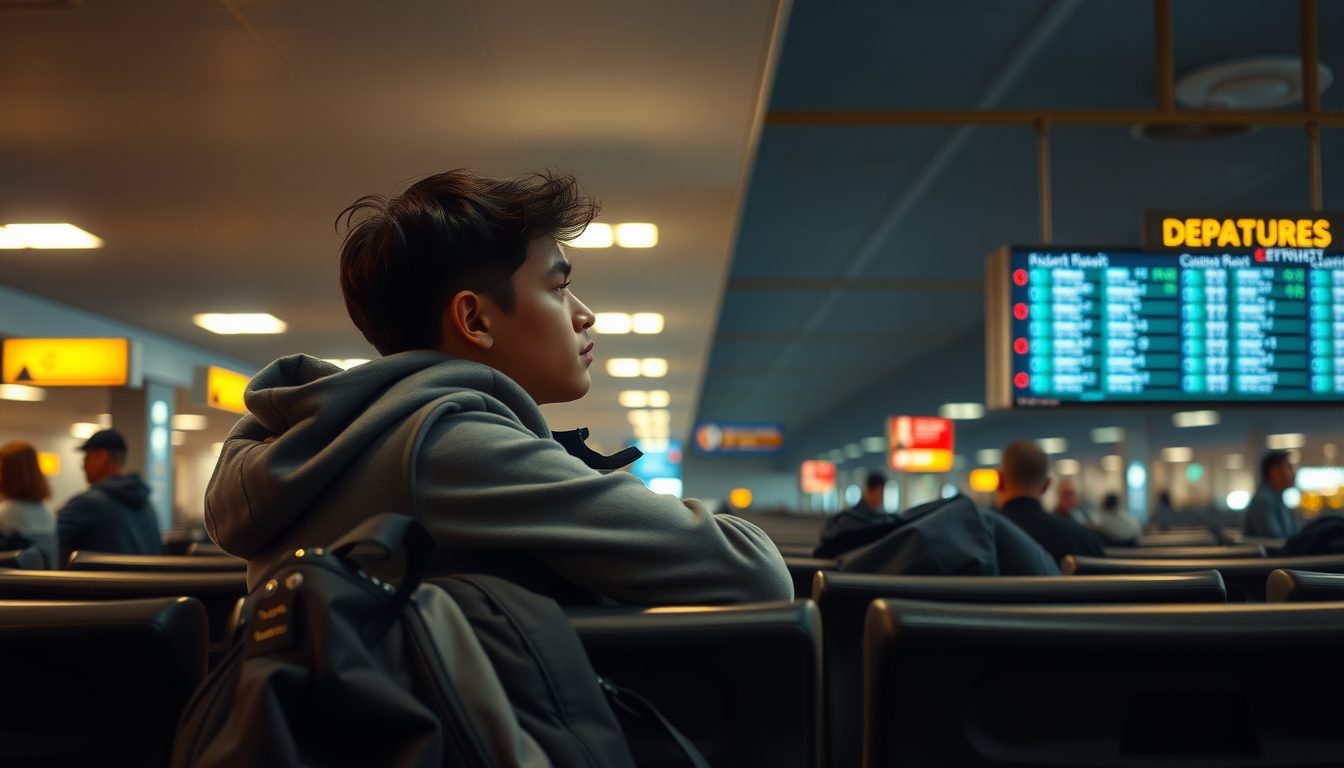
Red-eye flights can save students serious money—but only if you plan smart.
A red-eye is the classic student travel move for one reason.
It is cheap in a way daytime flights rarely are.
You give up a normal night, and you get a lower fare plus a full day on the other side.
That trade can be worth it, especially when your budget is tight and your calendar is crowded.
The problem is that a bad red-eye can make the “cheap” choice feel expensive.
You land exhausted, you spend money on fixes, and you lose a day you wanted to use.
The goal is not luxury.
The goal is budget comfort that lets you sleep enough to function without spending like a business traveler.
Why Students Choose Red-Eyes—and How to Make Them Work for You
Students take red-eyes because the schedule lines up with real life.
Classes happen during the day.
Work shifts happen during the day.
Red-eyes let you travel when you are least likely to miss responsibilities.
They can also reduce hotel nights because you arrive early.
That matters when you are stretching every dollar.
Still, “cheap flight” is not the same thing as “cheap trip.”
A smarter red-eye plan protects your energy so you do not spend extra money recovering.
The Hidden Costs
When you are exhausted, you make more expensive choices.
You order more rides instead of walking or taking transit.
You buy random snacks at airport prices because you forgot to plan.
You pay for last-minute early check-in because you cannot handle the wait.
You miss a prepaid tour because you cannot wake up on time.
These costs feel small in the moment, then they add up fast.
The best budget hack is not finding one cheaper fare.
It is landing steady enough that you do not panic-spend.
The Value Of “Arrive Ready”
When you land with decent sleep, your first day becomes useful.
You can explore, attend an event, or get to campus on time.
You can also think clearly enough to navigate a new city without feeling stressed.
That reduces mistakes, and mistakes cost money.
For budget travelers, readiness is what protects the trip’s value.
It is not about looking polished.
It is about feeling capable and calm.
That is what makes the trip feel like freedom instead of exhaustion.
Student-Friendly Takeaways
Cheap Can Still Cost You
A low fare is only a win if you avoid spending extra money recovering.
Sleep Protects Your Budget
Better rest reduces panic spending on rides, food, and last-minute fixes.
Arrival Day Is The Prize
A red-eye is worth it when you can actually use the day you gain.
Planning Is A Power Move
The best student travel strategy is controlling the little things early.
The Cheapest Red-Eye Upgrade: Smart Seat and Timing Choices
Most students think upgrades mean paying for premium cabins.
Sometimes it does.
Often it does not.
The best low-cost improvements come from timing, seat choices, and avoiding disruption traps.
A flight that leaves too early can ruin your chance of sleep.
A flight that lands too late can destroy your first day.
A connection that looks cheap can cost you hours and money if it fails.
So start with the choices that cost nothing or almost nothing.
Timing That Supports Sleep
If your red-eye leaves too early, your body may not be ready to sleep.
You sit there bored and alert, and then you finally get tired right before landing.
That is the worst outcome.
A later departure often creates better sleep pressure.
You are naturally more ready to downshift after a longer day.
Look for flights where you can realistically sleep for several hours after takeoff.
Also consider arrival time.
A landing that gives you daylight and a calm start can save your whole day.
Window Versus Aisle
A window seat is often the best budget sleep upgrade available.
It gives you a stable lean position and fewer interruptions.
You are not getting bumped every time someone in your row stands up.
You also avoid aisle cart collisions, which are sleep killers.
An aisle seat can be worth it if you know you will need the bathroom.
Comfort matters, and bathroom anxiety ruins sleep too.
The point is choosing a seat that matches your actual body and habits.
That choice costs little but changes everything.
Avoiding Connection Chaos
Cheap red-eyes sometimes look amazing until you see the connection.
Two connections and a tight layover can destroy your sleep plan.
They can also raise the chance of missed connections, which costs money fast.
If you are traveling on a tight budget, reliability is part of your savings plan.
Omio can help you compare schedules and connections quickly.
Kiwi.com can surface creative routes, but creative often means higher risk.
CheapOair and AviaSales can help you spot fare differences, yet always weigh that against connection complexity.
One smoother flight can save money you would otherwise spend fixing a broken itinerary.
Seat And Timing Takeaways
Timing Creates Sleep
Late departures often make rest more realistic than early-night departures.
Window Seats Are A Budget Win
They reduce interruptions and support a more stable sleep posture.
Cheap Connections Can Be Expensive
A missed connection can cost more than the fare savings instantly.
Reliability Protects Your Wallet
A simpler itinerary often saves money in the real world.
Budget Comfort Hacks That Help You Sleep on Red-Eyes
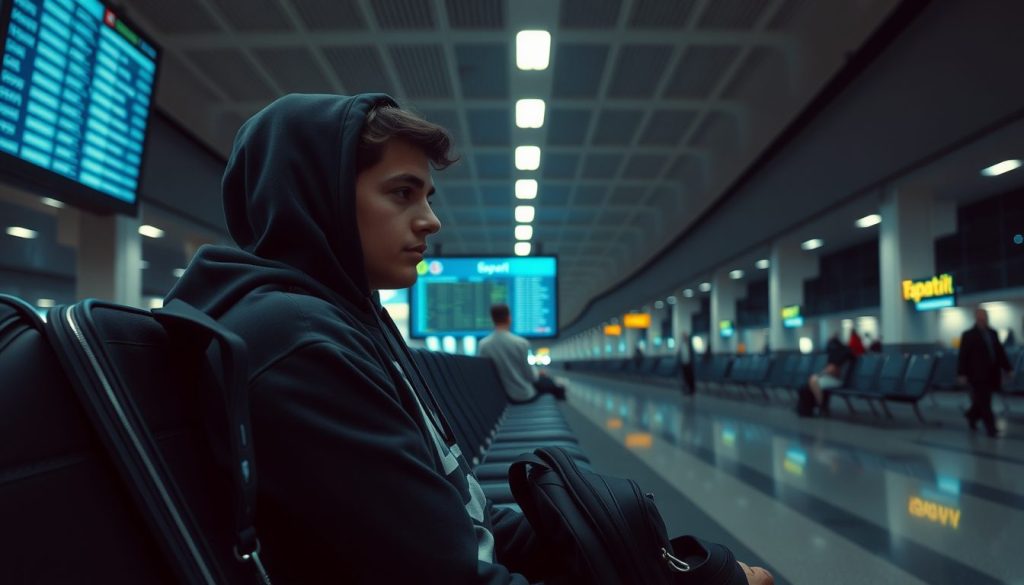
You do not need a luxury kit to sleep better on a plane.
You need a few basic items that reduce the biggest sleep disruptors.
Those disruptors are light, noise, and posture.
A cabin is bright, noisy, and not designed for real rest.
So your goal is turning it into a more predictable environment.
Predictable is what allows sleep.
And predictable can be built on a student budget.
Light Control On A Budget
Light is a strong wake signal, even when you feel tired.
A simple eye mask can block cabin flashes and neighbor screens.
If you do not have one, a hoodie and a scarf can help in a pinch.
Dim your phone brightness early and stop watching stimulating content right before sleep.
If you keep scrolling, your brain keeps scanning.
Scanning is the opposite of sleeping.
Set a shutdown moment and treat it like a rule.
That moment is free and it works.
Noise Control Without Fancy Gear
Noise-canceling headphones are great, but they are not required.
Basic foam earplugs are cheap and effective for noise spikes.
Noise spikes are what wake you up, not steady cabin hum.
If you use headphones, choose something comfortable enough to wear while resting.
If you listen to audio, pick something steady and non-dramatic.
Avoid intense podcasts or anything that makes you think too hard.
You want your mind to fade, not engage.
A simple sound plan can turn “dozing” into real rest.
Posture Hacks That Cost Almost Nothing
Posture is the difference between light sleep and repeated wake-ups.
If your neck keeps dropping, you keep waking without remembering it.
A travel pillow can help, but you do not need an expensive one.
A hoodie rolled into a neck support can work surprisingly well.
A small scarf can stabilize your head if you lean toward the window.
If your lower back hurts, a folded sweater behind you can help.
The key is finding one comfortable position and stopping adjustments.
Constant adjusting keeps your body alert.
Cheap Comfort Takeaways
Darkness Helps Sleep Start
A simple mask or hoodie solution reduces light signals that keep you awake.
Earplugs Beat Noise Spikes
Cheap earplugs often improve sleep quality more than expensive gadgets.
Posture Prevents Micro-Wakes
Neck stability can turn a restless night into usable recovery.
Shutdown Is Free
Stopping screens before sleep is one of the highest-ROI travel habits.
Budget Food and Snack Tips to Avoid Airport Price Traps
Airport food is expensive because it can be.
Red-eyes make this worse because your timing is odd and options are limited.
You can easily end up paying for snacks that do not even make you feel good.
Then you wake up dehydrated and annoyed.
So the move is bringing simple food that supports sleep and saves money.
You are not packing a picnic.
You are packing stability.
Stability is what makes a red-eye feel manageable.
The Best Cheap Snacks For Overnight Flights
Pick snacks that do not spike your blood sugar and crash you later.
Nuts, protein bars, and simple sandwiches are usually better than candy.
Fruit can work if your stomach handles it well, and it also helps hydration.
Avoid super salty snacks because they increase thirst and dryness.
Avoid foods that trigger reflux for you, because reflux fragments sleep.
Bring a small snack you can eat quietly if hunger wakes you mid-flight.
This keeps you from buying overpriced food during a layover when you are tired.
It also keeps your mood steadier, which matters more than you think.
Water Strategy Without Bathroom Panic
Hydration matters, but chugging water all night is not the goal.
Sip steadily earlier, then lighten up during your sleep window.
Drink water again after landing, because dry cabin air adds fatigue.
A refillable bottle saves money instantly, because airport water is a price trap too.
Fill it after security and keep it accessible.
If you like electrolytes, bring a packet, but keep it simple.
The goal is feeling normal, not running an experiment.
Feeling normal is how you enjoy the first day.
Meal Timing
If you can, eat a normal meal before the airport.
Airport meals cost more and often digest worse.
A stable meal before boarding reduces the urge to snack mindlessly later.
It also helps you time sleep better, because you are not hungry at 2 a.m.
If you will eat on the plane, keep it moderate and avoid heavy greasy food.
Heavy meals can ruin sleep and make you feel off after landing.
This is not about diet rules.
It is about comfort and budget in the real world.
Snack Takeaways
Bring Your Own Stability
A simple snack plan prevents overpriced purchases and supports better sleep.
Water Saves Money
A refillable bottle protects your energy and your wallet.
Timing Reduces Cravings
Eating before the airport often prevents expensive impulsive buying later.
Moderate Meals Sleep Better
Lighter food usually means better rest and a better arrival mood.
Top Tech Tools for Safer, Smarter Student Travel
Tech does not have to be expensive to be useful.
A few smart tools can reduce friction, improve safety, and protect your sleep plan.
The biggest tech problem on red-eyes is connectivity.
When your phone does not work after landing, everything becomes harder.
Maps, transit, reservations, and messages all fail at once.
That failure creates stress, and stress makes jet lag and fatigue feel worse.
So you plan connectivity like it is an essential, not a luxury.
eSIM Options That Can Save You Money
If you travel internationally, an eSIM can be cheaper than roaming.
It can also be faster than finding a SIM shop while tired.
Airalo is a common choice for quick setup in many destinations.
Yesim can be useful when you want another plan style to compare.
Drimsim can fit travelers who want flexibility across multiple countries.
Sally Sim gives you another option if you prefer to compare alternatives.
The best pick depends on where you are going and how much data you use.
What matters most is landing with service so you can move confidently.
Safer Wi-Fi When You Need It
Sometimes you will use public Wi-Fi, especially in airports.
If you do, protecting your connection can reduce risk.
NordVPN can help secure your traffic on networks you do not control.
This matters more when you log into banking, email, or school portals.
If you are concerned about long-term data exposure, Incogni can help reduce data broker access.
That is not required for everyone, but some travelers like the added control.
Less digital worry means a calmer mind.
A calmer mind makes sleep more likely on a red-eye.
Storage And Flexibility Apps
Budget travel often includes awkward gaps between arrival and check-in.
If you cannot check in early, dragging bags kills your day.
Radical Storage can help you stash bags and explore without carrying everything.
That is a big quality-of-life upgrade that often costs less than a taxi ride.
It also helps you avoid sitting somewhere bored and tired just because you have luggage.
When you move in daylight, you adjust faster and feel better.
So storage is not only convenience.
It is part of your energy plan.
Tech Takeaways
Connectivity Prevents Stress
Landing with data makes the first hour easier and keeps your mood steady.
eSIMs Can Save Money
They reduce roaming costs and prevent frantic searching for SIM stores.
Security Supports Calm
Protecting public Wi-Fi can reduce anxiety and improve sleep readiness.
Storage Unlocks The Day
Dropping bags helps you explore and adjust without wasting time.
Budget-Friendly Travel Upgrades That Are Actually Worth It
Some upgrades are not worth it on a student budget.
Others are surprisingly high ROI when the trip matters.
The key is knowing what you are buying.
You are not buying luxury.
You are buying usable rest and a smoother first day.
If that smoother first day saves you money and stress, it can be worth it.
So think in terms of outcomes, not labels.
Seat Selection Fees
Paying a small seat selection fee for a window can be worth it.
It increases your chance of sleeping, which protects your first day.
If you do not care about sleep, skip it.
But if the next day matters, a window seat is often the best value upgrade.
Avoid seats near bright galleys if you can, because light ruins sleep.
Also avoid high-traffic rows if you are easily woken.
These small choices cost less than a single airport meal.
And they often matter more.
One Simple Comfort Item
If you spend money on one item, choose something that reduces interruptions.
Earplugs are cheap and effective.
An eye mask is also cheap and effective.
A compact travel pillow can be useful if your neck is a problem.
You do not need to buy all of it at once.
Start with the item that fixes your biggest sleep issue.
Then build the kit over time as you travel more.
That approach respects a student budget and still upgrades your experience.
Insurance When The Trip Is A Big Deal
Not every trip needs insurance.
But some trips have stakes, like prepaid lodging, a once-a-year festival, or tight timing.
In those cases, travel insurance can protect your money when plans shift.
World Nomads, VisitorsCoverage, Ekta, and Insubuy are worth comparing when you want coverage fit.
The value is protection against cancellations, delays, and interruptions that could wipe out your budget.
If a disruption would force you to rebook everything, insurance can be the difference between “annoying” and “ruined.”
This is not fear.
It is protecting a rare trip you worked hard to afford.
Upgrade Takeaways
Window Seats Are High ROI
A small seat fee can buy better rest and a stronger arrival day.
Buy One Fix First
Choose the item that solves your biggest sleep problem, then build slowly.
Insurance Should Match Stakes
Coverage matters most when a disruption would wipe out your budget.
Outcomes Beat Labels
Pay for upgrades that change the day, not upgrades that change the marketing.
How to Make Your First Travel Day Work—Even on No Sleep
Sometimes you will not sleep well.
That does not mean the trip is doomed.
It means you run a first-day plan that is gentle, smart, and budget-friendly.
The mistake is trying to force a huge day because you are excited.
That often leads to a crash and a wasted evening.
Instead, you use daylight, movement, and timed rest to stabilize.
Then you protect an early bedtime so you recover quickly.
That is how you turn a rough flight into a good trip.
The Student Arrival Playbook
After landing, drink water and get outside in daylight.
Choose one easy “anchor” activity like a market, a park, or a scenic neighborhood walk.
If your room is not ready, store bags at the hotel or use Radical Storage and move on.
Spend midday in a café or museum that has seating so you can pace yourself.
If you nap, keep it short and set an alarm.
Eat on local time so your body starts adjusting faster.
Then keep the evening simple and earlier than you think.
That early night is what resets you for day two.
Budget Wins On Arrival Day
Use transit when you can, because rides add up fast.
Bring your own snacks so you do not buy expensive “tired food.”
Use an eSIM so you can navigate easily without roaming fees.
Airalo, Yesim, Drimsim, and Sally Sim can be compared based on destination and data needs.
If you need public Wi-Fi, protect it when you log into personal accounts.
NordVPN can help reduce risk on networks you do not control.
If your flight is disrupted and you lose money, claims help can matter.
AirHelp and Compensair can help you pursue eligible support in some scenarios.
First-Day Takeaways
Daylight Stabilizes You
A short walk outside can improve mood and reduce fog quickly.
Gentle Plans Beat Big Plans
Pacing keeps you from crashing and protects the evening.
Storage Protects Freedom
Dropping bags makes the day easier and often saves money too.
Early Bedtime Fixes More
One good night can erase most of the fatigue by day two.
Travel Cheap, Sleep Better, and Keep Your Trip Fun and Stress-Free
A red-eye can be a smart student move when you treat it like a system.
You pick a timing that supports sleep.
You choose a seat that reduces interruptions.
You bring simple snacks so you do not pay airport prices.
You use tech tools so the first hour after landing is smooth and calm.
You spend money only on the upgrades that actually change your experience.
Then you land with enough energy to enjoy the day you gained.
That is budget travel done with confidence, not luck.
FAQ – Red-Eye Flight Strategies to Sleep Better and Save Money
What two pouches should I pack for a red-eye and why?
A sleep pouch holds items you need from boarding through lights-out to support faster sleep onset.
A landing pouch stores quick-refresh essentials you will use immediately after waking to feel present on arrival.
Separating pouches streamlines access and prevents tired-brain fumbling during the flight.How should I layer clothing to stay comfortable on a red-eye?
Start with a breathable base layer, add a removable mid-layer, and bring an outer layer that doubles as a blanket to manage cabin temperature swings.
Choose fabrics that wick moisture and avoid trapping heat so you can regulate warmth without overheating.
Layering supports steady body temperature and improves sleep continuity.Which non-medication sleep aids work best on overnight flights?
Use an eye mask to create darkness cues that encourage sleep onset.
Use foam earplugs or comfortable over-ear headphones to reduce noise spikes and protect sleep continuity.
Use a small neck support or rolled sweater to stabilize posture and reduce micro-wakeups.What tech essentials should I keep accessible to avoid red-eye friction?
Carry a charged power bank and the correct charging cable plus a short backup cable to protect device uptime.
Download calming audio, white-noise tracks, or offline maps before boarding to prevent connectivity stress.
Keep these items in an outer pocket so you can top off devices during boarding and preserve arrival confidence.How can I manage hydration and snacks to feel better on arrival?
Bring a refillable water bottle and sip steadily before your sleep window to reduce dryness and headaches.
Pack two to three simple snacks like nuts or a protein bar to prevent late-night hunger and mood dips.
Avoid salty or high-sugar snacks that increase thirst or cause energy crashes.Which toiletries make the biggest difference for a quick refresh after a red-eye?
A toothbrush and small toothpaste used before landing dramatically improve how you feel on arrival.
Face wipes, a small moisturizer, and lip balm reduce dryness and restore a fresher appearance.
Store essential medications in your personal item so you can access them without checking bags.What seat and posture strategies help me actually rest on a red-eye?
Use a neck support and a small lumbar roll like a folded sweater to stabilize posture and reduce micro-wakeups.
Choose a window seat if you prefer to lean and avoid aisle interruptions when possible.
Rely on simple mechanical supports rather than expensive gadgets to maximize real sleep benefits.How do I prepare connectivity for international arrivals?
Consider an eSIM or preloaded local data plan to avoid roaming delays and SIM shop hassles.
Save offline directions and confirmations so you can navigate immediately after landing.
Secure public Wi-Fi with a VPN to protect sensitive confirmations and reduce arrival stress.What should I pack if I expect weather disruptions or hurricane season delays?
Include a compact rain layer and a lightweight waterproof cover for your carry-on to protect essentials.
Keep printed or offline copies of critical reservations and emergency contacts in an easily reachable spot.
Pack an extra small snack and water to support short delays and maintain decision-making capacity.How do I apply the 90-second rule so I’m not digging in the dark?
Place true essentials in outer pockets or the top layer of your bag so you can reach them within ninety seconds.
Practice packing for “tired you” rather than “organized-at-home you” to prevent panic and preserve dignity on arrival.
Treat the 90-second rule as a habit that reduces friction and keeps you calm during overnight travel.