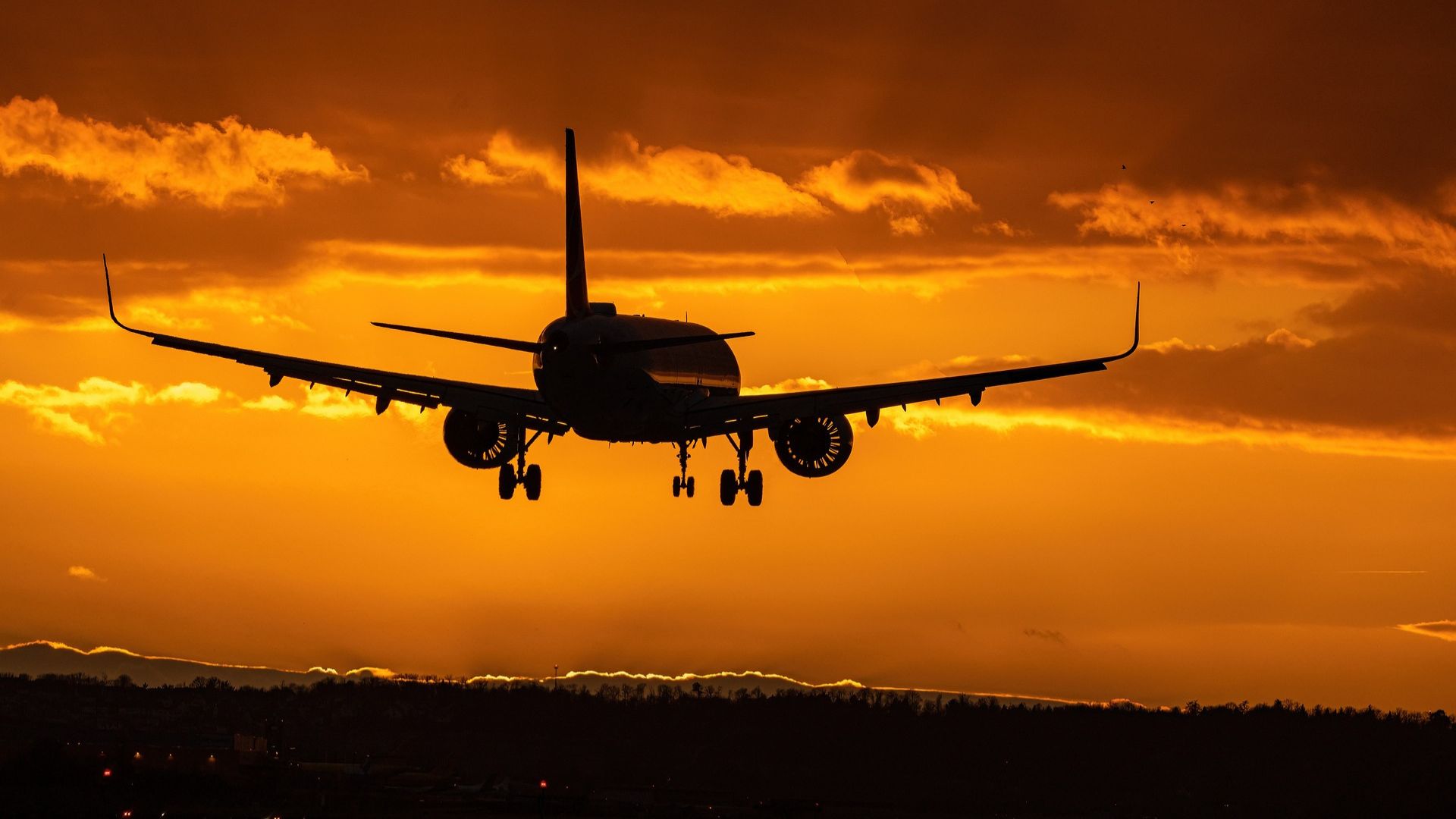
Red-eye flights save time and money but often test your comfort and energy.
With the right strategies, you can sleep better, reduce jet lag, and arrive refreshed.
From seat selection to sleep accessories, every choice shapes your overnight journey.
These practical red-eye flight tips ensure your trip feels less exhausting and more rewarding.
Let’s dive into how you can make the most of your next overnight flight.
Choose the Right Seat for Comfort and Rest
Your seat selection is one of the most important factors in determining how comfortable your red-eye flight will be.
Here’s a detailed breakdown of what to consider when choosing your seat:
Window Seat for Leaning Support
The window seat is a favorite for many red-eye travelers.
The ability to rest your head against the wall of the plane can make it easier to find a comfortable sleeping position.
Additionally, you won’t have to worry about other passengers climbing over you to use the restroom, which minimizes disruptions.
If you’re planning to sleep, the window seat is ideal.
Aisle Seat for Easy Access
If you prefer the freedom to stretch your legs and move around, the aisle seat might be a better option.
This is especially true on longer flights when you might need to use the restroom or walk around to prevent stiffness.
However, the downside is that you might be disturbed by passengers getting up during the flight.
If easy access is more important to you than undisturbed sleep, the aisle seat could be your go-to.
Avoid the Back Row
Seats at the back of the plane may seem quiet and away from the crowd, but they often come with limitations, such as restricted recline and proximity to the lavatories, where people may gather and chat.
If you want to sleep comfortably, avoid the back row and opt for a seat in the middle or toward the front of the cabin.
Consider Upgrading for Extra Space
If your budget allows, upgrading to premium economy or business class can drastically improve your overnight flight experience.
These upgraded seats usually offer more legroom, better recline angles, and added comfort features like footrests, blankets, and pillows.
The extra space and amenities make it easier to get comfortable and fall asleep, turning your red-eye flight into a more restful experience.
Pack Sleep Accessories That Support Rest on Red-Eye Flights
Flying overnight without the right gear can leave you feeling tired and stiff upon arrival.
Here’s what you should pack to help you sleep more comfortably on a red-eye flight:
Neck Pillow
A good neck pillow can prevent neck strain and keep your head from falling forward while you sleep.
Inflatable neck pillows are convenient for travelers as they don’t take up much space and can be easily stored in your carry-on.
Alternatively, memory foam neck pillows provide better support and comfort, though they’re bulkier.
When choosing a pillow, make sure it suits your personal sleeping preferences.
Noise-Canceling Headphones or Earplugs
The noise level on an airplane can make it difficult to sleep.
The constant hum of the engines, chatter from fellow passengers, and other disruptive noises can disturb your rest.
Investing in a pair of high-quality noise-canceling headphones can drown out these sounds, allowing you to listen to relaxing music or white noise.
If headphones are too bulky, earplugs are a compact alternative that can block out unwanted noise effectively.
Sleep Mask
Light from the cabin or your neighbor’s screen can prevent you from falling asleep.
A good sleep mask will block out light and help your brain signal that it’s time for sleep.
When selecting a mask, opt for one that’s soft and contoured to fit your face comfortably without putting pressure on your eyes.
Travel Blanket
Airplanes tend to be cold, especially during overnight flights.
While some airlines provide blankets, they’re often thin and may not be warm enough.
Packing your own lightweight travel blanket ensures you stay warm and cozy throughout the flight.
Dress Comfortably to Stay Relaxed on Overnight Flights
Comfortable clothing is key for a restful flight.
You’ll be sitting for hours, so it’s essential to wear clothes that don’t restrict movement and are adaptable to changing temperatures.
Wear Loose-Fitting Clothing
Tight or restrictive clothing can make it difficult to get comfortable on a long flight.
Opt for loose-fitting, breathable fabrics like cotton or moisture-wicking materials.
Avoid tight jeans or clothing that may dig into your skin when you sit for long periods.
Layer Up
Airplane cabins can vary greatly in temperature, so wearing layers gives you the flexibility to adjust as needed.
A light jacket, hoodie, or oversized scarf can be perfect for adding warmth when the cabin gets cold.
Having layers also helps you avoid overheating if the plane warms up.
Choose Comfortable Shoes
You’ll want shoes that are easy to slip on and off for security checks, but also comfortable enough for walking through the airport and wearing during the flight.
Slip-on shoes or sneakers with good support are great options for red-eye flights.
Prepare Your Body for Rest Before a Red-Eye Flight
Getting your body ready to sleep is essential for making the most of a red-eye flight.
Follow these tips to help your body wind down and prepare for rest:
Avoid Caffeine Before the Flight
While it’s tempting to grab a coffee before your flight, caffeine can disrupt your ability to sleep.
Caffeine stimulates your central nervous system, making it harder to relax and fall asleep.
To improve your chances of sleeping on the plane, avoid coffee, energy drinks, or other caffeinated beverages at least six hours before boarding.
Eat a Light, Healthy Meal
Eating a large, heavy meal right before your flight can leave you feeling bloated and uncomfortable, which makes sleeping difficult.
Instead, opt for a light, nutritious meal that won’t sit heavily in your stomach.
Foods rich in tryptophan, such as turkey, bananas, or almonds, can help your body feel relaxed and ready for sleep.
Stay Hydrated
Airplane cabins have lower humidity levels than you might be used to, which can lead to dehydration.
Dehydration can cause headaches, dry skin, and fatigue, all of which can interfere with your ability to sleep.
Drink water before and during your flight to stay hydrated.
However, avoid drinking large amounts right before takeoff to minimize restroom trips during the flight.
Set the Stage for Restful Sleep in the Sky
Once you’re on the plane and settled in your seat, it’s time to create the best environment for sleep.
Here’s how to make your space as comfortable as possible:
Recline Your Seat Early
As soon as the seatbelt sign is turned off, recline your seat to its full capacity to get as comfortable as possible.
The more you can recline, the easier it will be to rest.
Just remember to recline your seat slowly and politely, so you don’t disturb the person behind you.
Buckle Your Seatbelt Over Your Blanket
If you plan to cover yourself with a blanket, buckle your seatbelt over it.
This way, the flight attendants can see that you’re buckled in, and you won’t be woken up during the flight for a seatbelt check.
Dim the Lights on Your Devices
The bright screens of phones, tablets, and laptops emit blue light, which can interfere with your body’s production of melatonin—the hormone responsible for regulating sleep.
Before boarding, adjust the settings on your devices to night mode or turn down the brightness to reduce blue light exposure.
Once you’re ready to sleep, consider putting your devices away completely.
Manage Time Wisely to Maximize Sleep on Red-Eye Flights
Making the most of a red-eye flight means prioritizing sleep and managing your time efficiently.
Here’s how to ensure you make the most of the overnight hours:
Shift Your Sleep Schedule in Advance
If possible, start adjusting your sleep schedule a few days before your red-eye flight.
Going to bed an hour or two earlier or later (depending on your destination’s time zone) can help your body adjust, reducing the effects of jet lag once you land.
Maximize Sleep Time
To optimize your rest, aim to fall asleep as soon as possible after boarding.
The more time you can sleep on the plane, the better you’ll feel when you land.
Avoid watching movies or engaging in activities that might delay your sleep.
Even if you can’t sleep through the entire flight, getting at least a few hours of rest will make a significant difference in your energy levels.
Plan for a Relaxed Arrival
It’s tempting to pack your itinerary full of activities as soon as you arrive, but it’s wise to give yourself some breathing room after a red-eye flight.
Avoid scheduling important meetings or strenuous activities right after landing.
If possible, check into your hotel and take a brief nap or spend some time relaxing before diving into your plans.
Address Jet Lag Early to Arrive Energized
One of the biggest challenges of taking a red-eye flight is dealing with jet lag, especially if you’re crossing multiple time zones.
Here’s how to minimize its effects:
Set Your Watch to Your Destination’s Time Zone
As soon as you board the plane, change your watch or phone to the time zone of your destination.
This will help you mentally adjust to the new time zone and sync your body’s internal clock with the local time.
Try to eat and sleep according to the time zone you’ll be landing in.
Get Sunlight After Arrival
Natural light is one of the most effective ways to reset your body’s internal clock.
Once you arrive at your destination, spend some time outside in the daylight, which will help signal to your body that it’s daytime and reduce the effects of jet lag.
Stay Active After Your Flight
If you’re feeling groggy after your red-eye flight, resist the urge to lie down for a long nap.
Instead, stay active by taking a walk, stretching, or doing light exercise.
Physical activity helps shake off fatigue and keeps your body energized while it adjusts to the new time zone.
Choose Calming Entertainment to Ease Into Sleep
While sleep is the priority on a red-eye flight, sometimes easing into it with light entertainment can help.
Choose Calming In-Flight Entertainment
If you’re not feeling sleepy right away, opt for calming or familiar in-flight entertainment.
Avoid watching high-energy or suspenseful movies, as they can keep your mind alert.
Instead, choose a nature documentary or a low-stakes comedy that can help you relax and drift off.
Listen to White Noise or Calming Music
If you’re sensitive to noise or find it difficult to relax on planes, consider creating a calming playlist with soothing music.
Ambient soundtracks or white noise apps can help create a peaceful environment that encourages sleep.
Post-Flight Routine That Helps You Recover Quickly
No matter how well you’ve planned, you may still feel a bit tired when you land after a red-eye flight.
Here’s how to recover quickly once you arrive:
Freshen Up with Toiletries
Pack a small toiletry kit in your carry-on with essentials like a toothbrush, facial wipes, deodorant, and dry shampoo.
Freshening up in the airport bathroom can make you feel more awake and ready to start the day.
Take a Power Nap if Needed
If you arrive at your destination and have time, consider taking a short 20-30 minute nap.
A brief nap can recharge your energy without making you feel groggy.
Avoid long naps that can disrupt your adjustment to the new time zone.
Stay Hydrated After the Flight
Dehydration can make jet lag worse, so continue drinking water after you land.
Avoid alcohol and caffeine, which can further dehydrate you.
Staying hydrated will help you feel more alert and assist your body in recovering from the flight.
Prepare for Security and Layovers Without Stress
Sometimes, getting through airport security and layovers can add stress to your red-eye travel experience.
Here’s how to make these parts of the journey easier:
Pack for Easy Security Clearance
To make the security process as smooth as possible, pack your liquids and electronics in easy-to-access areas of your carry-on.
Avoid wearing shoes or clothing that require extra steps, like laces or belts that need to be removed.
If you travel frequently, consider applying for TSA PreCheck or Global Entry to streamline your security experience.
Plan Layovers Wisely
If your red-eye flight includes a layover, use the time to relax and recharge.
Many airports have designated quiet areas or lounges where you can rest.
Some even offer day-use rooms where you can take a nap during a long layover.
Make sure to stretch and move around during your layover to reduce stiffness and improve circulation.
Handle Delays and Disruptions with Confidence
Sometimes, even the best-laid plans go awry.
Here’s how to prepare for potential disruptions on your red-eye flight:
Bring Snacks
While some airlines provide snacks or meals on red-eye flights, the timing might not align with your needs.
Pack a few light snacks, like granola bars, nuts, or fruit, to keep your energy up without feeling overly full.
Avoid heavy or greasy foods that can make you feel sluggish.
Anticipate Possible Delays
Flight delays are always a possibility, and they can be particularly challenging when you’re already preparing for an overnight journey.
Stay updated on your flight’s status and have a backup plan if delays occur.
A portable charger can be helpful for keeping your devices powered up during long waits.
Conquer Red-Eye Flights With Smart Travel Strategies
Red-eye flights offer travelers the chance to maximize their time and budget, but they can be tricky if you’re not well-prepared.
By choosing the right seat, packing key sleep accessories, adjusting your routine, and addressing jet lag proactively, you’ll be better equipped to handle the challenges of overnight travel.
With these detailed tips, you can transform your next red-eye flight from a groggy ordeal into a smooth, restful journey.
FAQ – Red-Eye Flight Tips That Deliver Comfort and Restful Travel
What Seat Choice Gives the Best Rest on a Red-Eye Flight?
A window seat supports rest by letting you lean against the wall and avoid disruptions.
An aisle seat provides freedom to stretch and move but may bring interruptions.
Seats in the back row often limit recline and sit near lavatories, reducing comfort.
Upgrading to premium economy or business class delivers more space and better sleep.Which Sleep Accessories Help Most on Overnight Flights?
A supportive neck pillow prevents strain and helps you rest upright.
Noise-canceling headphones or earplugs reduce engine hum and chatter.
A sleep mask blocks cabin light and signals your body it’s time to rest.
A travel blanket keeps you warm when airline blankets fall short.How Should I Dress for Comfort on a Red-Eye Flight?
Loose-fitting clothing prevents restriction during long hours of sitting.
Layering lets you adjust to changing cabin temperatures.
Slip-on shoes simplify security checks and keep your feet comfortable.
Breathable fabrics like cotton or moisture-wicking blends support relaxation.What Pre-Flight Habits Improve Sleep on Red-Eye Flights?
Avoid caffeine for at least six hours before boarding to relax your body.
Eat a light, healthy meal to prevent bloating and discomfort.
Stay hydrated before and during the flight to reduce fatigue.
Adjust your sleep schedule slightly in advance to ease jet lag.How Can I Reduce Jet Lag After an Overnight Flight?
Set your watch to your destination’s time zone as soon as you board.
Expose yourself to natural sunlight after arrival to reset your body clock.
Stay active with light exercise to fight grogginess.
Limit long naps so your body adjusts faster to local time.What Should I Do If My Red-Eye Flight Faces Delays or Disruptions?
Bring light snacks to stay energized when airline service is delayed.
Carry a portable charger to keep devices powered during long waits.
Check flight status updates often and prepare backup plans.
Stay calm and flexible to manage disruptions with confidence.Can a Travel First Aid Kit Help During Red-Eye Flights in Hurricane Season?
Yes—packing a small first aid kit supports safety if storms cause delays.
It ensures access to essentials when medical care is limited.
It helps manage minor issues like headaches or motion sickness during reroutes.
It provides reassurance when traveling through hurricane-prone regions.