
Make the Most of Your Trip
Compare the top tours, passes, and experiences — find what fits your travel style.
Short Excerpt
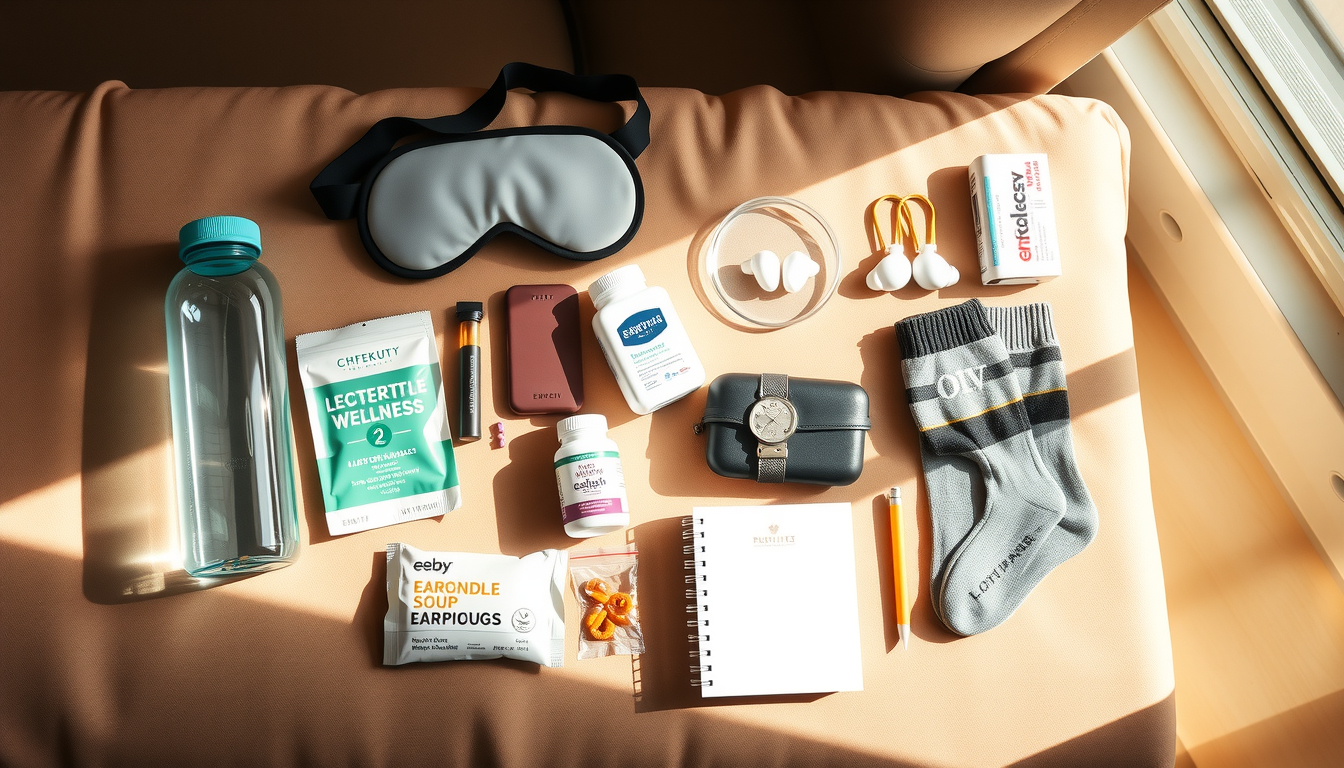
- A useful travel wellness kit focuses on the problems most likely to disrupt your trip: dehydration, poor sleep, minor illness or injury, medication needs, digestive discomfort, sore feet, and long periods of sitting.
- Keep essential medications, basic first aid, hydration supplies, sleep tools, chargers, and important health information in your carry-on so they remain accessible when luggage or schedules go wrong.
- Customize the kit for the destination and itinerary rather than packing every wellness product you own, with extra attention to climate, outdoor activities, flight length, and access to pharmacies or medical care.
Quick Take
- Build the kit around hydration, sleep, medication, first aid, mobility, and basic personal comfort rather than filling it with unnecessary supplements.
- Keep prescription medications, essential over-the-counter medicines, emergency contacts, insurance information, and a portable charger in your carry-on.
- Pack an eye mask, earplugs, blister protection, sunscreen, hand sanitizer, and destination-appropriate insect repellent when those items fit the trip.
- A reusable water bottle is useful almost everywhere, while electrolyte products are more relevant during heavy sweating, prolonged heat exposure, or other situations involving significant fluid loss.
- Adapt the contents for the destination by considering heat, cold, altitude, insects, outdoor activities, food and water conditions, and how easily you could replace an essential item.
- Check TSA, airline, and destination rules before packing medications, liquids, gels, sharp objects, batteries, or medical equipment.
Build a Travel Wellness Kit That Keeps Small Problems from Disrupting Your Trip
A travel wellness kit should solve problems, not create another overstuffed bag you have to carry through airports, train stations, hotels, and city streets.
Start with the situations most likely to interfere with your trip.
Dehydration during a hot sightseeing day, a blister after miles of walking, a headache during a long flight, forgotten medication, poor sleep, stomach discomfort, or a dead phone during a delay can become much more frustrating when the basic solution is sitting at home.
The most important items are usually the least glamorous.
Prescription medications, a few familiar over-the-counter medicines you already use appropriately, adhesive bandages, antiseptic wipes, blister protection, sunscreen, hand sanitizer, a reusable water bottle, and a portable charger cover a surprising number of common travel problems.
Sleep deserves its own small section of the kit because unfamiliar rooms can interfere with recovery even when everything else goes well.
An eye mask, comfortable earplugs, sleep-friendly headphones, and any compact item that helps you maintain your normal bedtime routine can make hotels, hostels, flights, and overnight trains easier to manage.
Long travel days can also be hard on your body.
Compression socks may be useful for some travelers during extended periods of sitting, while simple movement, regular walking breaks, comfortable shoes, blister pads, and a small massage ball can help when your itinerary involves hours of transit followed by heavy sightseeing.
Your destination should determine what gets added next.
Hot climates may justify stronger emphasis on sun protection and hydration, outdoor trips may require insect repellent and additional blister care, while remote destinations make extra medication and a more complete first-aid setup more valuable.
Keep the critical items in your carry-on rather than assuming your checked bag will arrive with you.
Medications, documents, insurance information, chargers, basic toiletries, and anything you would struggle to replace quickly should remain accessible during delays, cancellations, and unexpected overnight stays.
The best travel wellness kit is not the one with the most products.
It is the smallest kit that prepares you for the realistic problems your destination, transportation, activities, and personal needs are most likely to create.
Hydration Essentials That Keep You Balanced
Dehydration is one of the most common travel stressors.
Airplane cabins, long drives, and unfamiliar climates all sap moisture from your body.
Start with a collapsible, BPA-free water bottle.
It’s lightweight, space-saving, and refillable at airports or hotels.
Electrolyte packets are another smart addition.
They help replenish minerals lost through sweat or dry air and support energy levels.
Coconut water powder or hydration tablets are compact alternatives that dissolve easily in water.
Don’t forget lip balm and a travel-size facial mist—your skin needs hydration too.
These small comforts make a big difference in how refreshed you feel after a long day.
Smart Hydration Moves
- Pack a collapsible water bottle and refill it after security.
- Include 3–5 electrolyte packets for long flights or hikes.
- Use facial mist to revive your skin mid-transit.
- Choose lip balm with SPF for dual protection.
Immunity Boosters That Travel Well
Your immune system works overtime when you travel.
New environments, recycled air, and disrupted sleep all increase vulnerability.
Start with a daily multivitamin tailored to your needs—look for travel-friendly blister packs.
Vitamin C chewables or zinc lozenges are easy to take on the go and help ward off colds.
Probiotics support gut health, which is closely tied to immunity.
Choose shelf-stable capsules that don’t require refrigeration.
Hand sanitizer (minimum 60% alcohol) and disinfectant wipes are non-negotiable.
They protect you from surface germs in high-touch areas like tray tables, hotel remotes, and public restrooms.
Immunity on the Move
- Carry a week’s supply of multivitamins in a pill organizer.
- Use zinc lozenges at the first sign of a sore throat.
- Wipe down airplane seats, hotel switches, and rental car handles.
- Choose probiotics that are shelf-stable and travel-safe.
Sleep and Relaxation Tools for Restful Recovery
Sleep disruption is a major wellness challenge during travel.
Time zone shifts, unfamiliar beds, and noise can sabotage rest.
A contoured sleep mask blocks light without pressing on your eyes.
Pair it with silicone earplugs or noise-canceling earbuds to create a quiet cocoon.
Melatonin gummies or magnesium supplements can help regulate sleep cycles.
Lavender essential oil or roll-on blends offer calming aromatherapy.
If you’re sensitive to hotel pillows, pack a compact travel pillow with memory foam.
These tools help you wind down and recover—so you’re not dragging through your itinerary.
Restorative Sleep Kit
- Use a contoured sleep mask and earplugs for uninterrupted rest.
- Try melatonin gummies for jet lag recovery.
- Apply lavender oil to pulse points before bed.
- Pack a compact pillow if you’re picky about neck support.
Digestive Support for Smooth Travel Days
Travel often disrupts your digestive rhythm.
Irregular meals, unfamiliar foods, and long periods of sitting can lead to bloating or discomfort.
Digestive enzymes help your body break down food efficiently.
Pack a few capsules to take with heavier meals.
Fiber gummies or powder packets support regularity without bulk.
Ginger chews ease nausea and motion sickness—especially helpful on winding roads or turbulent flights.
Peppermint tea bags are lightweight and soothing after meals.
If you’re prone to heartburn, include antacids or acid reducers in your kit.
Gut-Friendly Travel Habits
- Take digestive enzymes with restaurant meals.
- Use ginger chews before flights or boat rides.
- Sip peppermint tea after dinner to settle your stomach.
- Keep fiber supplements on hand for longer trips.
Movement and Mobility Tools to Stay Energized
Long travel days often mean cramped seats and limited movement.
This affects circulation, posture, and energy levels.
Compression socks improve blood flow and reduce swelling—especially on flights over four hours.
A compact resistance band lets you stretch in your hotel room or airport lounge.
Mini massage balls or portable foam rollers help release tension in your back and legs.
If you’re walking a lot, include blister pads and anti-chafe balm.
These tools help you stay limber and pain-free, so you can explore without discomfort.
Mobility Must-Haves
- Wear compression socks on long flights or drives.
- Stretch with a resistance band during layovers.
- Use a massage ball to relieve tight calves or shoulders.
- Pack blister pads if you’re breaking in new shoes.
Mental Wellness Tools for Calm and Clarity
Travel can be mentally taxing—especially when plans change or environments feel chaotic.
A small journal helps you process thoughts and reflect on your experiences.
Mindfulness apps with offline access offer guided meditations during transit.
Pack a favorite book or download an audiobook to create mental space.
Blue-light blocking glasses reduce eye strain from screens.
If you’re prone to anxiety, consider calming supplements like L-theanine or adaptogens.
These tools help you stay grounded and emotionally balanced.
Mental Wellness Anchors
- Write in a travel journal to decompress.
- Use guided meditations during layovers or delays.
- Listen to audiobooks to shift focus and relax.
- Try L-theanine for calm without drowsiness.
First Aid and Emergency Basics
Even the best wellness kit needs a few essentials for unexpected situations.
Pack adhesive bandages, antiseptic wipes, and a small tube of antibiotic ointment.
Include pain relievers like ibuprofen or acetaminophen.
Allergy meds, motion sickness tablets, and cold remedies should be tailored to your needs.
If you take prescription medications, bring extra doses and store them in your carry-on.
A digital thermometer and small scissors round out your emergency kit.
Safety First Checklist
- Include basic first aid items in a waterproof pouch.
- Carry extra prescription meds in case of delays.
- Use a digital thermometer to monitor fevers.
- Keep pain relievers and allergy meds accessible.
FAQ – What Should Be in a Travel Wellness Kit Before You Leave Home?
What Are the Most Important Things to Pack in a Travel Wellness Kit?
Start with items that solve common travel problems rather than specialty products you may never use.
Prescription medications, basic first-aid supplies, pain relievers or other familiar over-the-counter medicines, a reusable water bottle, sunscreen, hand sanitizer, blister protection, an eye mask, earplugs, and a portable charger cover many everyday needs.
Add destination-specific items only after those basics are handled.
A compact kit that stays with you is more useful than an extensive collection buried in checked luggage.Which Wellness Items Belong in Your Carry-On Instead of Checked Luggage?
Keep anything essential to your health or ability to continue the trip in your carry-on.
That includes prescription medications, important medical information, travel-insurance details, emergency contacts, essential over-the-counter medicines, chargers, and a basic first-aid supply.
An eye mask, earplugs, and a few toiletries can also be valuable during long flights or unexpected overnight delays.
Checked luggage is better suited to larger backup quantities and nonessential items you could manage without temporarily.How Should You Pack Prescription Medications for Travel?
Bring enough medication for the trip and consider carrying additional doses when delays could leave you away longer than planned.
Keeping medicines in clearly labeled packaging can make identification easier, particularly during international travel.
Carry copies of important prescriptions or relevant medical information when replacing medication abroad could be difficult.
Destination rules can differ, so verify restrictions before traveling internationally with controlled medications, injectables, or unusual medical supplies.Do You Need Electrolyte Packets in a Travel Wellness Kit?
Not every traveler needs them for an ordinary sightseeing day.
Water is usually the foundation of everyday hydration, while electrolyte products can become more useful during prolonged heat exposure, heavy sweating, strenuous outdoor activities, or other circumstances involving substantial fluid loss.
Their convenience makes a few packets easy to carry without adding much weight.
Choose them because your itinerary creates a realistic need rather than assuming every flight or city walk requires electrolyte supplementation.What Should You Pack to Sleep Better While Traveling?
An eye mask and comfortable earplugs provide simple control over two of the most common hotel and hostel problems.
Sleep-friendly headphones, a compact travel pillow, or another familiar bedtime item may also help if you regularly use them at home.
Keeping a recognizable nighttime routine can be just as important as what you pack.
Supplements are not required for good travel sleep, and new sleep products should not be tested casually simply because you are away from home.What First-Aid Supplies Are Worth Carrying on a Trip?
A small kit should cover minor problems you can reasonably handle yourself.
Adhesive bandages, antiseptic wipes, blister pads, gauze, medical tape, and familiar pain or allergy medications can address many routine travel situations.
Motion-sickness medication can also be useful when you already know that boats, winding roads, or flights affect you.
The goal is basic preparedness, not trying to carry everything that would normally belong in a pharmacy or medical clinic.How Should You Adapt a Wellness Kit for Different Destinations?
Build the final version around the environment and activities you expect.
Hot or tropical destinations increase the importance of sunscreen, hydration, and insect protection, while hiking-heavy trips make blister care and basic first aid more valuable.
Remote travel may justify carrying additional medication or supplies that would be easy to replace in a major city.
Cold weather, altitude, long flights, cruises, and adventure activities can each create different packing priorities.What Helps with Sore Legs and Feet During Long Travel Days?
Comfortable footwear and regular movement provide the foundation.
Blister pads and anti-chafe products can help when sightseeing involves much more walking than you normally do at home.
A small massage ball or resistance band may also be convenient when you like stretching after long flights or busy days.
Travelers with specific circulation concerns or elevated blood-clot risk should get individualized medical guidance rather than relying solely on general packing advice.How Do TSA Rules Affect a Travel Wellness Kit?
Carry-on liquids and gels generally need to comply with TSA’s standard size restrictions unless they qualify for a specific exemption.
Medications and medically necessary liquids can follow different screening procedures, while batteries, sharp objects, and some medical devices have their own requirements.
Rules at your destination may also differ from U.S. security rules.
Check current security, airline, and destination requirements before departure when an item is essential and difficult to replace.How Do You Keep a Travel Wellness Kit from Becoming Too Big?
Pack for realistic problems rather than every hypothetical emergency.
Start with medications, first aid, hydration, sleep, personal comfort, and essential technology, then add only what your destination or activities genuinely require.
Use small pouches to separate categories so you can reach what you need without emptying your entire bag.
A good wellness kit earns its space by being useful during the trip, not by containing the longest possible checklist.