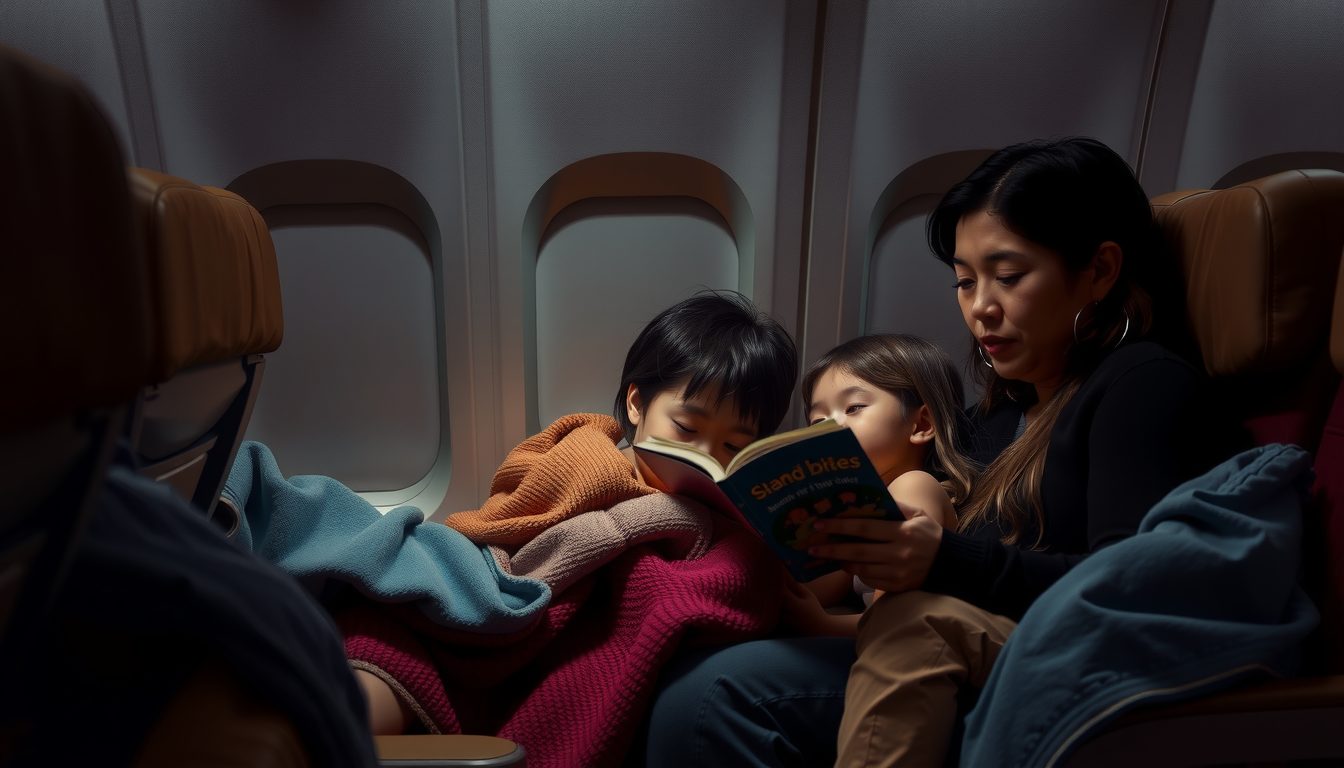
A family red-eye can feel like a brilliant idea at 3 p.m.
Then bedtime gets weird, someone drops a stuffed animal, and you start doing mental math about whether this was a mistake.
That is the real truth of overnight flights with kids.
They can save you a vacation day, reduce hotel nights, and get you to the destination early.
They can also magnify every tiny discomfort because everyone is tired at the same time.
So the goal is not perfection, and it is not pretending your kids will sleep like they do at home.
The goal is a smooth, predictable plan that lowers friction before it turns into drama.
When you build that plan, red-eyes stop feeling like a gamble and start feeling like a tool.
Why Red-Eyes Can Work For Families And When They Do Not

Families choose red-eyes because the schedule looks friendly on paper.
You travel while kids “should” be sleeping.
You arrive early and use the day instead of losing it to transit.
You might even save money because red-eyes can be priced lower than peak daytime flights.
All of that can be true, and it can still be a tough night.
What makes the difference is whether you can control the first two hours on the plane.
If the first two hours go smoothly, the rest of the night usually follows.
If the first two hours are chaotic, the whole cabin can feel like a stage.
The Family Advantage
Red-eyes can protect your daytime schedule, which matters when you have limited vacation days.
They can also reduce how many meals you need to buy on travel day.
In some cases, they reduce a hotel night, which is one of the biggest family trip costs.
Early arrivals can also create a calm first day if you plan for early check-in uncertainty.
Kids often do well when a day begins with movement and daylight after landing.
That daylight can help reset everyone’s rhythm faster than staying indoors.
When red-eyes work, they create a feeling of “we started vacation early.”
That feeling is exactly what families want.
The Family Risk
Red-eyes become painful when your kids cannot settle and you cannot create calm.
Noise, light, hunger, and temperature swings stack up quickly overnight.
Kids also pick up on parental stress faster than most adults realize.
If you are tense and rushing, they feel it as danger even when nothing is wrong.
That is why your plan needs to reduce decision-making, not add more steps.
A complicated plan collapses when you are tired.
A simple plan survives.
Families win with repeatable routines, not with heroic improvisation.
Family Section Notes
The First Two Hours Matter
A calm takeoff-to-sleep window often decides whether the night stays smooth.
Simple Plans Survive
A repeatable routine beats a complicated checklist when everyone is tired.
Savings Need Usable Energy
A cheap red-eye is only a win if you can enjoy the arrival day.
Calm Parents Change The Cabin
Your tone and pace are part of the travel environment for your kids.
Choose The Right Red-Eye Schedule For Kids Who Actually Sleep

A family red-eye is not only about cost.
It is about timing that matches your kids’ natural sleep window.
A flight that departs too early can trap you in a long “awake but bored” phase.
A flight that departs too late can create overtired chaos right as you need calm.
So you aim for a departure that allows a normal-ish bedtime routine.
You also aim for an arrival time that gives you buffer before a busy day begins.
A red-eye is kinder when you can land and move slowly for an hour.
Slow mornings are how families avoid meltdowns after short sleep.
East To West Versus West To East With Kids
Direction matters even more with children, because they have less patience for clock confusion.
West-to-east red-eyes compress sleep windows because you lose time zones.
That can be tough for kids who need long, uninterrupted sleep.
The upside is early arrival, which can help you start the day and get sunlight quickly.
East-to-west red-eyes can feel longer and sometimes allow more sleep time in the air.
The risk is landing late local time and triggering a second wind in your kids.
A second wind can delay hotel sleep and make day two harder than it should be.
Direction awareness helps you plan expectations realistically instead of feeling surprised.
Booking Tools That Reduce Stress
When you compare flights, look beyond price and look at what the schedule creates.
Omio can help you compare timing options quickly across routes and connections.
Kiwi.com can surface creative routings, but with kids, complexity can add risk.
CheapOair and AviaSales can help you spot fare differences, yet always weigh that against layover chaos.
If you can avoid tight connections overnight, do it.
A missed connection with kids is not only inconvenient, it is emotionally expensive.
You are buying a calmer night when you choose a simpler itinerary.
That calm is worth more than saving a small amount.
Timing Takeaways
Match The Bedtime Window
A schedule that supports a routine reduces overtired chaos dramatically.
Direction Changes The Night
West-to-east is tighter and earlier, east-to-west can land late and trigger second winds.
Buffers Prevent Meltdowns
Arrival buffers protect your morning mood and keep everyone calmer.
Simplicity Is A Gift
Fewer connections usually means fewer crisis moments overnight.
Pack A Kid Sleep Kit That Is Small But Powerful
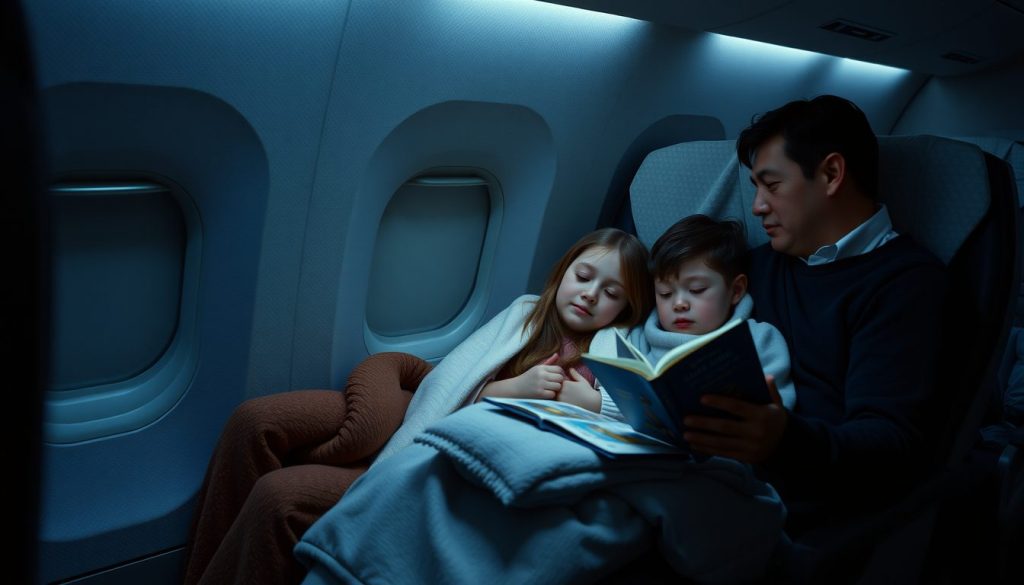
Family red-eyes fail when essentials are buried.
That is not a parenting flaw.
That is just how tired brains work.
Your sleep kit should be organized so you can reach items quietly without turning on lights.
It should be small enough that you will actually bring it.
And it should focus on the three biggest sleep disruptors.
Light, noise, and temperature.
When those are controlled, kids sleep better even in an unfamiliar environment.
Light Control
Kids wake up when light flashes, even if they do not fully open their eyes.
A soft eye mask can help older kids who will tolerate it.
For younger kids, a hoodie or blanket hood can create gentle darkness.
Avoid bright screens in the wind-down window because they keep kids alert.
Dim the tablet brightness early, and then shut it down before you try for sleep.
If your child needs a nightlight at home, a very low screen glow can sometimes substitute briefly.
But the goal is darkness cues, not entertainment.
Darkness is a sleep signal their brains understand.
Noise Control
Cabin noise is steady, but noise spikes are the real enemy.
Foam earplugs can work for teens who can use them safely.
For younger children, comfortable over-ear headphones can reduce sudden spikes.
If you use audio, choose steady, calming sound instead of exciting stories.
Exciting content keeps the mind active even when the body is tired.
A small white noise track can be surprisingly effective if your child likes it.
The goal is predictable sound that prevents abrupt wake-ups.
Predictable sound supports deeper rest.
Temperature Control
Cabins often get cold overnight, and kids wake up when they get chilled.
Layering works better than one thick coat that becomes uncomfortable.
A light base layer plus a warm top layer is usually ideal.
Bring socks even if your kid hates socks at home, because cold feet wake people up.
A compact blanket can help, but do not rely on airline blankets being available.
A small comfort item like a favorite stuffed animal also helps for emotional safety.
Emotional safety is sleep support for kids.
When they feel safe, they settle faster.
Sleep Kit Notes
Essentials Must Be Reachable
Quiet access prevents you from waking everyone while you search.
Control Light And Spikes
Darkness and fewer noise spikes usually improve sleep more than any toy.
Layering Beats Guessing
Warmth stability prevents midnight wake-ups caused by chills.
Comfort Is A Signal
A familiar item can help kids settle in a strange environment quickly.
Entertainment That Calms Instead Of Hypes
Entertainment is not the enemy.
The wrong entertainment is.
On a red-eye, you want content that helps kids glide into sleep, not content that ramps them up.
The best approach is building an entertainment ladder.
Start with engaging, then step down into calmer options as the cabin settles.
That ladder gives you a smooth transition without sudden battles.
It also helps you avoid the “one more episode” spiral that keeps everyone awake.
Your goal is to make sleep the natural next step, not a punishment.
The Entertainment Ladder
Early in the flight, let kids watch something familiar and comforting.
Familiar content reduces stimulation because they already know what happens.
Then shift to calmer options like audiobooks, gentle music, or quiet games.
When you get closer to sleep time, switch to something that does not require watching.
Watching keeps eyes open, and eyes open keep brains awake.
A soft audio story with eyes closed can work well for many kids.
For toddlers, simple picture books you read quietly can be more soothing than any screen.
The ladder is not strict, it is a glide path.
Low-Mess Quiet Activities
Stickers, small coloring books, and simple puzzles work well if they are easy to manage.
Avoid anything with many tiny pieces that can fall and create stress.
Stress is the enemy of sleep, and it is contagious in a family row.
Bring one or two “special” items that only appear on travel nights.
Novelty helps, but keep the novelty calm.
A small magnetic game can be perfect if it stays contained.
A compact snack also counts as an activity when kids are bored.
Boredom is often the start of a meltdown, so plan for it.
Planning Tools That Save Energy
If your first day includes sightseeing, reduce decision-making ahead of time.
GetYourGuide and Viator can be helpful for booking family-friendly experiences with clear meeting points.
Klook can also be useful in some destinations when you want simple tickets.
Go City passes can help families reduce ticket lines and prevent constant purchasing decisions.
Big Bus Tours can be a relaxed option for tired arrival days because you can sit and still see a lot.
These tools are not only about attractions.
They protect your energy so you do not argue about what to do next.
Less arguing means calmer kids and calmer parents.
Entertainment Notes
Familiar Content Calms
Known shows often soothe better than exciting new stories.
Step Down Gradually
An entertainment ladder avoids sudden battles and supports smoother sleep onset.
Low-Mess Wins
Contained activities prevent stress and keep your space manageable.
Reduce Day-One Decisions
Pre-booking options can protect energy and prevent arguments after landing.
Managing Meltdowns Without Turning The Row Into A Crisis
Meltdowns happen because kids are tired, uncomfortable, or overwhelmed.
They are not a sign you failed.
They are a sign your kid’s nervous system hit a limit.
The best meltdown strategy is noticing the early signs and adjusting quickly.
Because once a meltdown is fully underway, every fix feels harder.
So your goal is prevention, plus a simple response plan when prevention fails.
A simple plan keeps you calm.
And when you stay calm, kids recover faster.
Early Signs To Watch
Kids often show signs before they explode.
They get fidgety, clingy, or unusually silly.
They may start negotiating aggressively or refusing small requests.
Those are signs of tiredness and overstimulation.
When you see them, lower stimulation immediately.
Dim screens, switch to quieter content, and offer water.
If hunger is a trigger for your child, offer a planned snack before desperation hits.
Small early moves can prevent big drama later.
The Calm Reset
If a meltdown starts, your tone matters more than your words.
Speak lower and slower than you think you need to.
Name the feeling in a simple way, then offer one clear option.
Too many options overwhelm tired kids.
If possible, shift posture.
Standing for a minute or walking the aisle briefly can help reset energy.
A bathroom visit can also help if your child feels trapped or uncomfortable.
Then return to the seat and restart the ladder toward sleep.
Parent Energy Matters
Kids scan you constantly, especially in unfamiliar environments.
If you look panicked, they believe something is wrong.
If you look steady, they believe the situation is manageable.
This is not about being perfect.
It is about being predictable.
Predictable parents create predictable kids.
Keep your own basic needs protected too, because hunger and dehydration make you less patient.
A small snack and water for you is not selfish.
It is part of the plan.
Meltdown Notes
Prevention Is Cheaper
Early adjustments prevent meltdowns more effectively than late interventions.
Calm Voice Resets Faster
Lower, slower speech often helps kids recover more quickly.
One Option Beats Many
Simple choices reduce overwhelm when kids are tired.
Your Nervous System Leads
When you stay steady, kids settle sooner.
Arrival Day With Kids That Does Not Collapse
The morning after a family red-eye can be amazing or miserable.
It depends on whether you planned for early arrival reality.
Rooms are not always ready.
Kids might be hungry at odd times.
Parents might be running on short sleep too.
So your arrival day needs structure that feels gentle, not packed.
One anchor activity, a bag plan, and a calm meal plan.
That is enough.
And it keeps the day from turning into a series of small crises.
Early Check-In Strategy
If early check-in is critical for your family, consider paying for certainty.
Booking the night before can be expensive, but it can also save the day.
If you do not book the extra night, ask the hotel about luggage storage in advance.
Tripadvisor reviews can reveal whether a property is friendly about early arrivals.
Booking.com, Agoda, and Trip.com can help you compare family-friendly properties by logistics and neighborhood.
If the hotel cannot help, Radical Storage can be a backup to drop bags and move freely.
Mobility is how you avoid bored kids and frustrated parents.
Once bags disappear, the city feels lighter immediately.
A Gentle Anchor
Choose a morning anchor that includes movement and daylight.
A park, a waterfront, a market, or a quiet neighborhood loop works well.
If you want a structured option, a Big Bus Tours ride can be a lifesaver because kids can sit and still see things.
Go City passes can also reduce ticket lines later when kids are impatient.
If you want shorter experiences, GetYourGuide and Viator can offer family-friendly options with clear meeting points.
Keep the first day light, because tired kids crash hard when pushed too far.
Light plans protect bedtime, and bedtime protects day two.
Day two is when the trip starts feeling easy again.
Connectivity And Calm
Connectivity matters because you will need maps and plans quickly.
An eSIM can keep data stable without roaming stress on international trips.
Airalo is a common choice for quick activation in many destinations.
Yesim and Drimsim can be useful alternatives depending on where you are going.
Sally Sim gives you another option to compare.
If you use public Wi-Fi, securing it can reduce risk and stress.
NordVPN can help protect connections on networks you do not control.
Less digital stress means more patience, and patience is the true travel currency with kids.
Arrival Day Notes
Pay For Certainty When Needed
Sometimes an extra hotel night is worth it to protect the first day.
Bags Should Disappear
Storage options keep you mobile and reduce kid boredom quickly.
Keep Day One Light
A gentle plan protects bedtime and prevents a day-two crash.
Data Reduces Stress
Reliable connectivity prevents friction when you need to move quickly.
Protect Your Trip When Overnight Travel Gets Disrupted
Families feel disruptions more intensely because the margin for error is smaller.
A delay changes bedtime.
A cancellation changes sleep entirely.
A missed connection can turn a long night into a long day.
So it helps to protect the trip investment and reduce the chaos cost.
This is not about assuming the worst.
It is about choosing calm options when something does go wrong.
When you have protection, you make decisions faster and with less panic.
Less panic keeps kids calmer too.
Compensation Support
Some disruptions may qualify for compensation pathways depending on the situation.
AirHelp and Compensair can help you understand and pursue eligible support.
This can be helpful when delays cause missed connections or major schedule changes.
Families often have extra costs in those moments, like meals and unexpected transportation.
Even knowing you have a pathway can lower stress.
Lower stress matters because stress keeps everyone awake and reactive.
If you can reduce stress, you recover faster after you finally arrive.
That recovery is what saves the rest of the trip.
Insurance Fit For Families
Insurance can be useful when your costs are prepaid and your timing is tight.
World Nomads can fit families who want broad travel protections.
VisitorsCoverage can be useful when you want to compare plans efficiently.
Ekta and Insubuy are also worth comparing for different coverage preferences and trip styles.
The practical goal is protecting your money when plans change beyond your control.
Families often book more in advance, and that increases the value of protection.
This is especially true for big trips that are hard to reschedule.
Protecting the investment keeps the trip feeling light.
Disruption Notes
Families Need Margin
Small delays can create big consequences when kids are tired.
Tools Can Reduce Losses
Compensation guidance can help when disruptions create extra costs.
Coverage Can Protect The Budget
Insurance can prevent a cancellation from becoming a financial disaster.
Calm Decisions Help Kids
Less panic in adults often means less panic in children.
Make Overnight Travel Feel Like A Family Win
A family red-eye can be a smart way to travel when you plan for what the cabin actually is.
You choose a schedule that supports sleep.
You pack a small sleep kit that controls light, noise, and temperature.
You use entertainment as a ladder that steps down toward rest.
You manage meltdowns by lowering stimulation early and staying steady when things get hard.
Then you land with a simple arrival plan that keeps the first day gentle and enjoyable.
That is the real secret.
Red-eyes with kids work when you stop hoping and start designing.
And when you design well, the morning feels like the start of vacation, not the end of your patience.
FAQ – Red-Eye Flight Strategies to Sleep Better and Land Refreshed
What two pouches should I pack for a red-eye and why?
A sleep pouch holds the items you need from boarding through lights-out to support faster sleep onset.
A landing pouch stores quick-refresh essentials you will use immediately after waking to feel present on arrival.
Separating pouches streamlines access and reduces tired-brain fumbling during the flight.How should I layer clothing to stay comfortable across a red-eye flight?
Start with a breathable base layer, add a removable mid-layer, and bring an outer layer that doubles as a blanket to manage cabin temperature swings.
Choose fabrics that wick moisture and avoid trapping heat so you can regulate warmth without overheating.
Layering stabilizes body temperature and supports longer, less fragmented sleep.Which non-medication sleep aids work best on overnight flights?
Use an eye mask to create darkness cues that encourage sleep onset.
Use foam earplugs or comfortable over-ear headphones to reduce noise spikes and protect sleep continuity.
Use a small neck support or rolled sweater to stabilize posture and reduce micro-wakeups.What tech essentials should I keep accessible to avoid red-eye friction?
Carry a charged power bank and the correct charging cable plus a short backup cable to protect device uptime.
Download calming audio, white-noise tracks, or offline maps before boarding to prevent connectivity stress.
Keep these items in an outer pocket so you can top off devices during boarding and preserve arrival confidence.How can I manage hydration and snacks to feel better on arrival?
Bring a refillable water bottle and sip steadily before your sleep window to reduce dryness and headaches.
Pack two to three simple snacks like nuts or a protein bar to prevent late-night hunger and mood dips.
Avoid salty or high-sugar snacks that increase thirst or cause energy crashes.Which toiletries make the biggest difference for a quick refresh after a red-eye?
A toothbrush and small toothpaste used before landing dramatically improve how you feel on arrival.
Face wipes, a small moisturizer, and lip balm reduce dryness and restore a fresher appearance.
Store essential medications in your personal item so you can access them without checking bags.What seat and posture strategies help me actually rest on a red-eye?
Use a neck support and a small lumbar roll like a folded sweater to stabilize posture and reduce micro-wakeups.
Choose a window seat if you prefer to lean and avoid aisle interruptions when possible.
Rely on simple mechanical supports rather than expensive gadgets to maximize real sleep benefits.How do I prepare tech and connectivity for international arrivals?
Consider an eSIM or preloaded local data plan to avoid roaming delays and SIM shop hassles.
Save offline directions and confirmations so you can navigate immediately after landing.
Use a VPN on public Wi-Fi to protect sensitive confirmations and reduce arrival stress.What should I pack if I’m traveling during hurricane season or expect weather disruptions?
Include a compact rain layer and a lightweight waterproof cover for your carry-on to protect essentials.
Keep printed or offline copies of critical reservations and emergency contacts in an easily reachable spot.
Pack an extra small snack and water to support short delays and maintain decision-making capacity.How do I apply the 90-second rule so I’m not digging in the dark?
Place true essentials in outer pockets or the top layer of your bag so you can reach them within ninety seconds.
Practice packing for “tired you” rather than “organized-at-home you” to prevent panic and preserve dignity on arrival.
Treat the 90-second rule as a habit that reduces friction and keeps you calm during overnight travel.